
Optimizing Your Retail Business with Cutting-Edge Software
Essential Software Solutions for Modern Businesses


In the dynamic world of retail, staying ahead of the curve is not just an option but a necessity. With evolving customer expectations and fierce competition, leveraging the right software can transform your retail business, enhancing efficiency, customer satisfaction, and ultimately, profitability. Let’s delve into the crucial software solutions every retail business should consider.
1. Point of Sale (POS) Systems
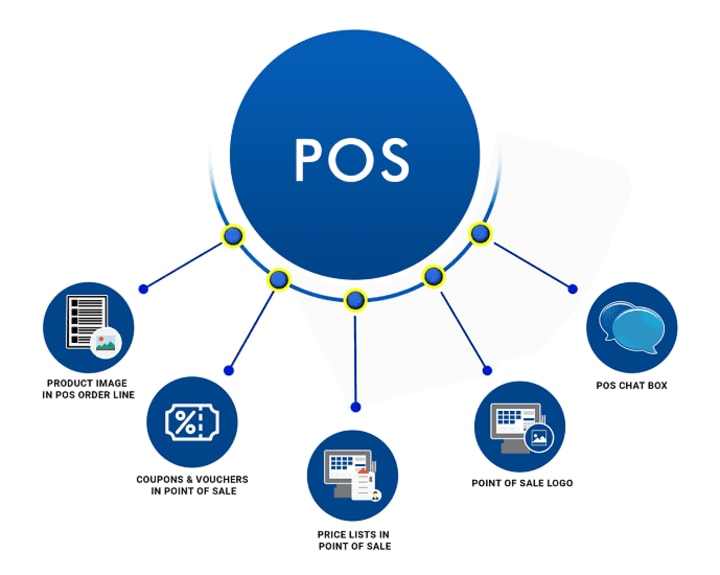
A robust POS system is the heart of any retail operation. Modern POS systems do more than just process sales transactions; they integrate with inventory management, customer relationship management (CRM), and accounting software, providing a comprehensive overview of your business.
Key Features to Look For:
- Inventory Management: Automatically update stock levels with each sale.
- Customer Management: Track purchase history and preferences to personalize marketing.
- Sales Reporting: Generate real-time reports to understand sales trends and make informed decisions.
- Mobile Capabilities: Allow sales transactions on the go, enhancing customer service.
2. Inventory Management Software

Efficient inventory management can make or break a retail business. Inventory management software helps in tracking stock levels, managing orders, and predicting future inventory needs.
Benefits:
- Real-Time Tracking: Know exactly what’s in stock at any given moment.
- Automated Reordering: Set thresholds for automatic reordering of popular items.
- Analytics: Analyze inventory turnover rates to optimize stock levels.
- Integration: Seamlessly integrate with your POS system for accurate stock tracking.
3. Customer Relationship Management (CRM) Software
Building and maintaining customer relationships is critical in the retail industry. CRM software helps you understand your customers better, offering insights that can enhance customer satisfaction and loyalty.
Features to Consider:
- Customer Data Management: Centralize customer information for easy access.
- Marketing Automation: Automate email campaigns, SMS marketing, and social media outreach.
- Loyalty Programs: Create and manage loyalty programs to reward repeat customers.
- Customer Support: Track and manage customer queries and complaints efficiently.
4. E-commerce Platforms

In today’s digital age, having an online presence is vital. E-commerce platforms enable you to set up and manage your online store, reaching a broader audience and increasing sales opportunities.
Top Platforms:
- Shopify: User-friendly, with a range of customizable templates.
- Magento: Highly flexible, ideal for larger businesses.
- WooCommerce: Integrates seamlessly with WordPress sites.
- BigCommerce: Scalable solution with robust SEO features.
5. Accounting Software

Keeping your finances in order is crucial for any business. Accounting software helps you manage your finances, track expenses, and ensure compliance with tax regulations.
Must-Have Features:
- Expense Tracking: Monitor and categorize business expenses.
- Invoicing: Create and send invoices to customers.
- Financial Reporting: Generate detailed financial reports for better decision-making.
- Integration: Sync with your POS and inventory systems for accurate financial tracking.
6. Employee Management Software
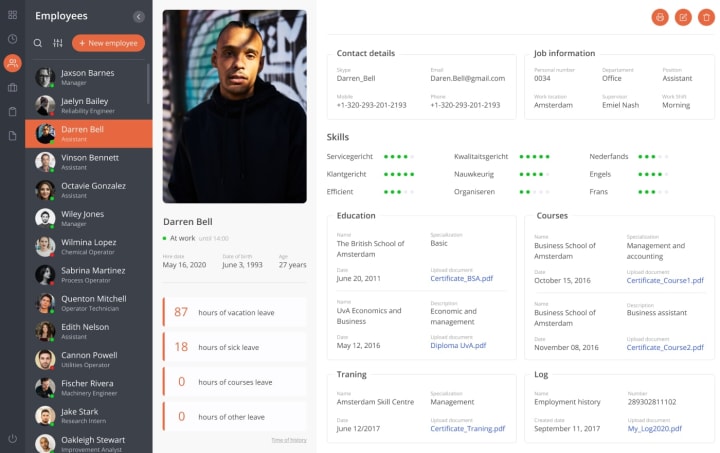
Managing staff efficiently is essential for smooth retail operations. Employee management software helps in scheduling, time tracking, and payroll management.
Advantages:
- Scheduling: Create and manage employee schedules easily.
- Time Tracking: Monitor working hours and attendance.
- Payroll: Automate payroll processing and tax calculations.
- Performance Management: Track and evaluate employee performance.
7. Marketing Automation Software

Effective marketing can drive sales and build brand loyalty. Marketing automation software helps streamline your marketing efforts, ensuring you reach the right customers at the right time.
Key Capabilities:
- Campaign Management: Plan and execute marketing campaigns across multiple channels.
- Analytics: Measure campaign performance and ROI.
- Customer Segmentation: Target specific customer groups with tailored messages.
- Social Media Integration: Manage and track social media campaigns.
8. Business Intelligence (BI) Tools
Informed decision-making is crucial for business growth. BI tools provide valuable insights through data analysis, helping you make strategic decisions.
Features:
- Data Visualization: Create interactive dashboards and visual reports.
- Predictive Analytics: Use data to predict future trends and customer behavior.
- Integration: Connect with various data sources for comprehensive analysis.
- Real-Time Reporting: Get up-to-date information to respond quickly to changes.
Summary
Integrating the right software solutions into your retail business can significantly enhance efficiency, customer satisfaction, and profitability. From POS systems and inventory management to CRM and marketing automation, each tool plays a vital role in streamlining operations and driving growth. Embrace technology to stay ahead in the competitive retail landscape and ensure long-term success.
About the Creator
Swarnab Paul
I am a blogger from webgiginfo company.
Keep reading
More stories from Swarnab Paul and writers in Journal and other communities.
Best Restaurant Management Software for Small and Medium-Sized Businesses in Australia
Several aspects come into play when it comes to the effective management of a restaurant including ordering, scheduling, keeping, cleaning, and attending to customers and employees, among others. In Australia, various SMBs in this industry can greatly benefit from using the appropriate restaurant management software to increase efficiency and, therefore, revenue. The post aims to outline some of the effective restaurant management software that are currently available in Australia with an emphasis on MetricsERP Software.
By Swarnab Paul2 years ago in Journal




Comments
There are no comments for this story
Be the first to respond and start the conversation.