
Optimizing Spatial Synergy Between Amusement Attractions and Dining Zones
Enhancing Guest Experience and Operational Flow Through Strategic Integration of Attractions and Dining Areas
The interplay between amusement rides and food areas plays a pivotal role in the commercial and experiential dynamics of amusement parks. Strategic placement and design alignment between these zones can significantly influence visitor satisfaction, park circulation efficiency, and overall revenue generation. Understanding the spatial and psychological linkages that govern this relationship is crucial in enhancing the operational layout of leisure environments.
The Role of Spatial Configuration
Spatial layout governs visitor flow, emotional engagement, and time spent within distinct zones of a park. The juxtaposition of a carousel ride near a food court or snack stand, for instance, is rarely arbitrary. Instead, such positioning is based on years of behavioral research and foot traffic analytics.
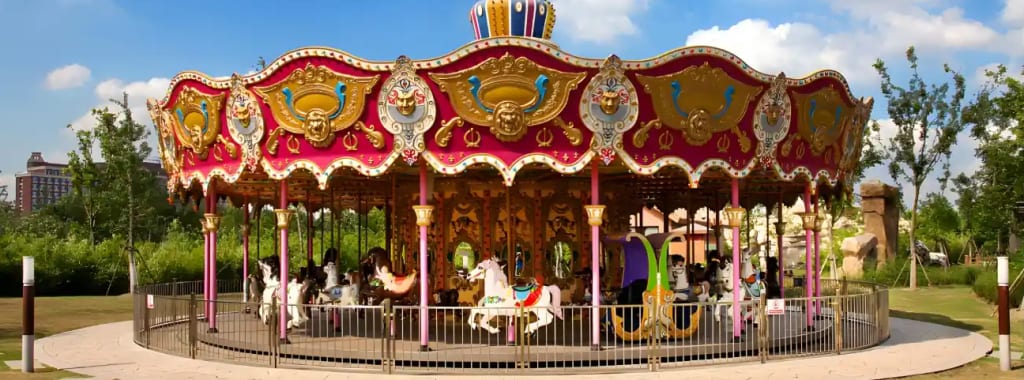
Carousel ride, often associated with a slower tempo and family appeal, is typically positioned near transitional areas. These are buffer zones between high-thrill attractions and calmer spaces like dining precincts. Placing food outlets adjacent to these gentler rides encourages dwell time, particularly for families with young children or older guests who may avoid high-adrenaline experiences.
In contrast, high-profile attractions like a large ferris wheel, visible from significant distances, serve as landmark nodes that anchor major pedestrian axes. Positioning food zones near these vertical attractions not only capitalizes on the sustained visibility but also leverages the natural congregating effect caused by the queueing systems and viewing platforms.
Behavioral Linkages Between Rides and Food Zones
Human behavior in leisure contexts tends to follow predictable patterns shaped by energy expenditure, waiting time, and emotional peaks. Intense rides induce physiological arousal—an increase in adrenaline and dopamine—which often leads to hunger or a desire for refreshments afterward. Conversely, food consumption may precede calmer activities, such as a scenic ride on a large ferris wheel.
This psychological ebb and flow can be tactically leveraged by positioning food courts downstream from thrill rides. The carousel ride, often requiring minimal queuing, works effectively as a passive engagement point while family members procure meals. Children, for example, may continue to engage with this ride under minimal supervision while adults line up for food.
Acoustic and Olfactory Synergy
Sound and scent are powerful sensory stimuli that impact human decision-making subconsciously. The harmonic music of a carousel ride blends effortlessly with the ambient clatter of dining spaces. This auditory backdrop contributes to a consistent experiential tone, avoiding dissonance that may occur when jarring ride sounds interrupt meal zones.
Similarly, proximity to food stalls disseminates appetizing aromas that enhance the appeal of adjacent attractions. Placing food kiosks within scent radius of major rides increases the probability of impulse food purchases. Fried foods, sugary treats, and roasted snacks, when positioned near a large ferris wheel queue, create a multisensory zone that elevates anticipation and satisfaction simultaneously.
Architectural Integration and Visibility Lines
Modern park design increasingly leans on sightline optimization. Visitors navigate large parks largely based on visible landmarks. The silhouette of a large ferris wheel can draw foot traffic across great distances, functioning as both an entertainment anchor and a directional guidepost. When dining areas are placed strategically within these sightlines, they benefit from secondary visibility.
Architectural integration also entails matching themes and materials. A vintage-themed food court harmonizes visually with the aesthetics of a carousel ride. These visual congruencies reduce cognitive dissonance and create a seamless environmental narrative, enhancing the immersive quality of the park’s layout.
Temporal Coordination and Operational Efficiency
The operational rhythms of rides and food services often follow different peaks. Rides see early and late surges, while food zones peak during standard meal times. Co-locating these facilities allows better dispersion of park guests throughout the day, mitigating congestion. For instance, guests may ride the large ferris wheel before lunch, dine in the adjacent zone, and continue to explore other attractions, creating a natural flow loop that reduces bottlenecks.
Staffing logistics also benefit. When food service zones and ride operations are physically proximate, staffing flexibility increases. Personnel can be cross-trained to handle variable loads, especially in seasonal parks where crowd density fluctuates unpredictably.
Safety and Supervision Considerations
Parental oversight is a critical design concern in family-focused parks. By clustering the carousel ride and casual dining options together, designers create a semi-enclosed space that allows children to remain in visual range while adults rest or eat. This configuration increases perceived safety and encourages longer stays.
For larger-scale attractions like the large ferris wheel, safety considerations dictate broader clear zones. However, peripherally positioning food courts within observational distance can create passive surveillance benefits while ensuring compliance with spatial safety regulations.
Economic Implications
Consumer spending is tightly correlated with convenience and experience value. When food areas are easily accessible from popular rides, transaction volumes increase. The proximity encourages spontaneous purchases—cold beverages after a queue, snacks before a slow-moving panoramic ride.
Moreover, pairing high-visibility attractions with high-margin food offerings can elevate per capita revenue. The emotional apex of reaching the top of a large ferris wheel aligns well with premium offerings—artisan ice cream, craft beverages, or branded merchandise sold at nearby stands.
Environmental and Maintenance Considerations
Maintenance logistics also inform the linkage between rides and food areas. Shared utility lines, waste management routes, and storage back-of-house facilities reduce redundancy. When planned holistically, co-located zones require fewer resources, reduce maintenance frequency, and enable quicker response times during operational disruptions.
Sustainability considerations such as food waste management and noise pollution can be addressed more cohesively in zones where food and rides are clustered intelligently, rather than dispersed inefficiently across the park.
Conclusion
The relationship between amusement rides and food areas extends far beyond mere convenience. It is a finely tuned interplay of spatial design, psychological insight, sensory engagement, and operational pragmatism. Whether it’s the nostalgic appeal of a carousel ride or the awe-inspiring vista from a large ferris wheel, pairing these experiences with accessible, themed, and strategically placed food options creates a more coherent, enjoyable, and profitable park environment.
The success of this linkage lies in anticipating guest needs before they arise, guiding them intuitively through an environment that feels seamless, satisfying, and purpose-built. When done effectively, it transforms fragmented park zones into a unified experiential tapestry.
About the Creator
Beston Amusement Rides
As a leading amusement facility manufacturer, we provide safe and interesting amusement equipment to customers around the world, including roller coasters, Ferris wheels, pirate ships and so on.
Website:https://bestonamusementrides.com/
Keep reading
More stories from Beston Amusement Rides and writers in Journal and other communities.
Ranking of Popular Rides for Corporate Team Building
Corporate team-building activities have evolved over the years, shifting from traditional workshops and trust exercises to more dynamic and engaging experiences. Among the many options available today, theme parks and adventure parks stand out as prime locations for fostering teamwork, communication, and problem-solving skills. The thrill of physical challenges combined with strategic thinking makes amusement rides an ideal setting for team-building activities. In this article, we explore the top rides that are frequently utilized for corporate team-building events, examining their potential to enhance team cohesion and promote collaboration.
By Beston Amusement Rides9 months ago in Journal
Silken Chains
Silhouettes of the female form were given flesh and bone. Silken skin glistened under the spotlight. Dry ice rose around our Icons as they danced atop their podiums in the Square. Heralded for their beauty, their movements were slight, powerful, and sensual.
By Paul Stewart5 days ago in Fiction



Comments
There are no comments for this story
Be the first to respond and start the conversation.