
New method proposed for diagnosing traumatic brain injuries and improving treatment
An international team of scientists has published a clinical tool in The Lancet that integrates neurological analysis and biological markers, among other factors. Its application seeks to personalize the approach to these cases.


Traumatic brain injuries (TBIs) occur when a blow, jolt, or impact to the head disrupts normal brain function. They can result from falls, traffic accidents, assaults, or sports activities, and their severity ranges from temporary symptoms to permanent damage.
In this regard, Dr. Kristen Dams-O'Connor, director of the Brain Injury Research Center at Mount Sinai Hospital and co-senior author of a study published in The Lancet Neurology, warned in a statement that a "comprehensive review of how we classify and conceptualize the severity of brain trauma is sorely needed." The article presents an innovative diagnostic approach supported by an international coalition of more than 100 people, including specialists, researchers, and patients from 14 countries, under the leadership of the U.S. National Institutes of Health (NIH).
For more than five decades, the primary tool for assessing these cases has been the Glasgow Coma Scale (GCS), which classifies patients as mild, moderate, or severe based on their level of consciousness and certain observable clinical symptoms. This categorization, although useful in emergency situations, has proven insufficient to reflect the complexity of brain damage, which can affect both access to treatment and subsequent clinical decisions, according to these experts.
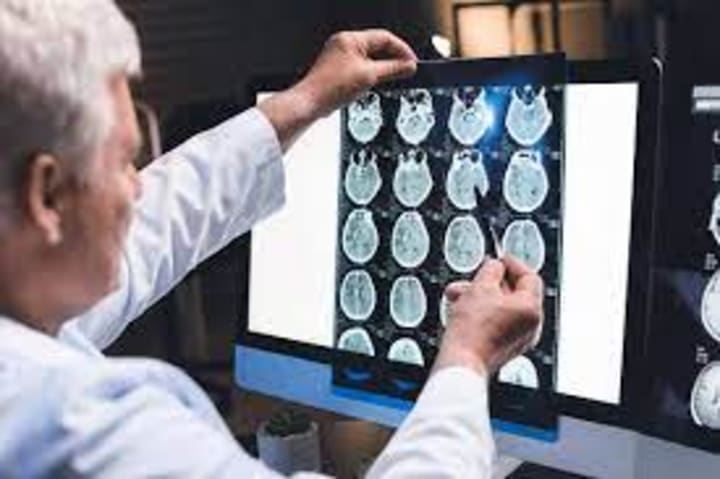
The Glasgow Coma Scale was introduced in the 1970s to establish a uniform criterion for emergency care. It assesses a patient's visual, verbal, and motor response, assigning a score from 3 to 15. However, its use as an absolute criterion has been criticized for not considering the true magnitude of the injury or variables that influence prognosis.
Dams-O'Connor noted that for decades, "we have commonly used terms such as 'mild,' 'moderate,' and 'severe' to classify it. These terms are inadequate for reporting acute care needs or predicting long-term outcomes, and they often do not accurately reflect the structural or physiological injuries sustained."
A patient with a "mild" injury may experience persistent symptoms or significant sequelae, while another with an initially "severe" injury may recover more quickly. The broad categorization often prevented care tailored to the specifics of each clinical situation.
A model that incorporates clinical, biological, and contextual data
The new diagnostic framework, called CBI-M (Brain Injury Multidimensional Classification), proposes an assessment based on four complementary dimensions: clinical features, biomarkers, imaging, and modifiers. Although still in the testing phase, it is being progressively implemented in trauma centers across the country, with the goal of validating its usefulness before widespread adoption.
One of the key changes is the differentiated reading of the GCS components. Instead of using a total score, the independent evolution of ocular, verbal, and motor responses is considered. “Federal investments in large-scale longitudinal studies have provided the necessary data to discover that the Glasgow Coma Scale (GCS) is even more informative when we consider its components separately—for example, ocular, verbal, and motor responses,” Dams-O’Connor explained. This disaggregation allows for the observation of finer-grained patterns of neurological impairment.
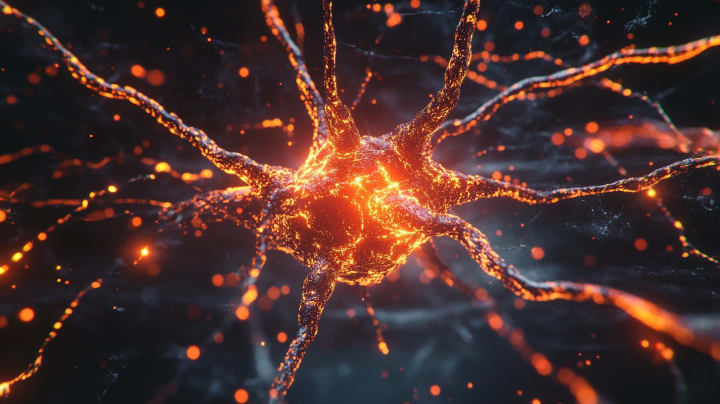
In parallel, biomarkers obtained through blood tests are incorporated, which detect proteins associated with brain damage. Their inclusion allows for the identification of injuries not evident in the clinical evaluation and a more precise decision-making process for which patients require a CT scan. As Dams-O'Connor explained, the use of biomarkers provides objective indicators of brain tissue damage, which helps prevent the erroneous attribution of symptoms to a TBI that are actually due to other causes.
The third component is based on neuroimaging, such as CT scans and MRIs, which are essential for detecting bleeding, hematomas, or structural injuries that can predict complications. Finally, the model incorporates modifying factors such as other medical conditions and the manner in which the trauma occurred, elements that can influence the clinical evaluation and the patient's outcome.
What types of brain injuries exist and how do they manifest
At Mayo Clinic, experts indicate that a traumatic brain injury can occur from a violent blow to the head or body, or from the penetration of an object into brain tissue, such as a bullet or bone fragment. According to the institution, mild TBIs can temporarily affect brain function, while more severe TBIs cause bruising, tissue tears, bleeding, or structural damage that can lead to long-lasting complications or even death.
Cleveland Clinic, for its part, distinguishes between penetrating and non-penetrating injuries. The former occur when an object passes through the skull and enters the brain. The latter, which is more common, result from impacts that cause the organ to shift or twist abruptly within the skull, such as in falls, car accidents, or sports activities. Both clinics agree that the damage may not be immediately visible and that symptoms can appear hours or even days after the trauma.
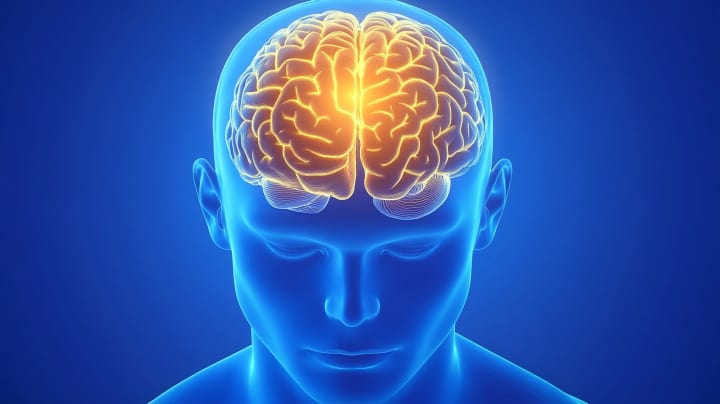
In mild cases, headaches, nausea, drowsiness, hypersensitivity to light or sound, and memory or concentration difficulties are common. When the injury is moderate or severe, persistent vomiting, seizures, prolonged loss of consciousness, motor disturbances, speech or balance disorders, and in some cases, coma may occur. In infants and young children, signs are more difficult to detect and include irritability, changes in appetite, constant crying, or lack of interest in common stimuli.
The two institutions warn that many people may develop long-term consequences, even when the initial diagnosis was a mild TBI. The Cleveland Clinic notes that moderate and severe brain injuries increase the risk of neurodegenerative diseases such as Alzheimer's, chronic traumatic encephalopathy, or post-traumatic stress disorder.
The challenge of tailoring treatment to each patient
One of the main goals of the new model is to provide tools to personalize care. In turn, clinical contextualization allows for more precise decisions about the type of care each person needs.
“Building on the strength of this internationally used scale, while also incorporating additional clinical assessments that allow for a more detailed characterization of severity, is critical to the first (clinical) pillar of the CBI-M model, which I believe will help support the adoption of the new framework in clinical practice,” Dams-O’Connor noted. The goal is not to immediately replace what exists, but to expand and improve the assessment process from the outset of patient contact.
Although the CBI-M is still under evaluation, its proponents believe it can become a new global standard. The shift, rather than technological, is conceptual: to stop thinking of brain injuries as a continuum between mild and severe, and begin to approach them as multifactorial conditions, in which diagnosis and treatment must be tailored on a case-by-case basis.
About the Creator
Omar Rastelli
I'm Argentine, from the northern province of Buenos Aires. I love books, computers, travel, and the friendship of the peoples of the world. I reside in "The Land of Enchantment" New Mexico, USA...
Keep reading
More stories from Omar Rastelli and writers in Journal and other communities.
The goals I did not achieve
Every writing goal I made for the year is a wash. It has been this way for a while, but I think it's important to be open about my failures and the reality of how life can get in the way. This is especially true considering the several times I have posted on Vocal about my writing goals, how I was changing my approach, and where I was hoping to be for the upcoming year. I will probably do that again in a couple months, but for now, it is time to acknowledge where I am today.
By Kay Husnick18 days ago in Journal
25 Best AI-Powered Tools Transforming Business Productivity in 2026
The modern workplace is a new world. What used to take an eight-hour manual process now occurs in merely minutes because of artificial intelligence that is integrating itself into our world of work. I have personally evaluated numerous artificial intelligence resources over the past six months, and I am astonished at what I have seen regarding productivity. Projects cut in half? Gone are entire lists of busywork.
By Laslo Povanych5 days ago in Journal



Comments
There are no comments for this story
Be the first to respond and start the conversation.