
Navigating Work and Auto Injury Treatment: A Comprehensive Guide to Recovery and Return to Work
Overcoming Challenges, Seeking Proper Treatment, and Restoring Function for a Successful Return to Your Job
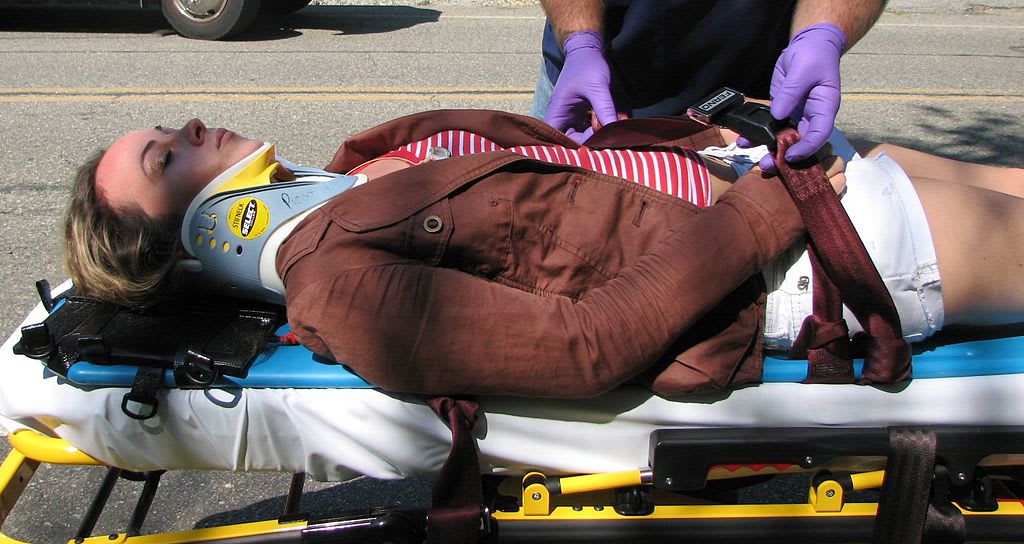
Dealing with an injury from an auto accident can be challenging, especially when it impacts your ability to work. Getting the right treatment is key to recovering quickly and fully so you can get back to your normal routine. This article provides an in-depth look at navigating work and auto injury treatment.
Understanding Your Injuries
The first step is understanding exactly what injuries you sustained in the accident. Some may be obvious, like cuts and bruises. But others may be subtle or take time to appear, like neck or back pain. It’s important to get checked out thoroughly after an accident to identify all injuries.
Some common auto accident injuries include:
- Whiplash - caused by the neck snapping back and forth, resulting in strain and sprain of the neck muscles and ligaments. This can cause neck pain, stiffness, headaches, and more.
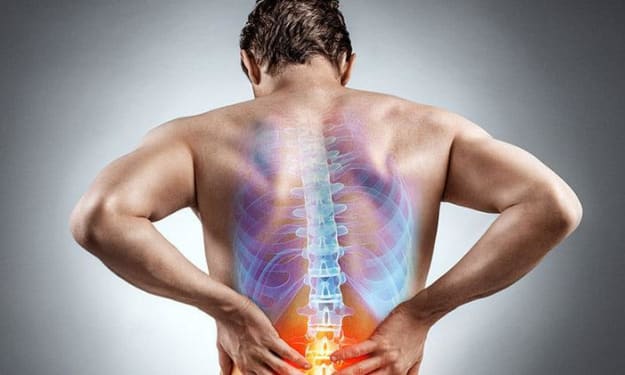
- Herniated discs - when force from the accident pushes the discs in the spine out of position, pressing on nerves. This often causes numbness, tingling, and radiating pain.
- Sprains and strains - overstretching or tearing of muscles, tendons, and ligaments. Most often occurs in the neck, back, and knees.
- Fractures - broken bones in any part of the body caused by impact. Rib and extremity fractures are most common.
- Head injuries - includes concussions, bleeding or bruising in the brain, skull fractures, and nerve damage. Can cause memory problems, dizziness, confusion, and more.
- Post-traumatic stress disorder (PTSD) - a mental health condition triggered by the traumatic experience of a serious accident. Causes anxiety, flashbacks, nightmares, and avoidance.
Getting an accurate diagnosis from a doctor is important for proper treatment. MRI, CT scans, x-rays, and other tests may be used. Be sure to discuss all your symptoms.
Seeking Prompt Medical Care
It’s crucial to seek medical care promptly after an auto accident injury. This helps:
- Get an accurate diagnosis and start treatment right away
- Prevent worsening or permanent damage from untreated injuries
- Document injuries for insurance claim purposes
- Initiate any workers’ compensation benefits you may be entitled to
Many people hesitate to get checked out, not wanting to deal with doctors, tests, and costs. But delaying can negatively impact your recovery. Even if you feel fine initially, problems like disc injuries, torn ligaments, and whiplash may take days or weeks to fully surface.
Most auto insurance policies and workers’ compensation plans cover accident-related medical costs. Talk to your employer about filing a workers' comp claim if your injuries are work-related.
The Importance of Ongoing Treatment
One trip to the doctor won’t be enough. Effective treatment for auto accident injuries requires multiple visits and specialized care over 4-6 weeks on average. This may include:
- Chiropractic - Focuses on realigning the musculoskeletal system to reduce pain and improve function. Gentle spinal adjustments, mobilizations, traction, and other hands-on techniques are used.
- Physical therapy - Specialized therapeutic exercises and modalities to help rebuild strength, restore range of motion, reduce inflammation and pain, and promote healing.
- Massage therapy - Helps relax tightened muscles, improve circulation, decrease swelling, and relieve pain. Often included as part of physical therapy treatment plans.
- Medications - Prescription medications to help manage pain, inflammation, and muscle spasms as you heal. May include steroids, muscle relaxers, NSAIDs, or pain pills.
- Epidural steroid injections - Powerful anti-inflammatory medication injected into the spine to reduce inflammation and pain from disc, nerve, or spinal injuries.
- Surgery - Necessary in some cases for fractures, herniated discs, or significant spine instability that won’t heal with conservative treatment.
Being consistent with prescribed treatment is key. Missing appointments or not doing recommended exercises at home will slow progress. Communicate with your provider about any challenges.
Navigating Work Restrictions
Recovering from auto accident injuries often means having temporary work restrictions outlined by your treatment provider. Common restrictions include:
- Limits on lifting, bending, or twisting
- Restricted sitting or standing time
- No prolonged computer use
- Limits on driving or operating machinery
This allows the body to rest and heal properly. But it can put your job at risk if accommodations aren’t made.
Notify your employer about any work restrictions right away. Larger companies will have temporary light duty jobs to accommodate healing workers. Smaller employers may be able provide modified duties or flexible schedules.
If reasonable accommodations can’t be made, you may qualify for salary continuation benefits under workers’ comp. Talk to your claims manager.
Getting back to work with restrictions is preferable, when possible. It helps maintain job security and income. Stay in touch with your employer about your progress and expected duration of restrictions.
Overcoming Setbacks During Recovery
Recovering from auto accident injuries is rarely straightforward. Setbacks are common and can be discouraging. You may feel your pain plateau or even worsen temporarily as you increase activity. Don't get discouraged.
Stay focused on the big picture. Let your providers know about any bumps in the road so they can adjust your treatment plan. With their guidance, gradually work through hurdles. Consistency is key - stick to your treatment plan.
Set small, achievable goals week-to-week to stay motivated, like walking 5 more minutes each day or sitting up straighter. Celebrate each little victory.
Lean on supportive friends and family during the ups and downs. Seek encouragement from others who’ve overcome injury challenges. With determination and patience, you’ll get back on track.
Restoring Function for Return to Work
Your medical providers will be working to help you regain strength, mobility, and function so you can successfully return to your job. Make this a collaborative effort by:
- Being actively involved in therapy - ask questions, share goals, speak up about any difficulties
- Keeping providers updated on job duties for tailored treatment
- Applying feedback on proper body mechanics and work ergonomics
- Maintaining open communication with your employer
- Pacing activity at home to avoid overexertion
As abilities improve, discuss trying modified or transitional work duties under close supervision of your care team. This helps assess readiness while getting you back in a work routine.
Don’t rush back too soon. Follow your provider’s guidance to safely build endurance and minimize reinjury risk. With hard work in treatment and patience, you’ll get back to doing what you love.
Long-Term Recovery Planning
Even after completing initial treatment, some auto accident injuries cause lasting effects. This may include:
- Ongoing pain or stiffness
- Physical stamina deficits
- Permanent mobility restrictions
- Increased susceptibility to reinjury
Work closely with your medical providers to make a long-term plan to best manage your condition. This may require periodic check-ins, continued therapy, medications, or activity modifications.
Open communication with your employer is key. Under the Americans with Disabilities Act, employers must make reasonable accommodations for functional limitations related to disability.
Be upfront about challenges you face and offer solutions, like modified hours, alternate duties, or ergonomic equipment. This promotes ongoing job security and success.
With proactive planning, implementation, and self-advocacy, lasting effects of auto accident injuries don’t have to limit your career. You can get back to doing work you enjoy safely and confidently.
Finding Hope and Healing After Auto Accident Injuries
Dealing with injuries from a car accident can derail your life, especially your work routine. But with proper treatment over time, recovery and return to your job is absolutely possible. Be patient with the process. Celebrate each small step forward as you steadily regain abilities.
Surround yourself with a strong support team - doctors, therapists, family, friends, and employers. Stay focused on healing safely and completely. Don’t let setbacks discourage you. Be your own best advocate.
Thousands recover from serious auto injuries every year and get their lives back. With determination and perseverance, you can too. There is hope. Your health and purpose are worth fighting for.
To learn more about proven auto injury treatment from experienced specialists, visit Arizona Injury Medical & Auto Accident Clinic ↗. Their comprehensive care helps clients achieve optimal recovery and get back to fulfilling work.
About the Creator
~ Fired ~
— Ai Intrusion ~ Are you Next ~ Is Ai Evolution after your job? — Few workplaces haven't been affected. Ai is in supermarkets, at doctors' offices, and even monitoring farms. I just can't think of anything this machine is not getting into, can you? For instance: Education ~ Law and Tech jobs will one day have a major influence or be taken over by these inanimate machines, with accuracy and vigor. From mechanics' diagnoses to a wide variety of everyday jobs, including fast food workers, with this input having the ability to cut their unnecessary work hours. I'm certain all of us have been touched by this with our short stories and colorful headings, have you? Even comments are very questionable 'Non-Robot' insertions.
By Jay Kantor3 days ago in Journal
A Love Forboding
The chipped stone slope caused unbearable footing. I slid, skirting on my heels. I cast my shield, relinquishing my guard to stay upright. Left with my double-edge and a prayer to the maker, I skated toward my objective. The earthly stubble gave way to solid ground. I found myself restored, a trail of dust in my wake.
By James U. Rizzi5 days ago in Fiction


Comments
There are no comments for this story
Be the first to respond and start the conversation.