
Navigating the World of Farming Equipment Parts: A Comprehensive Guide
CNH REMAN

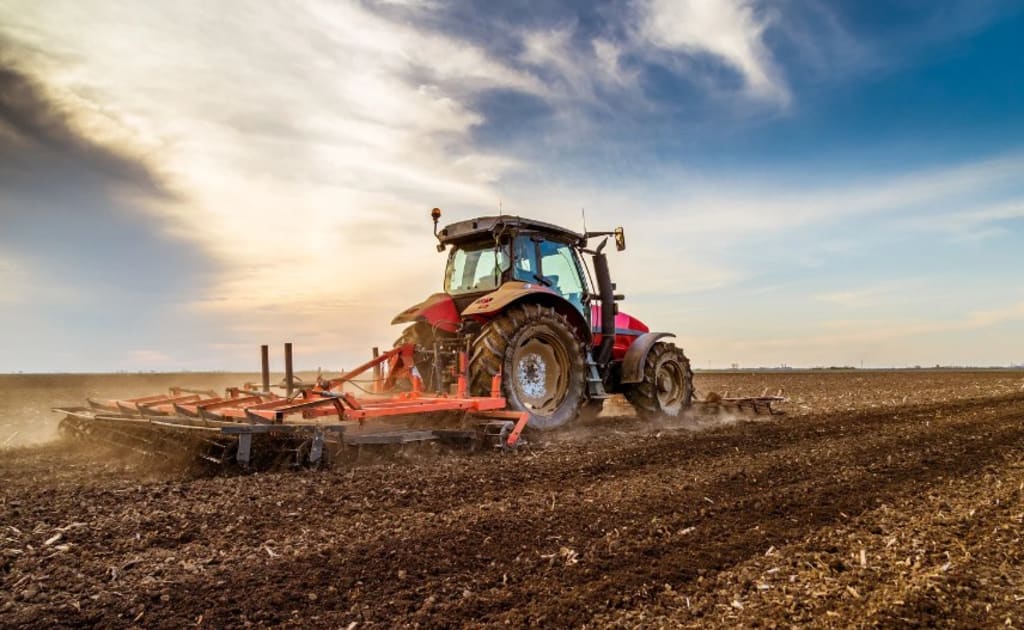
Farming equipment is the backbone of modern agriculture. From planting and cultivating to harvesting and transporting, these machines are critical to the efficiency and productivity of farming operations. However, to keep this machinery running smoothly, understanding the various farming equipment parts and how they work together is crucial. This blog will delve into the importance of these parts, common issues, and maintenance tips to ensure your equipment operates at peak performance.
Understanding Farming Equipment Parts
Farming equipment encompasses a wide range of machinery, including tractors, plows, combines, and more. Each of these machines is composed of numerous parts, each serving a specific function. Let’s break down some of the essential components:
Engine Components: The engine is the heart of any farming machinery. Key parts include the pistons, crankshaft, camshaft, and fuel injectors. Regular maintenance of these components ensures efficient fuel combustion and optimal engine performance.
Transmission System: This system transmits power from the engine to the wheels or other working parts. Key components include the gearbox, clutch, and driveshaft. Proper care and timely replacement of worn-out parts are crucial to prevent transmission failures.
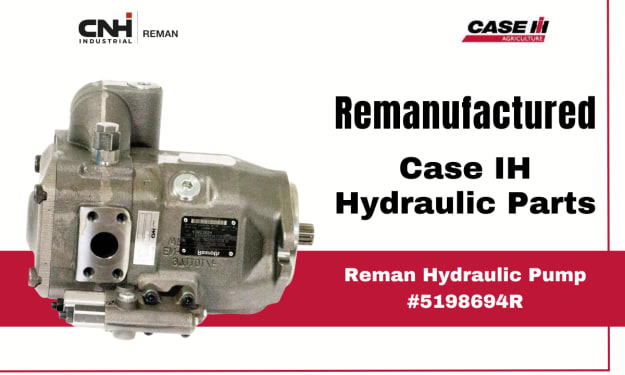
Hydraulic System: Many farming machines use hydraulic systems to operate various functions, such as lifting and adjusting implements. Components include hydraulic pumps, cylinders, and hoses. Leaks or malfunctions in this system can significantly impact the machine's functionality.
Electrical System: Modern farming equipment relies heavily on electronics for operation. This includes the battery, alternator, and wiring harnesses. Ensuring the electrical system is in good condition is vital for starting the engine and powering various controls.
Tires and Wheels: Tires are crucial for the mobility and stability of farming equipment. They come in various types and sizes depending on the machinery and its purpose. Regular inspection and maintenance of tires help prevent breakdowns and ensure safe operation.
Cooling System: The cooling system prevents the engine from overheating. Key parts include the radiator, thermostat, and coolant hoses. Regular checks and coolant top-ups are essential for preventing engine damage.
Power Take-Off (PTO): The PTO is a critical part of tractors and combines, allowing them to transfer power to various implements. Regular maintenance and inspections are necessary to prevent PTO shaft damage.
Common Issues with Farming Equipment Parts
Understanding common issues with farming equipment parts can help you address problems before they lead to significant breakdowns. Here are some typical issues and their solutions:
Engine Overheating: This can be caused by a malfunctioning thermostat, low coolant levels, or a clogged radiator. Regularly checking coolant levels and cleaning the radiator can help prevent overheating.
Transmission Slippage: Slipping gears or difficulty shifting can indicate worn-out clutch components or a low transmission fluid level. Regularly checking and replacing transmission fluid, and inspecting the clutch, can mitigate these issues.
Hydraulic Leaks: Leaks in the hydraulic system can lead to reduced power and efficiency. Inspect hydraulic hoses and connections regularly for signs of wear or damage, and replace faulty parts promptly.
Electrical Failures: Common electrical issues include a dead battery, faulty alternator, or damaged wiring. Regularly checking the battery and electrical connections can help prevent electrical failures.
Tire Wear and Damage: Uneven wear or damage to tires can affect the stability and performance of your machinery. Regularly inspecting and rotating tires, and ensuring proper inflation, can extend their lifespan.
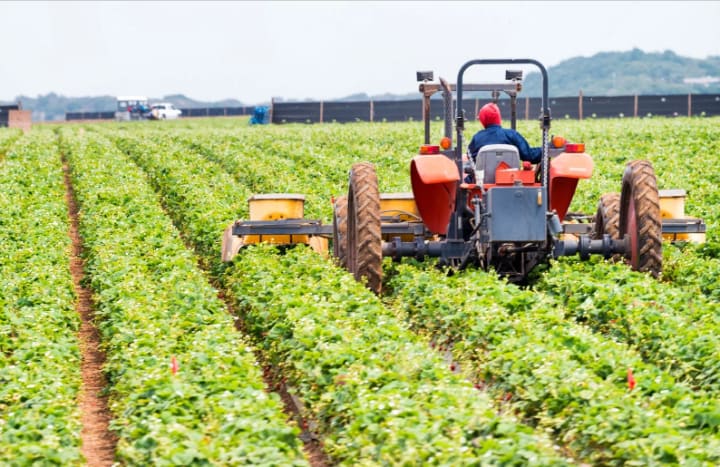
Maintenance Tips for Farming Equipment Parts
Proper maintenance is key to extending the lifespan of your farming equipment and ensuring it operates efficiently. Here are some essential maintenance tips:
Regular Inspections: Conduct routine inspections of all major components, including the engine, transmission, hydraulic system, and tires. Look for signs of wear, leaks, or damage.
Follow Manufacturer Guidelines: Adhere to the maintenance schedule provided by the equipment manufacturer. This includes changing oil, replacing filters, and checking fluid levels at recommended intervals.
Keep Equipment Clean: Regularly clean your farming equipment to prevent the buildup of dirt and debris, which can lead to mechanical issues and reduced performance.
Lubricate Moving Parts: Apply lubricants to moving parts, such as joints and bearings, to reduce friction and wear. Use the recommended lubricants and follow the manufacturer's guidelines.
Replace Worn Parts Promptly: Address worn or damaged parts immediately to prevent further damage to the equipment. Keep a stock of commonly replaced parts, such as filters and belts, to minimize downtime.
Store Equipment Properly: When not in use, store farming equipment in a dry, sheltered area to protect it from the elements. Covering machinery with tarps or covers can also help prevent rust and deterioration.
Upgrading Farming Equipment Parts
As technology advances, upgrading your farming equipment parts can improve efficiency and productivity. Here are some considerations for upgrading:
Evaluate Performance Needs: Assess the performance and efficiency of your current equipment. Determine if upgrades can help address specific issues or improve functionality.
Research Modern Parts: Look into modern, high-performance parts that offer better durability, efficiency, and functionality. For example, upgrading to advanced hydraulic systems or more efficient engines can enhance overall performance.
Consult with Experts: Seek advice from equipment dealers or specialists who can recommend suitable upgrades based on your specific needs and equipment.
Budget for Upgrades: Plan and budget for upgrades carefully. While investing in high-quality parts can be beneficial, ensure that the upgrades align with your financial plans and operational goals.
Conclusion
Understanding and maintaining farming equipment parts is essential for the smooth operation of your agricultural machinery. Regular inspections, proper maintenance, and timely upgrades can enhance performance, extend the lifespan of your equipment, and ensure that your farming operations run efficiently. By staying informed about the various components and addressing issues proactively, you can keep your machinery in top shape and continue to reap the benefits of modern farming technology.
About the Creator
CNH Reman
CNH Reman genuine remanufactured parts are completely disassembled. All parts are thoroughly inspected and reassembled to the latest OEM specifications.
How Technology Is Redefining Real Estate
The real estate industry has long been considered traditional, slow-moving, and heavily dependent on manual processes. Buying, selling, renting, or managing property often involved paperwork, middlemen, and long waiting periods. However, the digital age has brought a dramatic shift. Today, technology is not just supporting real estate—it is transforming it from the ground up.
By darrendemers125 days ago in Journal



Comments
There are no comments for this story
Be the first to respond and start the conversation.