
Myofitness Is Oncology Massage Safe for Everyone with Cancer?
Oncology massage is a specialized form of massage therapy tailored to the unique needs of individuals diagnosed with cancer.
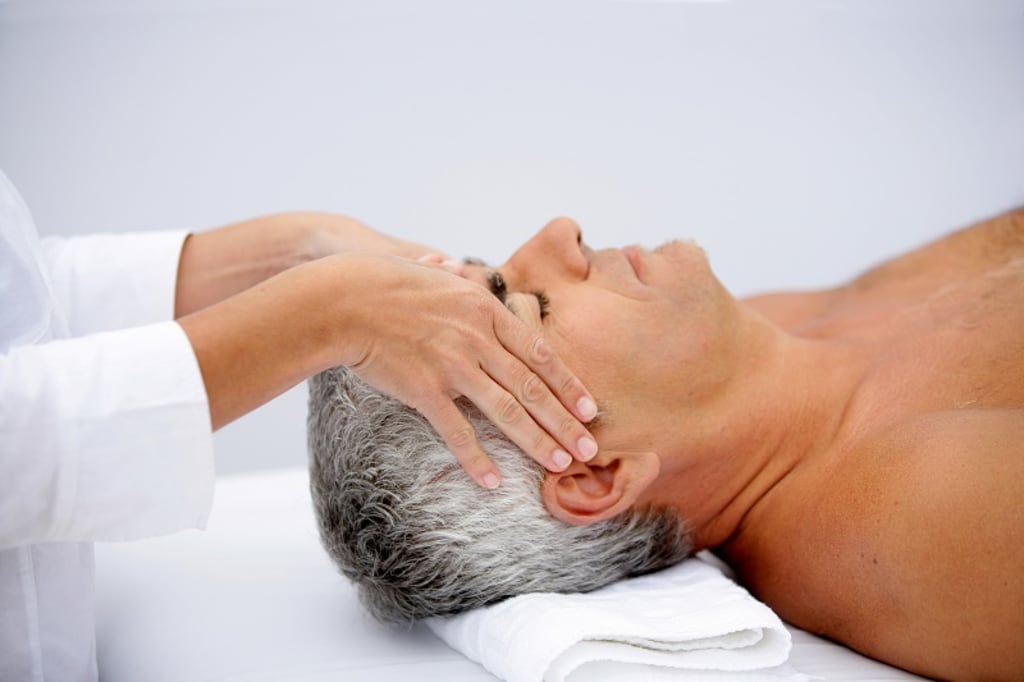
Oncology massage is a specialized form of massage therapy tailored to the unique needs of individuals diagnosed with cancer. This therapeutic approach aims to provide comfort, alleviate pain, and reduce stress for patients undergoing cancer treatment or living with cancer. However, the question remains: Is oncology massage safe for everyone with cancer? This article explores the various aspects of oncology massage, including its benefits, potential risks, and guidelines to ensure safe practice for cancer patients.
Understanding Oncology Massage
Oncology massage differs from traditional massage therapies in its focus on the specific physical and emotional challenges faced by cancer patients. Therapists trained in oncology massage have a deep understanding of the disease, its treatments, and the side effects that may arise. As a result, these therapists can modify techniques to cater to the individual's condition, ensuring a safe and effective massage experience.
Benefits of Oncology Massage
1. Pain Relief: Many cancer patients experience pain due to the disease itself or as a side effect of treatments like chemotherapy or radiation. Oncology massage can help alleviate this pain by promoting relaxation and improving circulation.
2. Stress Reduction: The psychological toll of a cancer diagnosis can be overwhelming. Massage therapy can provide a calming effect, reducing anxiety and stress levels. This emotional support is crucial for maintaining a positive outlook during treatment.
3. Improved Quality of Life: By addressing physical discomfort and emotional distress, oncology massage can significantly enhance a patient’s overall quality of life. Many patients report feeling more in control and empowered after receiving treatment.
4. Enhanced Sleep: Cancer patients often struggle with sleep disturbances. The relaxation induced by massage can help improve sleep quality, which is essential for overall health and recovery.
5. Lymphedema Management: For patients at risk of developing lymphedema (swelling caused by the buildup of lymph fluid), specialized techniques in oncology massage can help manage symptoms and promote lymphatic drainage.
Who Can Benefit from Oncology Massage?
While oncology massage is beneficial for many cancer patients, it is not universally safe for everyone. Factors influencing safety include:
1. Stage of Cancer: Patients in different stages of cancer may have varying responses to massage. Those in advanced stages may have more fragile conditions and require a more cautious approach.
2. Type of Cancer: Certain cancers may have specific contraindications. For example, massage may not be suitable for patients with bone metastases, as it could exacerbate pain or lead to fractures.
3. Treatment Type: Patients currently undergoing treatments such as chemotherapy or radiation may experience side effects like nausea, fatigue, or skin sensitivity. In such cases, modifications to the massage technique may be necessary to accommodate their needs.
4. Medical History: A patient’s overall health and medical history play a crucial role in determining the safety of oncology massage. Patients with compromised immune systems or other health issues should consult their healthcare provider before undergoing massage therapy.
5. Psychological Considerations: Emotional readiness is essential. Some patients may not be comfortable with physical touch due to trauma or anxiety related to their illness.
Potential Risks of Oncology Massage
While oncology massage is generally considered safe, there are potential risks involved. These can include:
1. Skin Sensitivity: Patients undergoing radiation therapy may have sensitive or damaged skin, making certain massage techniques uncomfortable or harmful.
2. Infection Risk: Individuals with weakened immune systems due to cancer treatments may be at increased risk for infection. This risk necessitates strict hygiene practices during the massage.
3. Exacerbation of Symptoms: In some cases, massage may inadvertently exacerbate symptoms like pain or swelling. This underscores the importance of individualized treatment plans.
4. Emotional Responses: Massage can evoke strong emotions, and some patients may experience unexpected emotional releases during or after a session.
Guidelines for Safe Oncology Massage
To ensure a safe experience, the following guidelines should be followed:
1. Consult Healthcare Providers: Before receiving oncology massage, patients should discuss it with their oncologist or healthcare team. This ensures that massage therapy is appropriate for their specific condition.
2. Choose a Qualified Therapist: It is crucial to seek out a massage therapist who is trained in oncology massage. These professionals understand the complexities of cancer treatment and can tailor their approach accordingly.
3. Communicate Openly: Patients should communicate their comfort levels, preferences, and any areas of concern before and during the massage. This dialogue allows the therapist to adjust techniques as needed.
4. Be Aware of Body Signals: Patients should listen to their bodies during the session. If something feels uncomfortable or painful, they should feel empowered to speak up and ask the therapist to modify or discontinue the massage.
5. Start Slowly: For new patients, it may be beneficial to start with shorter sessions or lighter techniques to gauge comfort levels before progressing to more intensive work.
6. Monitor for Side Effects: After the massage, patients should be aware of how their body responds. Any new symptoms or exacerbation of existing conditions should be reported to their healthcare team.
Conclusion
Oncology massage can offer significant benefits for many cancer patients, enhancing their quality of life and providing relief from various symptoms. However, it is not a one-size-fits-all solution, and its safety depends on individual circumstances, including the type and stage of cancer, treatment modalities, and overall health. By following safety guidelines, consulting healthcare providers, and choosing qualified therapists, patients can enjoy the benefits of oncology massage while minimizing potential risks. As with any complementary therapy, an individualized approach is key to ensuring a safe and effective experience for those living with cancer.
About the Creator
Keep reading
More stories from jennifer caston and writers in Journal and other communities.
What are the benefits of hiring a virtual CFO?
The Benefits of Hiring a Virtual CFO In today’s rapidly evolving business environment, companies are increasingly turning to virtual CFOs (Chief Financial Officers) to handle their financial management needs. This trend is driven by the need for expert financial guidance without the overhead associated with a full-time, in-house CFO. But what exactly are the benefits of hiring a virtual CFO? Let’s delve into the key advantages.
By jennifer castonabout a year ago in Journal
Florida Business Insurance Requirements
Running a business in Florida means operating in one of the most dynamic—and complex—risk environments in the country. Between climate exposure, legal requirements, contractual obligations, and industry-specific risks, insurance is not just a formality. It is a structural component of how a business survives disruptions, disputes, and unexpected losses.
By American US Insurance3 days ago in Journal




Comments
There are no comments for this story
Be the first to respond and start the conversation.