
Mount Kilimanjaro
The Majestic Giant of Africa

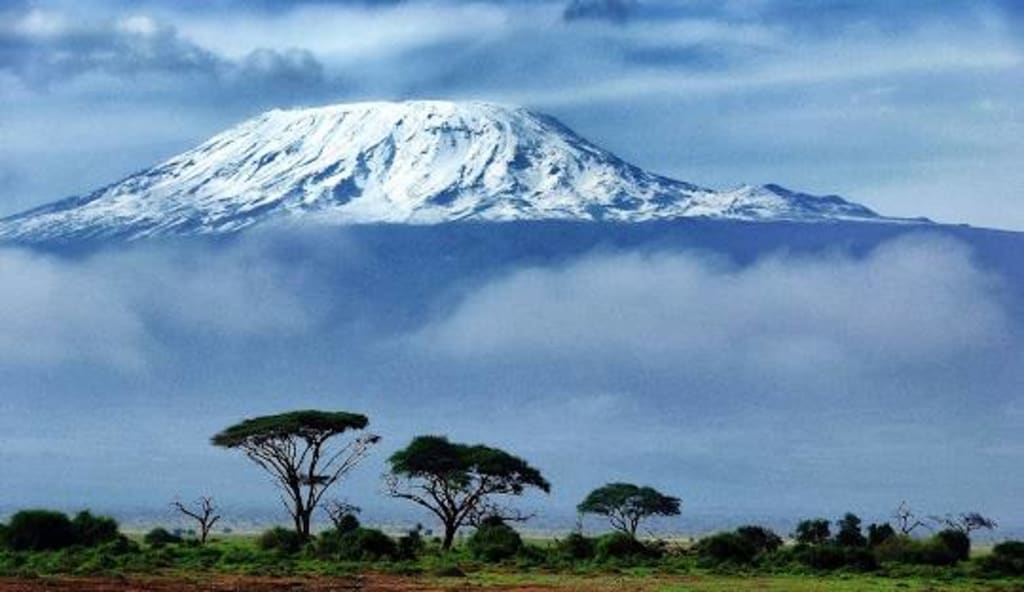
Mount Kilimanjaro, located in Tanzania, is one of the most iconic mountains in the world. Its towering peak stands as a natural wonder and a magnet for adventurers, trekkers, and nature enthusiasts. As Africa’s highest mountain, Kilimanjaro offers a unique blend of landscapes, rich biodiversity, and cultural significance that make it a must-visit destination for travelers.
The Height of Adventure
At 5,895 meters (19,341 feet) above sea level, Kilimanjaro holds the title of the highest mountain in Africa. Its peak, Uhuru Peak, has long been a coveted goal for climbers from across the globe. However, unlike other mountains that require technical climbing skills, Kilimanjaro is known for being a non-technical climb, making it accessible to novice trekkers who are in good physical condition.
A Journey Through Multiple Ecosystems
What sets Kilimanjaro apart from many other mountains is its wide range of ecosystems. As you ascend, you’ll pass through five distinct ecological zones, each offering a unique experience:
Rainforest Zone: The lower slopes of Kilimanjaro are covered in lush, dense rainforest. Here, you’ll be surrounded by towering trees, vibrant plant life, and the sounds of birds and monkeys. The air is humid and cool, and you may even see elephants or buffalo wandering in the distance.
Moorland Zone: Higher up, the landscape transitions to a semi-arid, moorland environment. This zone features shrubbery, heather, and unique alpine plants. The air gets thinner, and the temperature drops, making it feel like you’re walking on the edge of the earth.
Alpine Desert: As you near the higher elevations, the terrain becomes more barren and rocky. The alpine desert zone is marked by sparse vegetation, with just a few resilient species surviving in the harsh conditions. The landscape is otherworldly, and the air becomes noticeably thinner.
Glacier Zone: At the summit, you’ll find the glaciers that have been slowly retreating over the years due to climate change. Kilimanjaro’s glaciers, while still strikingly beautiful, are a reminder of the mountain’s changing climate. The ice formations and snow-capped summit add to the mountain’s mystical allure.
Summit: Finally, the ultimate reward—reaching the summit, Uhuru Peak, where the panoramic views are nothing short of breathtaking. From here, you can see the vast plains of Tanzania stretching out below, as well as the nearby peaks of Mount Meru.
The Routes to the Summit
There are several routes to summit Mount Kilimanjaro, each offering different experiences in terms of difficulty, scenery, and length:
Marangu Route: Also known as the "Coca-Cola" route, this is the oldest and most popular route. It’s the only one with hut accommodations, making it slightly more comfortable but also more crowded.
Machame Route: This is one of the most scenic routes, with stunning views of the mountain's various ecosystems. It’s a bit more challenging due to its steeper climbs but offers a more immersive experience.
Lemosho Route: This is a longer route that provides a greater chance of acclimatization. It's less crowded and offers some of the most picturesque views of the mountain.
Rongai Route: This is the least crowded route, and it approaches Kilimanjaro from the north. It’s known for its remote, quieter nature, but it does not offer as much variation in scenery as some of the other routes.
Northern Circuit: The Northern Circuit is the newest and longest route, offering diverse landscapes and fewer crowds. It’s an excellent option for those looking for a more serene and extended climb.
Best Time to Climb Mount Kilimanjaro
The best time to climb Kilimanjaro is during the dry seasons, which are from January to March and June to October. These months provide clear skies and warmer temperatures, though it’s important to prepare for cold nights, especially as you near the summit.
Wildlife and Cultural Significance
Kilimanjaro is not just a natural marvel; it holds cultural significance as well. The mountain is considered sacred by the Chaga people, who have lived on its slopes for centuries. They believe that Kilimanjaro is home to the gods and is an integral part of their spiritual life.
Wildlife enthusiasts will also appreciate the chance to see a wide range of animals around the mountain. While the higher altitudes are devoid of large mammals, the foothills are home to various species, including monkeys, elephants, and a variety of bird species.
The Challenge and The Reward
Climbing Kilimanjaro is no small feat. It requires good physical fitness, preparation, and the ability to cope with altitude sickness. However, for those who undertake the challenge, the sense of accomplishment upon reaching the summit is unparalleled. The panoramic views, the sense of standing atop Africa’s tallest peak, and the pride in completing such a challenging trek are experiences that stay with climbers for a lifetime.
Conclusion
Mount Kilimanjaro is more than just a destination; it’s a journey through nature’s beauty and an opportunity for personal achievement. Whether you’re an experienced mountaineer or a first-time hiker, the trek to its summit offers a chance to experience some of the most awe-inspiring landscapes in the world. If climbing Kilimanjaro is on your bucket list, start planning today—this is an adventure you won’t forget!
About the Creator
Keep reading
More stories from Nataliie Wilson and writers in Journal and other communities.
Who is your "Person"?
It's important to recognize that you cannot go through life as easily on your own. My name is Elizabeth and I'm a survivor of child abuse and horrific trauma. Healing from trauma is not a quick fix and recognizing that it will take time, is part of the struggle.
By Elizabeth Woodsa day ago in Psyche


Comments (1)
Wow! Great mountain! Wonderful! Gazoogabloga! Very well written!