
Motion Control Systems: A Cost Effective Solution with Remote Monitoring Options
The Importance of Motion Control Systems and Condition Monitoring Systems


Introduction
In today's industrial landscape, motion control systems and condition monitoring systems play a pivotal role in ensuring optimal performance, productivity, and safety. These systems are designed to monitor, control, and maintain critical machinery and equipment, offering numerous benefits to industries across various sectors. In this blog, we will explore the importance of motion control systems and condition monitoring systems, highlighting how they contribute to efficiency, reliability, and cost-effectiveness.
Motion Control Systems
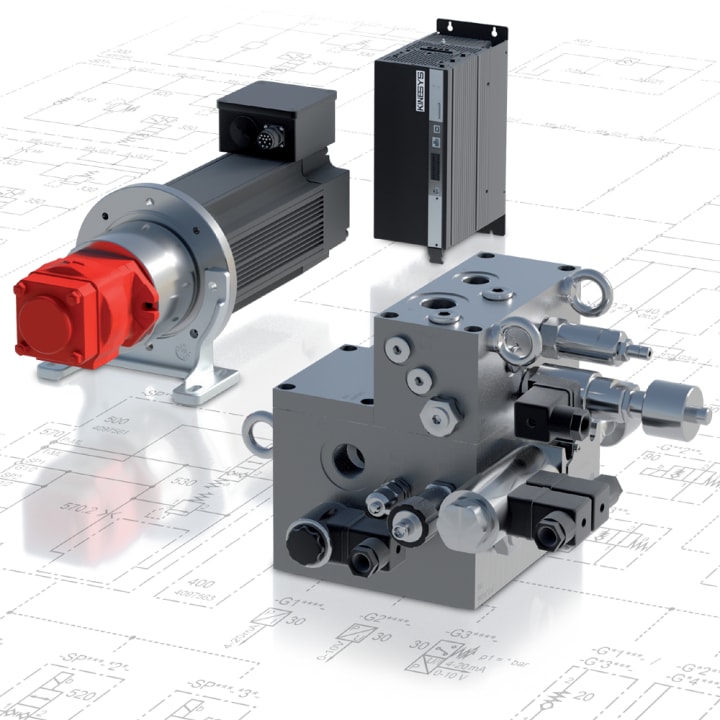
Precision and Accuracy
Motion control systems provide precise and accurate control over machinery and equipment movements. They utilize advanced algorithms and feedback mechanisms to ensure smooth and controlled motion, enabling industries to achieve high levels of accuracy in manufacturing processes. From robotics and CNC machines to automated assembly lines, motion control systems enhance precision, resulting in improved product quality and reduced waste.
Increased Productivity
Efficient motion control systems optimize production processes by reducing cycle times and enhancing throughput. By automating repetitive tasks, these systems enable faster and more consistent operations, eliminating human errors and increasing overall productivity. Industries can achieve higher production volumes, meet demanding schedules, and remain competitive in today's fast-paced market.
Flexibility and Adaptability
Motion control systems offer unparalleled flexibility and adaptability, allowing for quick adjustments and changes in production requirements. With programmable logic controllers (PLCs) and sophisticated software interfaces, operators can easily modify motion parameters, sequences, and trajectories to accommodate diverse product specifications. This flexibility ensures that manufacturers can respond swiftly to changing market demands, optimizing their production capabilities.
Improved Safety
Safety is a paramount concern in industrial environments, and motion control systems contribute significantly to ensuring a safe working environment. By implementing motion control systems with built-in safety features, such as emergency stop functionalities and collision avoidance mechanisms, the risk of accidents and injuries can be minimized. These systems monitor and regulate movements to prevent hazardous situations, protecting both workers and equipment.
Condition Monitoring Systems
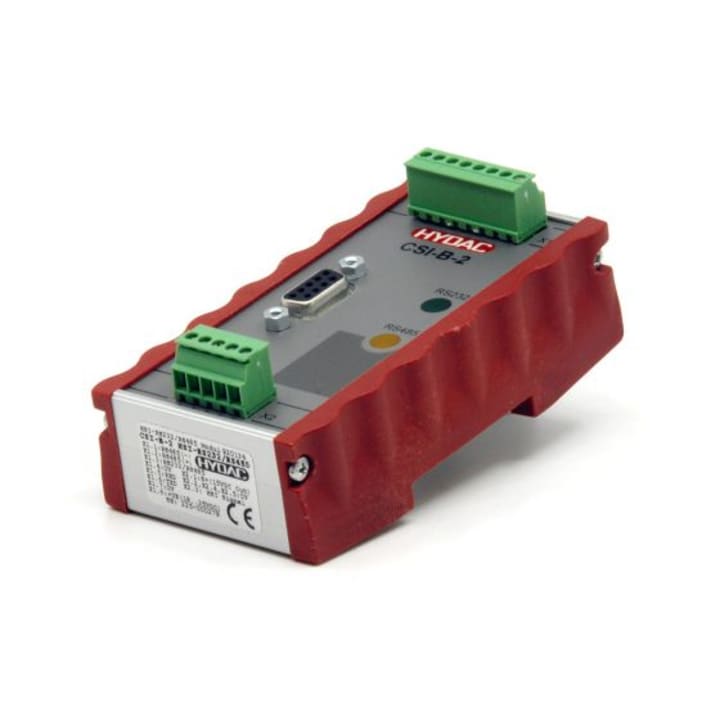
Proactive Maintenance
Condition monitoring systems enable proactive maintenance practices by continuously monitoring the health of machinery and equipment. Through the use of sensors, these systems collect real-time data on parameters such as temperature, vibration, and lubrication levels. By analyzing this data, maintenance teams can detect early signs of potential failures, allowing for timely preventive maintenance interventions. Proactive maintenance reduces unplanned downtime, extends equipment lifespan, and lowers overall maintenance costs.
Cost Optimization
Condition monitoring systems help optimize costs by maximizing the utilization of resources. By identifying equipment issues in their early stages, companies can plan maintenance activities more effectively, avoiding costly emergency repairs and minimizing production disruptions. Additionally, condition monitoring systems enable predictive maintenance, where maintenance actions are scheduled based on actual equipment conditions, optimizing the use of spare parts, labor, and maintenance intervals.
Enhanced Reliability
Reliability is crucial for industries that rely on continuous operations. Condition monitoring systems provide real-time insights into equipment performance, enabling proactive troubleshooting and timely corrective actions. By identifying and resolving potential issues before they escalate, companies can ensure uninterrupted production, reduce the risk of unexpected breakdowns, and maintain a high level of reliability in their operations.
Data-Driven Decision Making
Condition monitoring systems generate vast amounts of data that can be utilized for analysis and decision making. By leveraging machine learning algorithms and data analytics, companies can gain valuable insights into equipment performance trends, failure patterns, and optimization opportunities. This data-driven approach allows for informed decision making regarding equipment maintenance strategies, process improvements, and investments in new technologies.
Conclusion
Motion control systems and condition monitoring systems are indispensable tools for industries seeking to optimize performance, reliability, and safety. From precision and productivity gains to proactive maintenance and data-driven decision making, these systems provide substantial benefits to organizations across various sectors.
About the Creator
HYDAC - IO-Link Communication Interface
Striving to enhance coordination and connectivity across your industrial space? Try IO-Link Communication Interface technology from Hydac for greater efficiency. With the capability of exchanging three variants of data – process, service.
Keep reading
More stories from HYDAC - IO-Link Communication Interface and writers in Journal and other communities.
Rely on Motion Control Components to Boost Machine Productivity & Service Life
To begin with, many industries opt for utilizing motion control components as it is considered a valuable and efficient method for improving energy as well as updating required information. Further, they provide simple-to-operate systems that are highly recommended for small and medium-scale businesses.
By HYDAC - IO-Link Communication Interface3 years ago in FYI
The goals I did not achieve
Every writing goal I made for the year is a wash. It has been this way for a while, but I think it's important to be open about my failures and the reality of how life can get in the way. This is especially true considering the several times I have posted on Vocal about my writing goals, how I was changing my approach, and where I was hoping to be for the upcoming year. I will probably do that again in a couple months, but for now, it is time to acknowledge where I am today.
By Kay Husnick23 days ago in Journal
10 ways to live cheap
When ever we see articles and videos online of becoming more self sustaining and living cheaper , we are always met with people that have worked their asses off to own land and animals with bustling gardens of crops in every colour, but the reality of this day and age , especially in the UK , is we live in houses with tiny gardens or in flats that have no garden at all , and as I've now moved from a house with a garden i grew in , to a house that has a garden smaller than a car I've decided to take some new approaches to ensure i don't fall into being too dependent on modern lifestyle again. So here are some ways that I'm keeping my costs low!
By Sophie Carpenter4 days ago in Journal
The Devil's Cut
“Comrade, finally you’re awake.” The voice was smooth, sensual. A flickering incandescent bar was all that lit the white, sterile room. All Vladimir remembered was everything going black. He tried to move his arms and found them strapped to the gurney.
By Matthew J. Fromm4 days ago in Fiction


Comments
There are no comments for this story
Be the first to respond and start the conversation.