
More Than Just a Head Covering: The Enduring Charm and Versatility of the Hat
Hats

More Than Just a Head Covering: The Enduring Charm and Versatility of the Hat
From ancient civilizations to modern runways, the hat has consistently held a unique place in human history and culture. Far more than just a simple head covering, hats have served a multitude of purposes: protection, status symbols, fashion statements, practical tools, and even cultural identifiers. In a world increasingly dominated by fleeting trends, the hat endures, a timeless accessory that continues to adapt and captivate.
Historically, the hat's primary function was often utilitarian. Early civilizations used woven grasses or animal hides to shield themselves from the sun, rain, or cold. Think of the wide-brimmed straw hats of agricultural societies providing crucial shade, or the fur-lined caps of arctic dwellers offering warmth against biting winds. As societies evolved, so too did the hat's role. In ancient Egypt, specific headwear denoted rank and divinity, while Roman freedmen wore the Phrygian cap to signify their liberty.
During the Middle Ages and Renaissance, hats became potent indicators of social status, profession, and even marital status. The elaborate headwear of European nobility, adorned with jewels, feathers, and intricate fabrics, stood in stark contrast to the simpler caps worn by common folk. Guilds often had their own distinctive hats, and in many cultures, the specific style of a woman's head covering could instantly communicate her age, wealth, or whether she was married.
The 19th and early 20th centuries marked a golden age for hats in Western fashion. No outfit was complete without a carefully chosen hat. From the towering top hats of Victorian gentlemen to the exquisitely decorated bonnets and cloches of Edwardian ladies, headwear was an essential component of personal style and social etiquette. Departments dedicated solely to hats thrived in major department stores, and hat-making was a highly skilled and respected craft.
However, the mid-20th century saw a decline in the hat's everyday prominence, largely due to changing lifestyles, the rise of car culture (which made large hats impractical), and a general shift towards more casual attire. For a period, hats were primarily relegated to specific professions (police, military) or niche fashion statements.
Yet, the hat has made a remarkable resurgence in recent decades, reimagining its purpose and expanding its appeal. Today, it thrives as a versatile accessory, seamlessly blending practicality with personality.
Modern Manifestations of the Hat's Appeal:
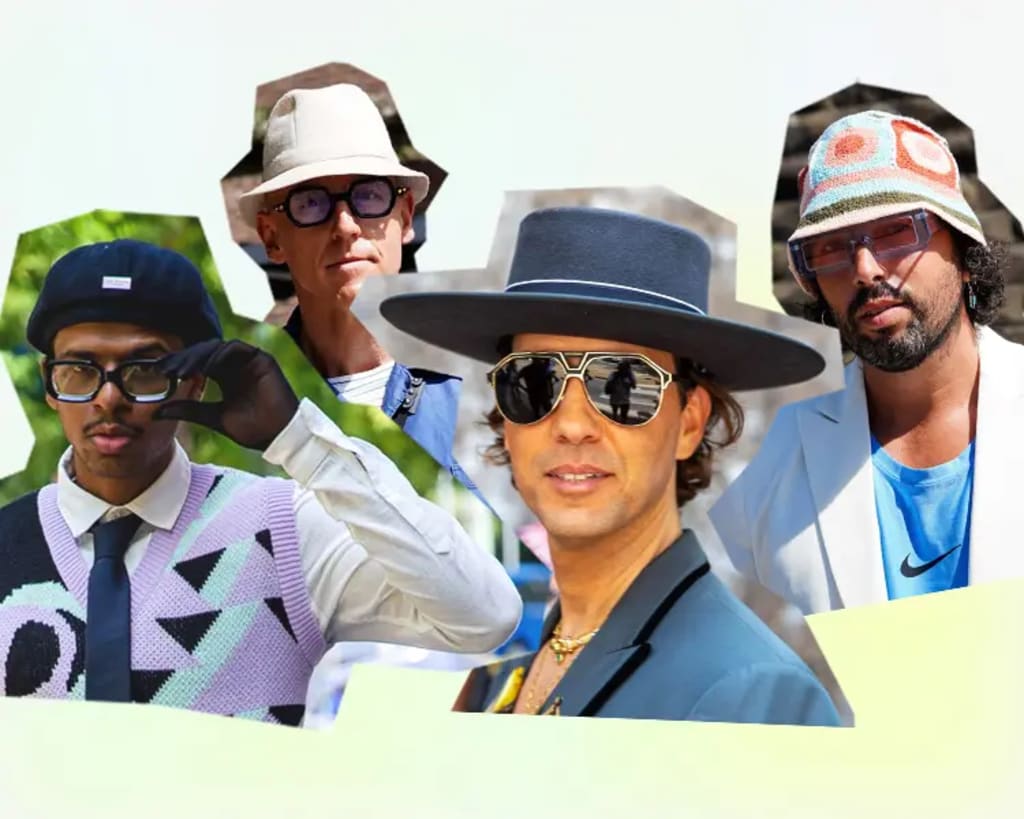
- Fashion Statement: The fedora, once a classic men's hat, has become a gender-neutral style icon. Beanies are no longer just for warmth; they're a quintessential streetwear accessory. Baseball caps, initially purely sporty, are now emblazoned with designer logos and worn as urban chic. The fascinator adds a touch of whimsical elegance to formal events.
- Sun Protection: In sunny climates like Cambodia, the practical aspect of a hat is ever-present. Wide-brimmed straw hats, bucket hats, and legionnaire hats are essential for protecting skin from the harsh sun, a critical health consideration.
- Personal Branding & Expression: Hats allow individuals to express their identity, affiliations, and mood. A vintage fedora might signal a love for retro style, a band's baseball cap showcases fandom, and a brightly colored beanie can add a playful touch to an otherwise simple outfit.
- Professional & Uniform: Certain hats remain integral to uniforms and professions, from chef's hats and military berets to hard hats on construction sites. These hats often carry symbolic meaning, denoting authority, skill, or safety.
- Cultural Significance: Many cultures around the world continue to use hats as powerful symbols of heritage, tradition, and identity. From the conical straw hats of Southeast Asia to the ornate feathered headdresses of indigenous communities, hats are integral to ceremonial dress and everyday life.
The enduring charm of the hat lies in its adaptability. It can be understated or flamboyant, practical or purely decorative. It can instantly transform an outfit, convey a message, or simply provide comfort. In an era where personal style is celebrated, the hat offers an accessible yet impactful way to make a statement. So, whether you're seeking protection from the Cambodian sun on a beach in Sihanoukville, adding a touch of flair to your ensemble, or simply appreciating a piece of history on your head, the humble hat continues to prove its timeless relevance, proving it's far more than just a piece of fabric and brim.
About the Creator
Keep reading
More stories from Kiko Purnama and writers in Journal and other communities.
Beyond Basic Shades: Your Guide to the Hottest Sunglasses Trends of 2025
Beyond Basic Shades: Your Guide to the Hottest Sunglasses Trends of 2025 Sunglasses are no longer just a practical shield against the sun; they're a powerful fashion statement, the ultimate finishing touch that can transform an entire look. As we step further into 2025, the eyewear landscape is buzzing with exciting trends, blending nostalgic nods with futuristic flair and a renewed emphasis on personal expression. So, whether you're a minimalist or a maximalist, there's a perfect pair of shades waiting to elevate your style.
By Kiko Purnama8 months ago in Journal
Smart phones, Humans and Aliens.
WARNING. I will be tapping into one of your favorite creative tensions: The absurdity of humans worshipping their glowing rectangles as if they were tiny oracles. There’s something deliciously poetic about that contradiction, and it lends itself beautifully to an instructive proviso.
By Novel Allen4 days ago in Poets



Comments
There are no comments for this story
Be the first to respond and start the conversation.