
Moderna hit with FDA refusal-to-file letter for mRNA flu shot, issues sharp rebuke of agency's rationale
Introduction: A Surprising Halt in the Race for Next-Gen Vaccines
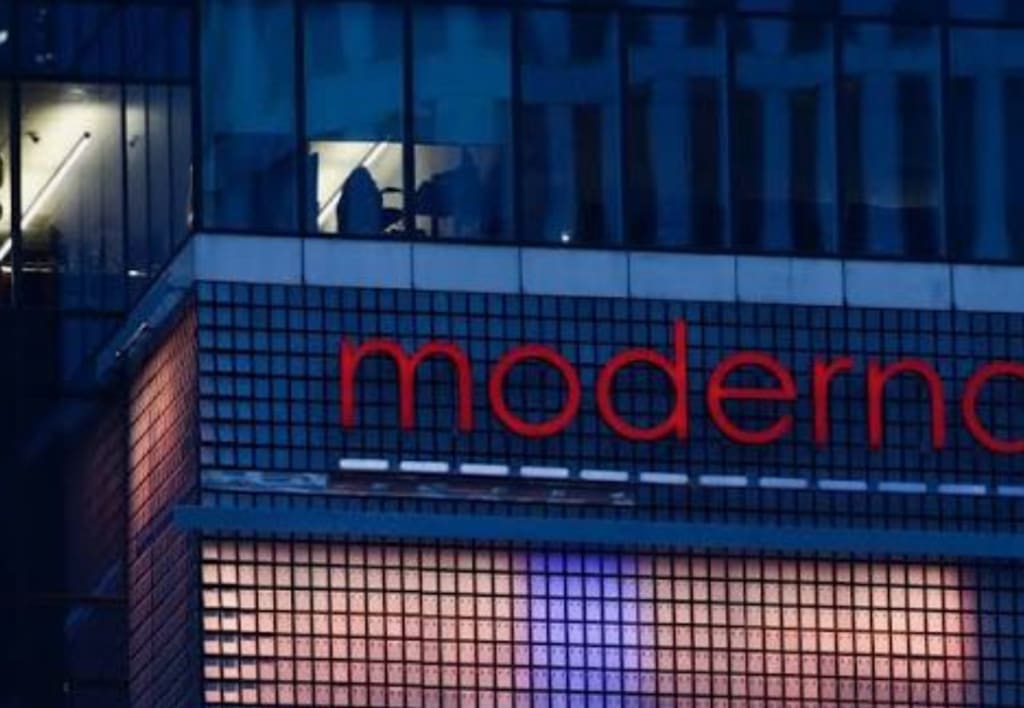
Moderna, a name synonymous with the success of mRNA technology during the COVID-19 pandemic, has been pushing hard to expand the reach of its platform into seasonal vaccines—especially influenza. With high expectations and ongoing global interest in the future of mRNA, the company was aiming to introduce one of the first-ever mRNA-based flu shots. But in a surprising twist, the U.S. Food and Drug Administration (FDA) issued Moderna a Refusal-to-File (RTF) letter, stopping the application before formal review could even begin.
An RTF letter is not a common occurrence for a company of Moderna’s scale. The decision has sparked an industry-wide conversation:
Is the FDA being overly cautious with emerging technologies, or did Moderna push its application prematurely?
The sharp rebuttal from Moderna against the FDA’s rationale indicates that this is more than a procedural disagreement—it’s a clash over scientific standards and regulatory expectations.
What Exactly Is an FDA Refusal-to-File Letter?
Before diving into the controversy, it’s important to understand what an RTF letter means. When a company submits a Biologics License Application (BLA), the FDA conducts a preliminary assessment to determine whether the filing is complete enough for a full review. If critical information is missing or inadequate, the FDA issues a Refusal-to-File letter.
In practical terms, an RTF letter means:
The FDA will not begin the review process.
The company must address deficiencies, add data, or correct documentation.
Approval timelines can be delayed by months—or even years.
For Moderna, this represents a significant setback. The company has been positioning itself as a leader in next-generation vaccines, and the mRNA flu shot is central to that vision. Having the FDA halt their application at the starting line suggests that regulators saw foundational gaps, not minor issues.
Moderna Pushes Back: “The FDA’s Position Is Not Scientifically Justified”
Moderna responded quickly and firmly to the FDA’s letter, expressing strong disagreement with the agency’s rationale. According to the company, the submitted data package:
Met all necessary scientific standards,
Contained sufficient safety and efficacy results from clinical trials,
Was aligned with what Moderna believed the FDA had previously communicated.
Their public statement criticized the FDA’s approach, calling it inconsistent and scientifically unfounded. Moderna emphasized that the clinical data gathered across multiple seasons and age groups clearly demonstrated their vaccine’s potential.
This kind of direct pushback against the FDA is rare. It underscores how much is at stake—not only for Moderna’s product pipeline but for the broader acceptance of mRNA platforms in routine vaccinations.
Why the FDA May Be Exercising Caution
From the regulator’s perspective, the stakes are also high. Influenza vaccines are administered annually to millions of people, including vulnerable populations. The FDA may be holding mRNA flu vaccines to higher scrutiny because:
mRNA-based flu shots are new territory for long-term seasonal use,
The immune response to flu strains can be more variable than for COVID variants,
Traditional flu vaccines rely on decades of safety and performance data,
Influenza strains mutate unpredictably, requiring strong evidence of consistency.
The FDA likely wants more assurance that an mRNA flu vaccine can be relied upon year after year. While Moderna believes it provided that evidence, the FDA appears to be requesting additional documentation, analysis, or clarity.
The Stakes for Moderna: More Than Just a Delay
This is not just a regulatory inconvenience—it's a critical moment for Moderna’s business model. The company has been working to reduce dependence on COVID-19 vaccine revenue by expanding into:
Flu vaccines,
RSV vaccines,
Combination respiratory vaccines,
Personalized cancer treatments.
The flu vaccine market alone is worth billions annually. Missing even one flu season due to regulatory delays could significantly impact revenue projections and investor confidence.
Moreover, Moderna is competing with Pfizer, Sanofi, and GSK, all of whom are also pursuing next-gen flu solutions. An FDA refusal gives competitors a window of opportunity.
What This Means for the Future of mRNA in Seasonal Vaccination
The dispute between Moderna and the FDA is bigger than a single vaccine. It raises broader questions about:
1. Regulatory standards for mRNA platforms
COVID-19 showed the world what mRNA can accomplish under emergency use. But seasonal vaccines require long-term consistency and reliability. The FDA may be defining new expectations for mRNA-based annual shots.
2. The pace of innovation
Pharma companies want to move quickly to market, especially with technologies that proved their value during the pandemic. Regulators, however, must balance innovation with patient safety.
3. Public perception
Any regulatory drama involving vaccines—especially new technologies—can influence public trust. Both the FDA and Moderna understand how important transparency and scientific rigor are for maintaining confidence.
What Happens Next?
Moderna now has several options:
Address the FDA’s concerns and resubmit the application,
Provide additional clinical data from ongoing trials,
Engage in further discussions with regulators to clarify expectations.
The company has stated it will “work swiftly” to get the application back on track, though it has not yet provided a resubmission timeline. The upcoming flu season adds pressure—delays could push the vaccine launch further into the future.
Conclusion: A Critical Crossroads for Moderna and mRNA Technology
The FDA’s Refusal-to-File letter is a significant setback for Moderna, but it is not the end of the road. What’s unfolding is a defining moment in the evolution of mRNA technology. Will the regulatory environment adapt to support innovative platforms? Or will companies like Moderna need to adjust their strategies and timelines to meet stricter expectations?
For now, the clash between Moderna and the FDA highlights an important reality:
Even groundbreaking technologies must pass through the same rigorous scrutiny as every other medical product. The outcome of this confrontation will shape not only Moderna’s future, but the trajectory of mRNA vaccines for years to come.
About the Creator
US Accuses China of Secret Nuclear Testing: A New Arms Race Shadow?
In a stark escalation of nuclear rhetoric, the United States publicly accused China of conducting covert nuclear explosive tests, breaching the long-standing global moratorium on such activities, the Comprehensive Nuclear-Test-Ban Treaty (CTBT)
By James Marinero5 days ago in Journal
Feelings Never Die
It is Valentine's Day again, and it bought back memories that were over fifty years old. It bought me back to 1971, and I woke up and I knew my baby was due today. I was big and pregnant, and I felt like I was about to burst wide open. Imagine my surprise when the doctor told my I had a due date of February 14. I couldn't believe it, and since my baby was due today, I felt I could indulge myself a bit. I had gained a lot of weight, and chocolate was on the no-no list, but I had came to the end of this pregnancy, and I hoped it would be okay, after all I would deliver this baby today. So I walked across the street to the grocery story, and bought myself, a peppermint patty, covered in chocolate, my favorite. Me and my Valentine's baby would enjoy it together.
By Susan Payton7 days ago in Fiction


Comments
There are no comments for this story
Be the first to respond and start the conversation.