
Mobile Apps in Healthcare: Enhancing Patient Engagement
Learn how mobile apps are changing healthcare by boosting patient engagement and helping people take charge of their health. Explore the future of health tech!
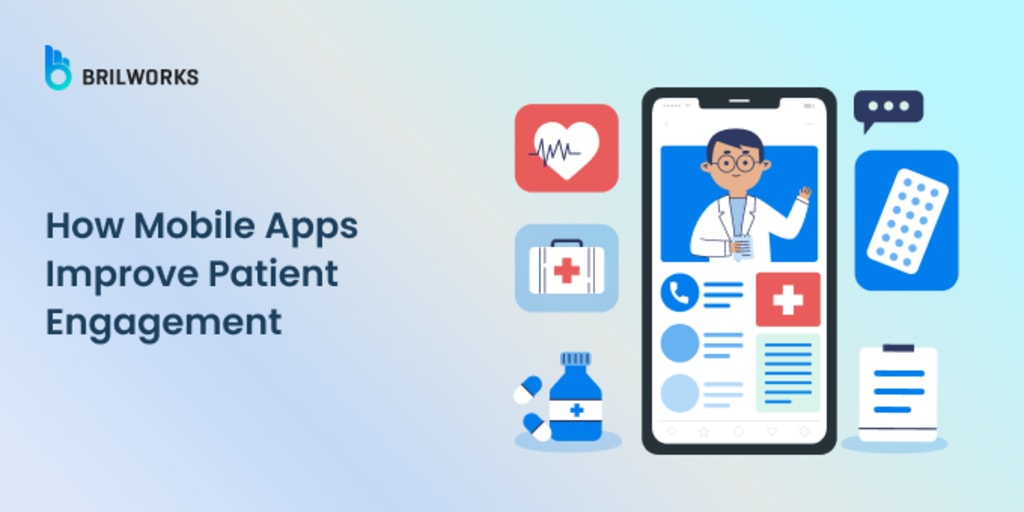
Staying connected to healthcare providers is getting easier every day, thanks to mobile health apps. Additionally, wearable technology is trending in mobile app development, raising the demand for improved and more efficient mHealth apps. From booking appointments to tracking medications, these apps are changing how patients interact with their healthcare. It’s no wonder the patient engagement solutions market is projected to hit $82.35 billion by 2032. More and more people are turning to their phones for healthcare support.
For patients, this means greater control over their health. Healthcare mobile apps for patients make it easy to access medical records, get reminders, and even consult doctors virtually. And for providers, it’s a chance to offer personalized care and build stronger patient relationships.
The Role of Mobile Apps in Patient Engagement
Gone are the days when patients had to wait weeks for an appointment or rely on paper records to track their medical history. Mobile health apps have made healthcare more accessible, giving patients the tools to manage their well-being with just a few taps on their phones. It’s no surprise that the global mHealth apps market is projected to reach $86.37 billion by 2030, growing at a rate of 14.9% annually.
These apps do more than just remind people to take their medications. They create a direct line of communication between patients and healthcare providers. Whether it’s booking a consultation, receiving lab results, or asking a quick follow-up question, everything happens in real time. This keeps patients engaged in their care instead of feeling lost between visits.
For doctors and hospitals, mobile apps help reduce administrative work. Automated appointment scheduling, digital prescriptions, and remote monitoring allow providers to focus more on patient care rather than paperwork.
In short, healthcare mobile apps for patients are changing how people experience healthcare — making it more interactive, efficient, and patient-centered.
Types of Healthcare Mobile Applications
Mobile health apps are transforming healthcare by providing tailored solutions for patients, doctors, and healthcare professionals. These apps help improve care, enhance patient engagement, and streamline healthcare processes. Below, we explore the various types of mobile applications designed for each group’s unique needs.
For Patients:
- Fitness and Wellness Apps
- Telemedicine and Virtual Care Apps
- Chronic Disease Management Apps
- Mental Health Apps
- Medication Management Apps
- Emergency and First Aid Apps
- Patient Portals and Health Records Apps
For Doctors:
- Medical Reference Apps
- Telemedicine and Virtual Consultation Apps
- E-Prescription Apps
- Clinical Decision Support Apps
- Medical Imaging Apps
- Patient Management Apps
For Healthcare Professionals:
- Clinical Collaboration Apps
- Remote Monitoring Apps
- Medical Research Apps
- Healthcare Analytics Apps
- Inventory and Supply Chain Management Apps
- Health and Safety Compliance Apps
Features of Mobile Health Apps That Improve Patient Engagement
If you are clear about your goal, which is to improve patient engagement through an app, then there are certain features that a healthcare app needs to have. The right features can turn a healthcare app into a powerful tool for patient engagement. Here’s a closer look at some of the most impactful features:
1. User Friendly Interface
For any app, UI/UX design is always appreciated. A simple and intuitive interface is crucial for ensuring that patients of all ages can use the app easily. A clutter-free design and clear navigation make it easy to access key functions like scheduling appointments, viewing health data, or contacting healthcare providers. When users can quickly navigate the app, it encourages them to engage more regularly, leading to better healthcare outcomes.
2. Personalized Dashboards
Mobile health apps with personalized dashboards allow patients to have everything they need in one place. Patients can track their appointments, medications, and health metrics — like blood pressure or glucose levels — all from a customizable dashboard. This personal touch not only improves the user experience but also helps patients stay on top of their health, making it easier to follow their treatment plan.
3. Telehealth Integration
Telemedicine has become a game-changer in healthcare, and integrating telehealth features into mobile apps is a big part of it. Patients can schedule and attend consultations with their doctors without leaving home, saving time and money. Whether it’s a quick check-in or a follow-up appointment, telehealth integration keeps patients engaged by offering easy access to healthcare providers whenever needed.
4. Secure Messaging
Secure messaging allows patients to contact their doctors or healthcare teams directly through the app. Instead of waiting for a phone call or an in-person visit, patients can send messages to ask questions, discuss symptoms, or clarify concerns. This feature fosters continuous communication and creates a stronger relationship between patients and their healthcare providers, increasing engagement.
5. Push Notifications & Reminders
Push notifications are an effective way to keep patients on track with their health journey. These reminders can notify users of upcoming appointments, medication schedules, or health tips. Not only does this help patients stay organized, but it also prevents missed doses or forgotten check-ups, ensuring that they stay engaged in their care plan.
Read the full article here.
About the Creator
Vikas Singh
Vikas is the Chief Technology Officer (CTO) at Brilworks, leads the company's tech innovations with extensive experience in software development. He drives the team to deliver impactful digital solutions globally.
Keep reading
More stories from Vikas Singh and writers in Journal and other communities.
How Much Funding You’ll Need for a Community Mental Health Clinic
Introduction Funding determines clinic viability. Community clinics require strong planning. Startup costs can be significant. Ongoing expenses must be covered. Financial preparation reduces risk. Services depend on stable cash flow. Community demand is growing. Access requires resources. Facilities need proper equipment. Staff require fair compensation. Compliance adds cost. Sustainable funding supports care. Budgeting ensures continuity. Financial clarity supports confidence. Underfunding creates failure. Preparation protects mission. Planning supports long-term success. Funding drives service delivery.
By Abdul Mueed6 days ago in Journal


Comments (1)
Follow back