
Mobile App Monitoring KPIs: What Every CTO Should Track
Learn how mobile app monitoring KPIs and metrics help CTOs track performance, optimize usability, and improve ROI.

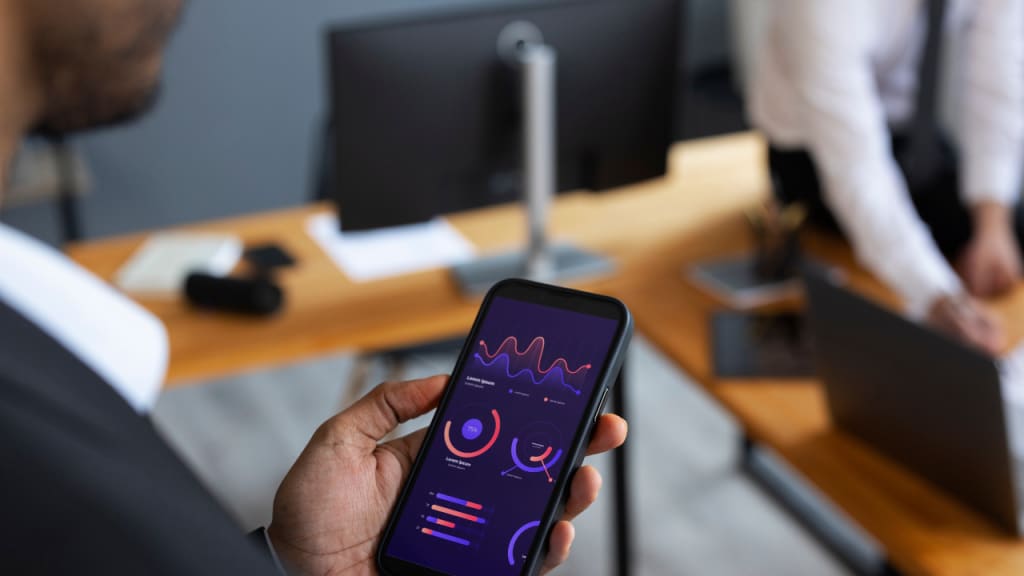
For the CTO, rolling out a mobile application does not just mean releasing it on the app stores; the difficult work begins once the app is live, and the CTO must monitor performance, ensure uptime, and track user engagement, all of which are instrumental in achieving growth and sustaining long-term success.
To remain at the forefront, leaders should look to meaningful insights that will document a number of things: the health of the application, the health of the business, etc.
The insights come from a number of mobile App Monitoring KPIs (Key Performance Indicators) that can help identify blockers sooner, performance bottlenecks, and overall user experience.
This content will explore useful mobile application metrics (monitoring), their role in application lifecycle management, and some of the best practices to use these metrics to align with your growth goals.
Essential KPIs for Mobile App Monitoring
Before we get into the tools and techniques, CTOs need to be able to identify which mobile app KPIs for CTOs are relevant to the decomposition of both performance and business results.
App Performance Metrics
App performance-based KPIs are at the heart of mobile app monitoring metrics. They include:
- Crash Rate: The KPI that measures how often the app crashes. Higher crash rates equate to a worse user experience.
- Load Time: This is the amount of time it takes your app to load and respond to the user’s action
- Error Rate: This measures failed requests and includes server failures and broken APIs.
- Network Latency: This tells you how quickly (and responsively) both data is being sent and received.
All of the above just provide you with an accurate indication that you are technically being efficient. The bottom line for the CTO is that you must record and monitor these mobile app KPIs consistently so that you can instill trust in your users.
User Engagement Indicators
Mobile app performance measures can't be complete without having an understanding of user behavior. Some metrics that can be tracked are:
- Daily Active Users (DAU) and Monthly Active Users (MAU): These metrics measure the stickiness of the app.
- Session Length and Frequency: The session length and frequency metrics exemplify how long the user engages (session length) and how often (session frequency).
- Retention Rate: Percentage of users who return after first usage.
- Churn Rate: Percentage of users who leave the app.
These mobile app growth metrics are useful to determine if features are resonating with users and whether retention strategies are in place.
Revenue and Business KPIs
Given that mobile apps can often be monetization engines, monitoring analytics of financial performance is a must. Some of the key performance indicators for mobile apps that can have the most impact are:
- Customer Lifetime Value (CLV): How much revenue does a user create over time?
- Average Revenue per User (ARPU): Measures profitability on the per-user level.
- Conversion Rate: Tracks how many free users convert to paying customers.
- In-App Purchase Revenue: Demonstrates value in in-app purchases.
When you connect analytical data on app usage back to business metrics, CTOs can evaluate ROI and scalability.
Mobile App Lifecycle Monitoring KPIs
A mobile app will advance over time, thanks to updates, user feedback, and the addition of new features. To track the lifecycle of a mobile app, you look at:
- Adoption rate of new features: Where you ask the question, do the updates provide value?
- Update success rate: Where you look at the reliability or stability of updates/ new releases.
- User feedback trends: Generally referred to Discovery Review and park days - looking at reviews and ratings in app stores.
Tracking and monitoring the lifecycle of a mobile app will support the product’s longevity and reduce the need for expensive app redesigns.
If you understand these basic KPIs, you will be able to select digital monitoring solutions that minimize the complexity of monitoring the mobile application lifecycle, informing tracking and reporting, and simplifying decision-making for technology executives.
Tools That Drive Mobile App Monitoring
After identifying the appropriate metrics, CTOs need reliable mobile app monitoring solutions to track, analyze, and act on key information without delays.
Tools for App Performance Monitoring
There are many platforms available that focus on tracking technical health:
- New Relic: best known for real-time performance tracking and error detection.
- AppDynamics: allows for deeper visibility into APIs, server load, and app flows.
- Firebase Performance Monitoring: provides latency, load time, and responsiveness information about the app.
These solutions allow for constant app performance monitoring and rapid response time to performance bottlenecks.
Tools for Mobile App Usage Analytics
Understanding mobile app usage analytics is essential for engagement and growth:
- Google Analytics for Firebase: tracks daily active users, retention, and acquisition pathways.
- Mixpanel: enables understanding of user journeys, funnels, adoption, and behavior.
- Amplitude: helps you get granular insights about what users are doing and what is leading to conversion.
These mobile app monitoring tools enable you to leverage data-driven strategies to understand what the numbers look like to help drive your growth.
Tools for Mobile App Lifecycle Monitoring
To manage the application using different versions and updates, we have the following tools available for mobile app lifecycle monitoring:
- Instabug: accepts bug reports, crash logs, or user feedback
- TestFairy: tracks app versions and improves release cycles
- Crashlytics: helps find issues in the post-deployment phase
All of these platforms will help CTOs stay in sync with mobile app monitoring best practices during the product life cycle.
Integrating Monitoring into Workflows
Knowing where your tools are is not enough; having them integrated into CI/CD pipelines means you are proactively monitoring your app. Developers and managers should have dashboards and alerts set up.
The right tools let CTOs look beyond the basic metrics to make sure mobile app monitoring KPIs integrate naturally into daily operations.
Best Practices for Monitoring Mobile Apps
After identifying KPIs and tools, the final step is mastering mobile app monitoring best practices that transform raw data into long-term business and technical advantages.
Prioritize Critical Metrics First
Not all key performance indicators for mobile apps hold equal weight. Focus on:
- Crash rate and retention for stability.
- Revenue per user for profitability.
- Engagement trends for long-term loyalty.
This ensures resource optimization without overwhelming teams.
Benchmark and Set Clear Targets
CTOs must set benchmarks based on industry standards or past performance. For example, aiming for a less than 1 percent crash rate or 40 percent monthly retention.
Automate Reporting and Alerts
Automated dashboards help track mobile App Monitoring KPIs in real time. Alerts can notify teams instantly when thresholds are crossed, reducing downtime and customer dissatisfaction.
Align Monitoring with Business Goals
Metrics are meaningful only if aligned with organizational objectives. For instance, tracking CLV is crucial if the business model is subscription-driven.
Regularly Review and Optimize Metrics
KPIs are not static. Revisiting them quarterly ensures they reflect evolving user behavior, market trends, and product changes.
Adopting these best practices ensures monitoring becomes a proactive growth enabler, keeping CTOs ahead in managing app stability, performance, and customer satisfaction.
Conclusion
Mobile app success depends on how well CTOs track and respond to critical KPIs. From performance and engagement to lifecycle and business metrics, effective monitoring is the foundation of sustainable growth.
By choosing the right tools and adopting best practices, mobile app development companies can create apps that are scalable, resilient, and user-focused. Mobile App Monitoring KPIs are not just about tracking issues; it is about unlocking long-term value and enabling confident decision-making.
About the Creator
Jessica Bennett
Jessica is an individual contributor for various leading publications. Writing about technology, design and the latest innovations is her primary knack. She also works for Unified Infotech, a technology service provider serving startups.
Keep reading
More stories from Jessica Bennett and writers in Journal and other communities.
Should You Choose Flutter or React Native for Mobile App Development
Flutter vs React Native, the debate goes on. You have a brilliant idea for mobile app development, but you are stumped because you don’t know which framework to choose. Should you opt for iOS, or would opting for Android be better? The answer lies in the selection of your framework, Flutter or React Native.
By Jessica Bennett7 months ago in Journal
Author’s Advice
If you would’ve asked me 20 years ago did I know I’d become a writer and an author, I would’ve said “nope, ain’t happening”. As fate would have it I did become an author and I can honestly say I’m loving it so far. It really does feel good to be a writer. I’ve learned a lot on this journey and I feel like with even me being as new to this world as I am, there’s some wisdom I need to share with every other aspiring author.
By Joe Patterson4 days ago in Journal




Comments