
Mastering the art of stealth savings: How to save money secretly
saving money
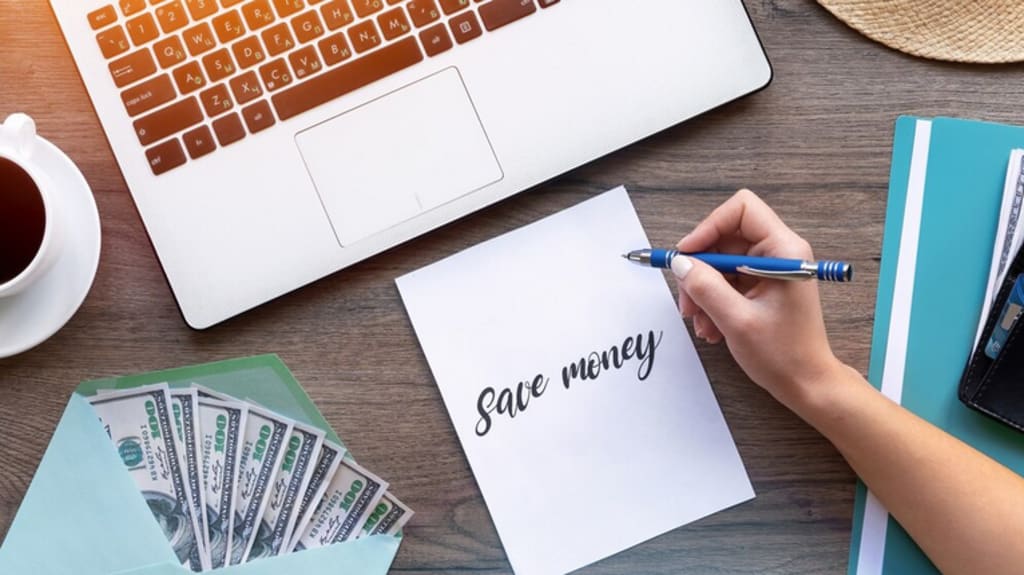
Introduction:
In a world where financial stability and independence are highly valued, saving money has become a crucial aspect of personal finance management. However, saving money isn't always as straightforward as it seems. Many individuals find it challenging to stick to a consistent savings plan due to various reasons such as unexpected expenses, impulsive spending habits, and societal pressure to maintain a certain lifestyle. This is where the concept of "stealth savings" comes into play – a creative approach to saving money discreetly without sacrificing one's quality of life. This article delves into the techniques and strategies involved in mastering the art of stealth savings.
Understanding Stealth Savings:
Stealth savings is the art of setting money aside without drawing attention to the act of saving itself. Unlike traditional methods of saving, which often involve visible transfers to separate accounts, stealth savings emphasizes the importance of maintaining a semblance of normalcy in daily financial activities. By adopting this approach, individuals can gradually build a healthy savings buffer without feeling deprived or restricted.
The Psychology Behind Stealth Savings:
The psychology of stealth savings revolves around behavioral economics principles. It capitalizes on the idea that people are more likely to succeed in saving money when they do not feel the immediate impact of the funds being diverted. How to save money secretly, individuals avoid the psychological strain associated with traditional savings methods that involve visible deductions from their spending pool.
Techniques for Mastering Stealth Savings:
a. Automated Transfers: One of the key strategies in stealth savings is to set up automated transfers to a separate savings account. By scheduling these transfers to align with one's payday, the act of saving becomes less noticeable, and the temptation to spend is reduced. Gradually increasing the transfer amount over time, in line with income increments, can significantly boost savings without disrupting one's lifestyle.
b. Round-Up Apps: Several financial technology apps offer round-up features, where transactions are rounded up to the nearest dollar, and the difference is transferred to a savings account. This micro-saving technique capitalizes on small, unnoticed amounts that accumulate over time to create a substantial savings fund.
c. Cash Envelope System: For discretionary expenses, adopting a cash envelope system can be effective. Allocate a set amount of cash for various spending categories, and once the envelope is empty, no more spending occurs in that category. This approach ensures conscious spending while enabling savings through natural limitations.
d. Invisible Income: Negotiating with employers for a portion of the salary to be directed into a separate savings account before it reaches the main account can create the illusion of a lower income. This encourages living within a more budget-conscious frame, and the saved amount remains untouched.
e. Subtle Lifestyle Adjustments: Making small, inconspicuous changes to daily routines can lead to substantial savings. For instance, substituting expensive daily habits with more economical alternatives, such as homemade coffee instead of café-bought, can accumulate significant savings over time.
Benefits of Stealth Savings:
a. Reduced Temptation: Stealth savings reduces the temptation to dip into the savings fund for impulse purchases. By saving discreetly, the mental association between available funds and spending remains intact, promoting better financial discipline.
b. Stress-Free Saving: Traditional savings methods can induce stress as individuals see visible reductions in their spending capacity. Stealth savings, on the other hand, offers a more relaxed approach by keeping the saved amount separate from regular spending.
c. Surprise Fund: The accumulated savings from stealthy techniques can serve as a surprise fund for unexpected emergencies or opportunities. This financial safety net provides peace of mind and enhances overall financial security.
Challenges and Precautions:
a. Account Monitoring: Regularly monitoring the separate savings account is essential to ensure the funds are accumulating as planned. Ignoring the account can lead to unexpected discrepancies.
b. Balancing Act: While the aim of stealth savings is to maintain a sense of normalcy, it's important to strike a balance. Cutting out essential expenses or depriving oneself excessively can lead to frustration and potential abandonment of the savings plan.
Conclusion:
Stealth savings is a powerful approach to building a financial cushion without disrupting one's lifestyle. By understanding the psychological underpinnings and implementing the various techniques mentioned, individuals can master the art of saving money secretly. The benefits of stealth savings, including reduced temptation, stress-free saving, and the creation of a surprise fund, contribute to enhanced financial security and overall well-being. However, it's crucial to approach stealth savings with caution, ensuring a healthy balance between saving and maintaining a comfortable lifestyle. Ultimately, adopting this approach can lead to greater financial resilience and a brighter financial future.
About the Creator
Keep reading
More stories from Joey Allison and writers in Journal and other communities.
The stealthy saver's guide: How to save money secretly
In a world dominated by consumerism and the constant pressure to spend, finding effective ways to save money can be a challenging endeavor. Financial stability and freedom are often achieved through strategic and conscious efforts to curb excessive spending and foster a habit of saving. This guide aims to shed light on the concept of "stealthy saving," a discreet and clever approach to "how to save money secretly" without feeling deprived or restricted. By incorporating these techniques into your lifestyle, you can build a solid financial foundation while enjoying the benefits of a more secure future.
By Joey Allison3 years ago in Journal
Organizing Time
If time is money, then it seems pretty important to save time, right? So, the next thing that can help save you money is your organizational skills. Now, this might not seem like it makes a lot of sense. What does organization have to do with money? Well, if you already have the things that you need to get your day going ready, you don’t have to spend the time getting them together, and all of that time that you save at the end of the day adds up. This allows you to get more done, and it might give you more time to do the things that you want. So, in a way, being organized can save you money.
By Nicole Higginbotham-Hoguea day ago in Journal
Magic
Note from the Author: I want to let you know that this is an unusual story, and it has been written purely from whatever is in my unconscious mind, because before I start writing, I get into a flow state that reaches my unconsciousness. I also write in my subconscious mind, which is like a mid-flow state between the conscious and unconscious mind.
By Denise Larkinabout 13 hours ago in Fiction



Comments
There are no comments for this story
Be the first to respond and start the conversation.