
Maritime Safety: Protecting Lives at Sea
Safety are crucial aspect of maritime lives and crews

Introduction:
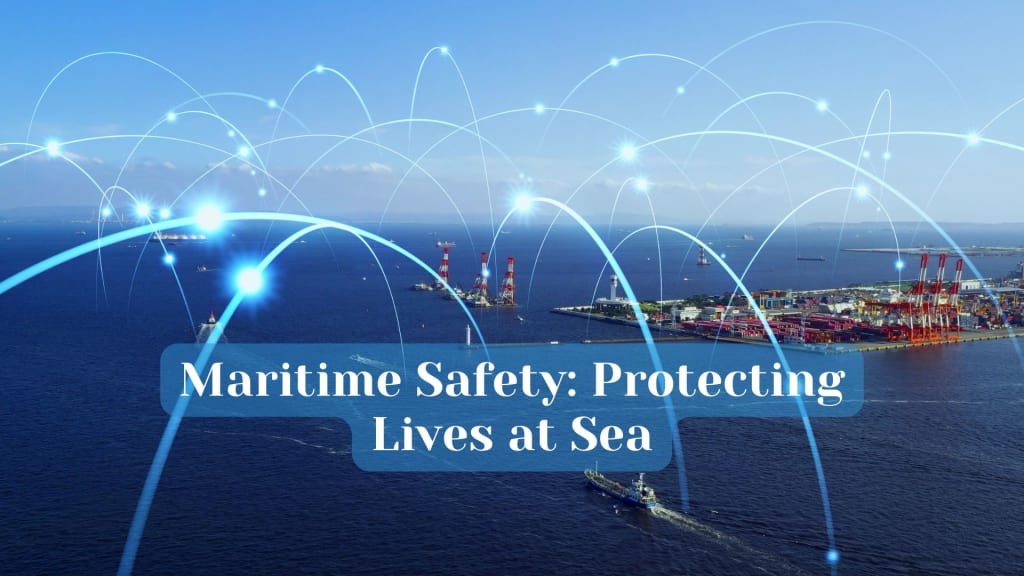
Maritime safety is a critical aspect of the shipping industry that affects millions of lives worldwide. From commercial vessels traversing vast oceans to recreational boats cruising coastal waters, ensuring the safety of crew, passengers, and cargo is paramount. This blog post will explore the various facets of maritime safety, discussing key protocols, technological advancements, and the importance of ongoing vigilance in the maritime sector.
The Foundations of Maritime Safety
At its core, maritime safety revolves around preventing accidents, protecting human life, and safeguarding the marine environment. The International Maritime Organization (IMO) plays a crucial role in establishing and maintaining global standards for maritime safety. These standards cover a wide range of areas, including ship design, construction, equipment, operation, and crew training.
One of the cornerstones of maritime safety is the International Convention for the Safety of Life at Sea (SOLAS). This treaty sets minimum safety standards for merchant ships, covering aspects such as stability, fire protection, life-saving appliances, and navigation equipment. Compliance with SOLAS regulations is mandatory for ships engaged in international voyages, ensuring a baseline of safety across the global fleet.
Training and Human Factors
While regulations and equipment are essential, the human element remains at the heart of maritime safety. Proper training of crew members is crucial in preventing accidents and responding effectively to emergencies. Maritime academies and training centers worldwide focus on developing skills in navigation, emergency procedures, firefighting, and first aid.
Moreover, addressing human factors such as fatigue, stress, and communication barriers is vital for maintaining a safe maritime environment. Many accidents at sea can be attributed to human error, often resulting from overwork or miscommunication. Implementing proper work-rest schedules and fostering a culture of open communication on board vessels are key strategies in mitigating these risks.
Technological Advancements in Maritime Safety
In recent years, technological innovations have significantly enhanced maritime safety. Advanced navigation systems, including Electronic Chart Display and Information Systems (ECDIS) and Automatic Identification Systems (AIS), have improved situational awareness and collision avoidance capabilities.
Satellite communication systems have revolutionized emergency response at sea, allowing for rapid coordination of search and rescue operations. Additionally, improvements in weather forecasting technology have enabled ships to better anticipate and avoid dangerous weather conditions, a crucial aspect of maritime safety.
Read More: The Future of Maritime Giants: The World's Largest Container Ships in 2024
Environmental Considerations
Maritime safety extends beyond protecting human life to safeguarding the marine environment. The prevention of oil spills and other forms of pollution is a critical component of modern maritime safety protocols. Regulations such as the International Convention for the Prevention of Pollution from Ships (MARPOL) set standards for preventing pollution from vessels, whether operational or accidental.
Furthermore, the shipping industry is increasingly focusing on reducing its environmental impact through the use of cleaner fuels and more efficient ship designs. These efforts not only contribute to environmental protection but also enhance overall maritime safety by reducing the risk of accidents related to fuel handling and storage.
Challenges and Future Directions
Despite significant improvements in maritime safety over the years, challenges remain. Piracy and armed robbery at sea continue to pose threats in certain regions, requiring ongoing vigilance and international cooperation. Cybersecurity has also emerged as a growing concern, with the increasing digitization of ship systems creating new vulnerabilities.
Looking to the future, the development of autonomous vessels presents both opportunities and challenges for maritime safety. While these ships have the potential to reduce human error, they also raise questions about liability, emergency response, and the need for new regulatory frameworks.
Climate change is another factor that will increasingly impact maritime safety. Rising sea levels, more frequent extreme weather events, and changing ice conditions in polar regions will require adaptive strategies to ensure the continued safety of maritime operations.
Conclusion:
Maritime safety is a multifaceted and ever-evolving field that requires constant attention and innovation. From international regulations and crew training to cutting-edge technology and environmental considerations, numerous factors contribute to creating a safe maritime environment. As the shipping industry continues to grow and adapt to new challenges, maintaining a strong focus on safety will remain crucial.
The responsibility for maritime safety lies not just with regulators and ship operators, but with everyone involved in the maritime sector. By fostering a culture of safety, investing in training and technology, and remaining vigilant to new and emerging risks, we can continue to improve safety at sea and protect the lives of those who work on and travel by ship.
What are your thoughts on maritime safety? Have you had any experiences or observations related to safety at sea? We invite you to share your perspectives in the comments below. Your insights could contribute to the ongoing dialogue on this critical topic and help shape the future of maritime safety practices.
About the Creator
Keep reading
More stories from Johnny Cash and writers in Journal and other communities.
The Future of Maritime Giants: The World's Largest Container Ships in 2024
In the ever-evolving world of maritime engineering, 2024 marks a significant milestone with the advent of the world's largest container ships. These colossal vessels are not just marvels of modern engineering but also epitomize advancements in design, efficiency, and environmental sustainability. Let's delve into the details of some of the most impressive giants ruling the seas today.
By Johnny Cash2 years ago in Journal
Why Ancient Goldsmithing Still Outperforms Modern Machines
In an age defined by automation and digital precision, it is easy to assume that machines have replaced traditional craftsmanship in nearly every industry. Jewellery, however, tells a different story. While 3D printers and computer-guided tools dominate headlines, one of the oldest techniques in metalworking continues to hold its ground: the lost-wax casting method.
By Md Mehedi Hasan Rifad3 days ago in Journal


Comments
There are no comments for this story
Be the first to respond and start the conversation.