
Man Uses Brain Implant to Control iPad with His Mind
A breakthrough for people with disabilities and a peek at the future of technology

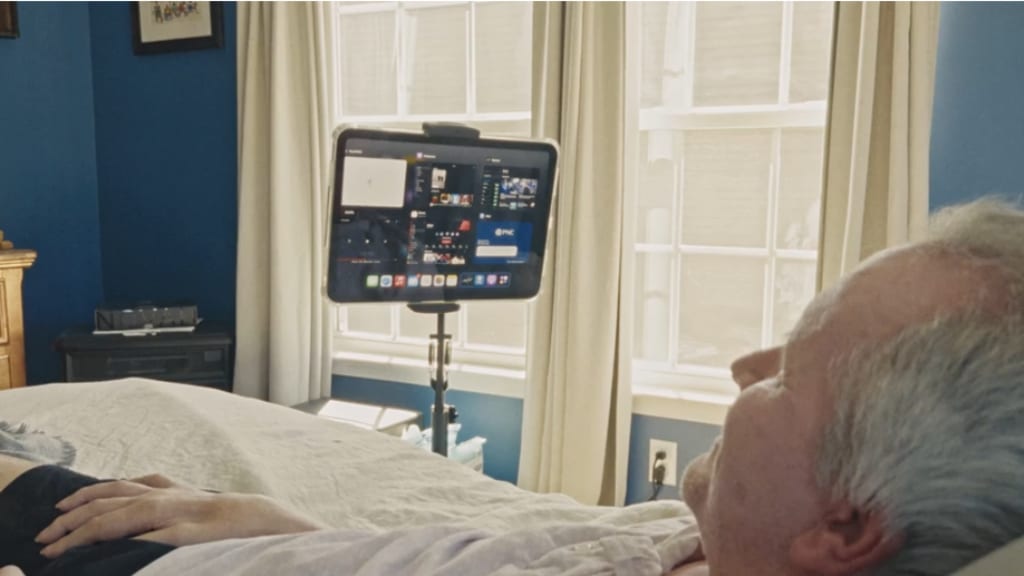
A man has used a brain implant to control an iPad — not with his hands, but with his mind. The implant reads signals from his brain. Then it sends those signals to the iPad. With this system, the man can move the cursor, type, and use apps. This achievement shows how far brain-computer technology has come.
What Happened
The man had a small chip placed inside his brain. This chip connects to a computer system. When he thinks of a movement or a letter, the implant picks up the signal. The computer interprets the signal and sends a command to the iPad.
Over time, the system “learns” his brain patterns. The better it learns, the more accurate and faster the control becomes. What once took effort now works smoothly. The man says he feels a bit of mental effort, but the result is clear: he uses the iPad almost like a regular user.
Why This Matters
For many people, especially those with paralysis or severe injury, this technology can change their daily life. They might not be able to use a keyboard or mouse. But with a brain implant, they can still type, draw, or control a device.
This kind of control gives people independence. It helps them communicate, work, or learn. It reduces reliance on caregivers for simple tasks. It also offers hope: technology can restore abilities once believed lost.
How the Technology Works — Simply Explained
The system has three parts:
- Brain implant: This tiny device sits inside the skull. It touches a part of the brain that controls thought or intention.
- Decoder software: This software reads brain signals and figures out what the person wants to do (move cursor, press a button, etc.).
- Device interface: The computer sends commands from the decoder to the iPad. The iPad responds as if a finger or stylus touched the screen.
Together, these parts let the user “think” actions. The system turns thoughts into digital commands.
Over time, the decoder improves. It adapts to the user’s brain patterns. This makes control smoother and faster. It also reduces mistakes.
What the User Says
The man shared his experience: at first, he had to think hard about simple moves. He focused when selecting letters or apps. It felt new and strange. But as days passed, control got easier. He now can type messages, browse the web, and watch videos. He said the feeling is almost natural.
He added that this tool does not replace everything. Physical therapy, rest, and mental focus still matter. But for him, the implant gives a new way to use technology — a way he thought lost forever.
He also mentioned the freedom: he does not need help to send a text or open a browser. This independence matters more than the technology itself.
The Wider Impact
This success signals a big change for assistive technology. Scientists have worked on brain-computer interfaces (BCI) for decades. Many experiments stayed in labs. But real-world use was rare. This case shows BCI moving into real life.
For disabled people, the new option becomes real. They may not need special physical tools like adapted keyboards. Instead, brain implants + smart devices could give them normal access to digital life.
This also opens doors for research. As more people test implants, scientists learn more about brain signals and human-machine interaction. That knowledge can lead to safer implants, better software, and more affordable systems.
Challenges and Ethical Questions
The breakthrough is exciting — but it also raises questions.
- Safety: Brain surgery is not simple. Implants must stay safe over years. Risks exist: infection, signal damage, and hardware failure.
- Privacy: Brain data is deeply personal. The system must protect thoughts and neural data. Who sees the signals? Who controls them?
- Access: Such implants and systems may cost a lot. Not everyone will afford them. Accessibility and fairness matter.
- Reliability: Brain signals vary with mood, fatigue, or health. The system needs to cope with these changes for reliable control.
Society must handle these challenges carefully. Regulation, medical standards, and user consent need strong rules.
What the Future Might Hold
If this technology develops further, many new possibilities emerge.
- People with paralysis could regain digital independence.
- Devices could adapt to subtle thoughts, not only clear commands.
- Artists might draw, compose music, or write without hands.
- Remote work and communication could become easier for many disabled people.
- Everyday devices — tablets, smart homes, wheelchairs — might accept brain commands.
The idea is simple: mind meets machine. Humans control tech directly with thought.
If engineers and doctors collaborate, brain-computer interfaces might become safer, cheaper, and common.
One day, implants might be optional, wireless, and tiny. They could work as normal as glasses or hearing aids.
Final Thoughts
This case of a man controlling an iPad with a brain implant shows a major step forward. It is not science fiction — it is real, now. The technology gives hope, independence, and possibilities to people who lost mobility.
At the same time, it reminds us: with great technology comes great responsibility. Safety, ethics, fairness, and privacy must stay central.
But for now, the message is clear: the human mind, combined with smart technology, can still do incredible things. Technology may not replace what was lost — but it can help people live better, speak, create, and connect again.
And that makes all the difference.
About the Creator
Shakil Sorkar
Welcome to my Vocal Media journal💖
If my content inspires, educates, or helps you in any way —
💖 Please consider leaving a tip to support my writing.
Every tip motivates me to keep researching, writing, sharing, valuable insights with you.
Keep reading
More stories from Shakil Sorkar and writers in Journal and other communities.
iPhone 17 Pro Introduces Advanced Camera Technology
The iPhone 17 Pro brings new technology to smartphone photography. Apple has updated its cameras with advanced sensors, better lenses, and improved image processing. These changes aim to enhance photo and video quality across a variety of lighting conditions. The updates have caught the attention of photographers, tech reviewers, and everyday users.
By Shakil Sorkar4 months ago in Journal
Author’s Advice
If you would’ve asked me 20 years ago did I know I’d become a writer and an author, I would’ve said “nope, ain’t happening”. As fate would have it I did become an author and I can honestly say I’m loving it so far. It really does feel good to be a writer. I’ve learned a lot on this journey and I feel like with even me being as new to this world as I am, there’s some wisdom I need to share with every other aspiring author.
By Joe Patterson2 days ago in Journal




Comments
There are no comments for this story
Be the first to respond and start the conversation.