
Maha Kumbh: Timeless Spiritual Gathering
Maha Kumbh Mela

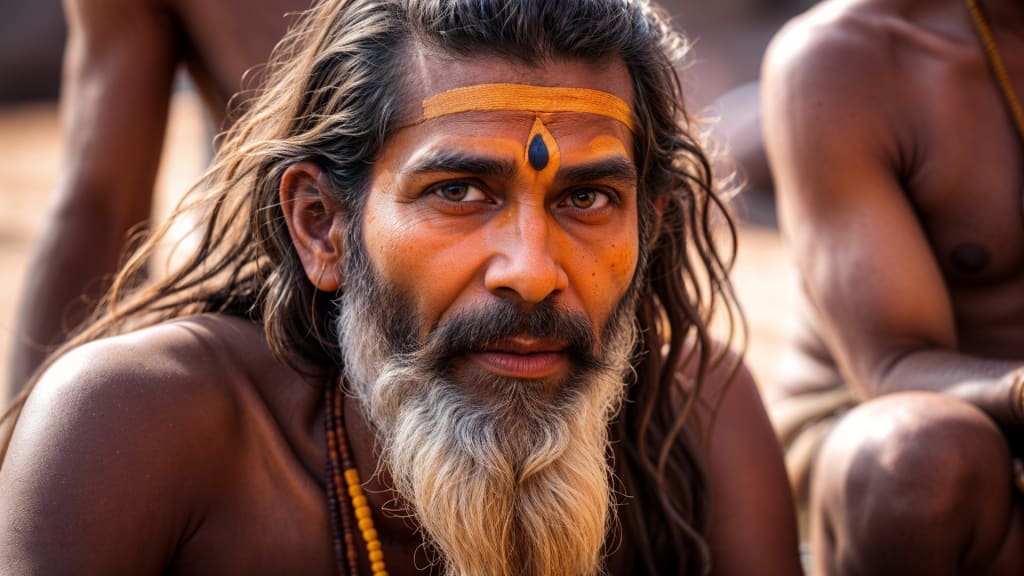
The Maha Kumbh Mela is not only the world’s largest spiritual gathering, it is a cosmic convergence of spirituality, tradition, and humanity. Held every 12 years at the confluence of the Ganges, Yamuna, and the mythical Saraswati rivers, it represents the zenith of India’s cultural and spiritual heritage. This grand festival, considered the largest human gathering on Earth, draws millions of devotees, sages, and seekers from across the globe, all united by a shared quest for spiritual enlightenment and liberation. The origins of the Maha Kumbh are deeply rooted in ancient mythology, stemming from the churning of the cosmic ocean (Samudra Manthan) and the pursuit of Amrita, the nectar of immortality.
The festival’s significance transcends religious boundaries, offering profound lessons in unity, devotion, and the human spirit’s resilience. It embodies the principle of “Vasudhaiva Kutumbakam” — the world as one family — demonstrating the harmonious coexistence of diverse cultures and beliefs. The sacred act of bathing in the holy rivers during the Kumbh symbolizes a spiritual cleansing, a renewal of the soul, and the shedding of karmic burdens.
In an era marked by environmental challenges, social divisions, and spiritual disconnection, the Maha Kumbh serves as a timeless beacon of hope and harmony. It invites us to reconnect with our roots, reflect on our purpose, and embrace the universal values of compassion, unity, and reverence for nature. This exploration delves into the Maha Kumbh’s significance, its timeless wisdom, and the profound impact it continues to have on humanity.
The Kumbh Mela has been celebrated for thousands of years and is often mentioned in ancient texts, such as the Puranas and the Mahabharata, which describe the legendary origin of the Mela. The name itself is derived from the Sanskrit word Kumbha, meaning pot, and refers to the pot that emerged during the Samudra Manthan (churning of the ocean). The pot contained amrita (nectar), which granted immortality. The gods and demons fought for possession of the amrita, and drops of this nectar were believed to have fallen in four locations, which later became the venues for the Kumbh Mela.
The word “Mela” means a gathering or fair, and Kumbh Mela is a convergence of millions of devotees from all walks of life. Originally, the event was celebrated sporadically but later became a fixed event every 12 years at each of the four sacred sites, a period linked to the planetary cycles. The Maha Kumbh, however, is a unique gathering held when the alignment of the stars and planets is believed to be exceptionally auspicious, which is why it is celebrated only once every 144 years.
Cosmic Symbolism of Kumbh
The very term “Kumbh” refers to a sacred vessel or pot, often depicted as a container that holds the nectar of immortality — amrita. In Hindu mythology, the churning of the ocean (Samudra Manthan) is a cosmic event where gods and demons strive to obtain the nectar, and in the process, a pot of it is spilled into the holy rivers. This event marks the origin of the Kumbh Mela.
The symbolism of the Kumbh as a vessel is rich with cosmic meanings. The pot itself represents the universe and the potential for divine wisdom and purity. It serves as a metaphor for the soul that holds the essence of existence — the nectar of immortality that is sought after by all beings. The nectar represents the ultimate truth and spiritual liberation, a state of oneness with the divine.
Moreover, the Kumbh is not only about the sacred pot itself but also about the gathering of the cosmic forces that align during this period. The astrological alignments, including the movement of Jupiter, Sun, and the Moon, create a celestial window that allows the energies of the universe to flow freely, providing an opportunity for spiritual awakening and purification. The location of the Kumbh sites, where the rivers meet, enhances this connection between the earthly and celestial realms.
Astronomical and Astrological Dimensions
The Maha Kumbh Mela is not just a religious observance; it is intricately connected to the cosmic cycles, particularly the movements of celestial bodies. The alignment of planets, stars, and the positioning of the zodiac plays a pivotal role in determining the timing and significance of the event.
In astrology, the alignment of certain celestial bodies is considered to create a unique moment in time when the spiritual energies of the universe are most potent. The Maha Kumbh Mela occurs when the planet Jupiter (Guru) enters Aquarius (Kumbha), and the Sun and the Moon are in a particular position, forming a rare and auspicious conjunction. This cosmic alignment is believed to open a window of divine energy, during which devotees can receive spiritual blessings and attain purification.
The timing of the Kumbh Mela is also influenced by the position of the moon, which governs the tides of the river and is considered an important factor in the sacred bath. The river’s flow is believed to synchronize with the cosmic forces at this time, allowing the water to cleanse the soul, remove past karmas, and provide new spiritual growth.
In particular, the zodiac signs of Pisces and Aries hold special significance during the Maha Kumbh. Pisces is often associated with spiritual transcendence, while Aries represents the fire of renewal and transformation. When these signs dominate the celestial configuration, they symbolize the dual forces of the universe — spiritual depth and dynamic rebirth — both of which are central themes of the Kumbh Mela.
Myth of the Samudra Manthan (Churning of the Ocean)
To understand the cosmic importance of the Kumbh Mela, one must delve into the myth of the Samudra Manthan, or the churning of the ocean, which lies at the heart of this event. According to Hindu mythology, the gods and demons once sought to obtain the nectar of immortality by churning the cosmic ocean. As they worked together, the ocean produced various treasures, including the pot (Kumbh) that contained the nectar of immortality, also known as amrita.
However, during the churning process, the pot was spilled, and its contents were scattered across the earth. It is believed that the drops of amrita fell into four sacred locations — Allahabad (Prayagraj), Haridwar, Nashik, and Ujjain — giving rise to the Kumbh Mela at each of these sites. The story of the Samudra Manthan represents the cosmic struggle between creation and destruction, light and dark, and the pursuit of immortality.
The Kumbh Mela thus symbolizes the eternal search for divinity and spiritual awakening. The pot itself, as a cosmic vessel, signifies the container of consciousness, holding the divine nectar of wisdom, which can be accessed during this auspicious time. The act of bathing in the holy rivers during the Mela is seen as a way to purify the soul, drawing closer to the divine nectar and, by extension, immortality and liberation (moksha).
The cosmic struggle of the gods and demons during the churning also serves as a metaphor for the inner conflict that all individuals face in their spiritual journey. It teaches that divine wisdom is attained through both effort and grace, and that moments of spiritual victory come when one is aligned with the cosmic forces.
Role of Time in Maha Kumbh
Time, as understood in Hindu philosophy, is cyclical rather than linear. The Maha Kumbh Mela, occurring once every twelve years, represents a moment of cosmic harmony within the larger rhythm of the universe. The twelve-year period is symbolic of the natural cycle of life, death, and rebirth, and reflects the periodic nature of both the cosmic and human experiences.
In Hindu cosmology, the world is said to go through four distinct Yugas (ages) — Satya Yuga (the Golden Age), Treta Yuga, Dvapara Yuga, and Kali Yuga (the current age of darkness and materialism). Each Yuga has its own qualities, and the Maha Kumbh Mela is believed to represent a spiritual awakening that transcends the limitations of Kali Yuga. The periodic nature of the Kumbh Mela marks an opportunity for humanity to reconnect with higher consciousness and cosmic order, offering a chance for renewal, purification, and spiritual progress.
Furthermore, the concept of time in Hinduism is intricately tied to the movement of the stars and planets. The periodic alignment of these celestial bodies creates what is known as a “cosmic moment,” which allows for the flow of divine energy. The Maha Kumbh Mela, by aligning with this cosmic timing, becomes a sacred event where time and space converge, creating a unique opportunity for spiritual elevation.
Maha Kumbh as a Cosmic Festival
The gathering of millions of people at the Kumbh Mela is not merely a large social or religious event — it is a gathering of collective consciousness. The collective energy generated during the Mela is seen as a powerful force, aligning the participants with the cosmic rhythms. The act of coming together in such vast numbers amplifies the spiritual energy, allowing individuals to access higher states of consciousness and connect with the divine.
The festival’s cosmic nature is reflected in the rituals and practices that take place. Pilgrims perform ritualistic bathing in the holy rivers, which is believed to wash away past sins and purify the soul. This ritual not only cleanses the body but is seen as a symbolic rebirth, representing the death of the old self and the birth of a new, enlightened self. The moment of immersion is seen as a cosmic alignment where the individual merges with the divine flow of energy, reconnecting with the universal source.
The importance of the Kumbh Mela lies not only in the rituals performed but also in the state of mind and consciousness of the participants. During this time, people transcend the material world and focus on their spiritual growth, creating a collective atmosphere of divine grace. The Mela becomes a microcosm of the universe, where each participant, through their devotion and spiritual practices, contributes to the larger cosmic order.
Science of the Mela
While the Maha Kumbh Mela is steeped in mythology and spirituality, there are also scientific perspectives that help explain the event’s significance. Many devotees believe that the timing and location of the Kumbh Mela have tangible health benefits. The water in the holy rivers — such as the Ganges, Yamuna, and Saraswati — is considered to possess healing properties, with ancient texts describing it as having purifying and therapeutic qualities.
Modern scientific studies have explored the potential benefits of bathing in these rivers. Some studies suggest that the mineral-rich waters of these holy rivers contain specific bacteriological and medicinal properties, which may aid in detoxification and improve the immune system. Furthermore, the Kumbh Mela is located in areas of India where the earth’s magnetic and geomagnetic fields are strong, and many believe that these fields create an environment conducive to spiritual awakening and healing.
Psychologically, the collective experience of millions of people coming together in devotion also has a profound impact. Studies in collective consciousness have shown that large gatherings of people can elevate the energy of the group, creating a powerful psychic field that enhances individual and collective well-being. The Maha Kumbh, therefore, represents not only a spiritual event but a convergence of energies — both earthly and cosmic — that promotes healing, transformation, and enlightenment.
Future of Maha Kumbh as a Cosmic Event
As the world becomes increasingly modern and interconnected, the significance of the Maha Kumbh Mela has not waned. Rather, it has adapted to the changing times while retaining its core essence as a cosmic event. The future of the Maha Kumbh Mela lies in its ability to bridge the spiritual and material worlds, offering humanity a space for spiritual renewal, community bonding, and connection with the cosmos.
One of the key aspects that ensures the continuity of the Kumbh Mela is its timeless relevance. While the world undergoes technological advancements, environmental challenges, and social shifts, the fundamental human need for spiritual awakening and connection with the universe remains unchanged. In the modern age, people continue to seek answers to existential questions about life, death, and the cosmos. The Kumbh Mela provides a moment in time when individuals can step away from the hustle of daily life and immerse themselves in the divine flow of cosmic energy.
The advent of digital technology and social media has also contributed to the spread of awareness about the Kumbh Mela, bringing the event to the global stage. Thousands of people who cannot physically attend the Mela now follow it online, watching the rituals, listening to spiritual talks, and even participating in virtual pilgrimages. This broadens the reach of the Mela, allowing people from diverse cultural and religious backgrounds to engage with the event, learn about its spiritual significance, and be inspired by its teachings.
As climate change and ecological challenges become pressing global issues, the sacred rivers where the Kumbh Mela takes place, especially the Ganges, face significant environmental challenges. However, the Mela also serves as a platform for environmental awareness, with efforts being made to clean and preserve these sacred waters. The future of the Maha Kumbh may involve not only spiritual rejuvenation but also a renewed commitment to ecological preservation and sustainability.
In this way, the cosmic significance of the Kumbh Mela is twofold: it represents a timeless spiritual tradition and a call to action for the protection of the planet that sustains it. The alignment of the event with cosmic rhythms underscores the need for balance and harmony, both within and outside ourselves.
Connection Between Humanity and the Cosmos
The Maha Kumbh Mela has stood the test of time, not just as a religious festival, but as a cosmic event that touches upon the deepest aspects of human existence. It reflects the ancient understanding that humanity is not separate from the cosmos but is intrinsically connected to it. The universe, with all its celestial movements and cosmic forces, plays a crucial role in shaping the experiences of individuals and societies. The Kumbh Mela reminds us that we are part of a much larger, interconnected whole.
This cosmic connection is rooted in the Hindu worldview, where the universe is seen as cyclical and ever-changing. Just as the Kumbh Mela happens at specific intervals, the universe itself operates in cycles of creation, preservation, and destruction. By participating in the Mela, individuals align themselves with this cosmic rhythm, transcending their individual limitations and connecting to the divine flow of energy.
The spiritual practices associated with the Kumbh Mela — meditation, prayer, and ritual bathing — are all intended to facilitate this alignment with the cosmos. The act of purifying oneself in the sacred waters is symbolic of the purification of the mind, body, and soul, allowing individuals to reconnect with their true nature and their place in the universe. This connection with the divine is not limited to a single life or time period but is part of the eternal cycle of rebirth and spiritual evolution.
Furthermore, the Kumbh Mela’s emphasis on collective consciousness and unity is a vital aspect of its cosmic significance. In Hindu philosophy, the idea of “yajna” or collective offering plays a central role. When millions of people gather for a shared purpose, they create a powerful energy field that extends beyond the individual, amplifying their spiritual potential. This collective energy is thought to influence the cosmic order, bringing balance and harmony to the world.
Bridge Between Material and Spiritual Worlds
One of the unique aspects of the Maha Kumbh Mela is its ability to blend the material and spiritual worlds. While it is an event deeply rooted in spiritual practices, it also has profound social, cultural, and even economic implications. The gathering itself becomes a crossroads where the sacred and the secular meet, and where individuals from all walks of life can experience both material and spiritual benefits.
The pilgrimage to the Kumbh Mela is often seen as a journey toward self-realization and liberation. However, the event also fosters social interaction, community building, and the exchange of knowledge and wisdom. People from various regions of India and beyond come together, sharing their traditions, experiences, and stories. This exchange creates a rich tapestry of cultural diversity, allowing for the transmission of ancient wisdom and practices in the context of the modern world.
Additionally, the presence of ascetics, spiritual leaders, and philosophers at the Kumbh Mela offers a unique opportunity for individuals to engage with profound teachings. The presence of these spiritual guides further bridges the material and spiritual realms, as they offer practical guidance for navigating the challenges of life, while also pointing towards the transcendent truths of the cosmos.
The Maha Kumbh Mela also serves as a reminder that the pursuit of material success and the quest for spiritual awakening are not mutually exclusive. The event teaches that true prosperity is not only financial or material, but is found in spiritual fulfillment and alignment with the cosmic order. The Kumbh Mela, as a cosmic event, invites participants to explore the delicate balance between the two and to strive for harmony in all aspects of life.
Cosmic Lessons
The Maha Kumbh Mela offers profound cosmic lessons that extend beyond the scope of any single individual or culture. These lessons are timeless and universal, addressing the deep questions of existence, the nature of the self, and humanity’s place in the cosmos.
The Cyclic Nature of Time: Time in Hinduism is not linear, but cyclical. The recurrence of the Maha Kumbh Mela every twelve years symbolizes the cyclical nature of life, death, and rebirth. This teaches that all experiences, both joyful and painful, are part of a larger cosmic cycle, and that spiritual evolution is ongoing.
The Unity of All Beings: The gathering of millions of people at the Kumbh Mela represents the interconnectedness of all beings. Despite our apparent differences, all souls are part of the same universal consciousness. The Mela teaches the importance of unity, collective consciousness, and shared spiritual experience.
The Quest for Immortality: The mythological origins of the Kumbh Mela, centered around the search for amrita (immortality), point to humanity’s eternal quest for transcendence. The Mela serves as a reminder that true immortality is not found in the material world, but in the realization of the self’s oneness with the divine.
Purification and Renewal: The ritual bathing in the holy rivers symbolizes the purification of the mind, body, and soul. It reminds us that spiritual progress requires continual purification and renewal. The Mela emphasizes the importance of inner cleanliness and the removal of negative energies in order to realize one’s higher potential.
Concept of Collective Consciousness
At the heart of the Maha Kumbh Mela lies a profound aspect that is often underemphasized in discussions — the idea of collective consciousness. The gathering of millions of pilgrims, sadhus, and spiritual leaders at the Mela forms a potent energy field that transcends individual experience and touches upon a greater collective spiritual awareness.
This concept aligns with what is known in spiritual and scientific circles as the “field of collective consciousness.” The concept suggests that when large groups of people gather with a shared focus or intention, their individual consciousnesses merge, amplifying their collective energy. In the context of the Maha Kumbh Mela, the shared purpose of seeking spiritual purification, divine connection, and universal understanding creates a powerful, collective vibration.
This collective energy, which is said to rise during the peak moments of the Mela, such as during the sacred dips in the holy rivers, is believed to have an effect not only on the participants but on the collective energy of the entire world. The cosmic vibrations of this mass spiritual awakening are thought to contribute to the restoration of cosmic balance, creating a ripple effect of peace, healing, and spiritual awakening.
The concept of collective consciousness is not only a spiritual or philosophical belief but also finds resonance in quantum physics. The idea that the universe is interconnected and that individual actions influence the larger cosmos mirrors the scientific understanding of interconnected systems. Just as particles and waves interact with one another in quantum fields, individual spiritual practices and collective gatherings create a ripple effect within the universal consciousness, shaping the larger cosmos.
Symbolism of Sacred Water
Water plays a central role in the Maha Kumbh Mela, both as a physical medium for purification and as a potent cosmic symbol. Rivers, especially those considered sacred, such as the Ganges, Yamuna, and Saraswati, are believed to be the physical embodiment of divine energy and cosmic flow. The act of bathing in these rivers during the Mela is symbolic of immersion in the universal flow of consciousness, where one is cleansed of impurities and united with the divine.
The concept of sacred water is deeply rooted in many spiritual traditions, where water is seen as a purifying force that can cleanse both the body and the soul. In Hinduism, water is associated with the goddess Ganga, the personification of purity, compassion, and life. As devotees immerse themselves in the holy rivers, they not only undergo physical purification but are also said to experience a spiritual rejuvenation, becoming attuned to the cosmic flow of divine energy.
On a deeper level, the rivers are seen as conduits for cosmic energies that permeate the earth. The alignment of celestial bodies during the Kumbh Mela, coupled with the geographical locations where the rivers converge, is thought to enhance the spiritual potency of the water, making it an ideal medium for purification. The water acts as a bridge between the material and spiritual worlds, cleansing the physical body while nurturing the soul’s connection to the cosmos.
Pursuit of Spiritual Liberation
The pursuit of spiritual liberation (moksha) is one of the fundamental goals of Hinduism, and the Maha Kumbh Mela serves as an ideal occasion for those seeking freedom from the cycles of birth and death. By engaging in the sacred rituals of the Mela — such as the holy bath, prayer, meditation, and offerings — devotees aim to transcend their worldly attachments and progress along the path of self-realization.
In the cosmic context, moksha is not merely an individual achievement but a return to the universal source from which all life emanates. It is the realization that the self (atman) is not separate from the universe (Brahman), and that the ultimate purpose of life is to reunite with the infinite, eternal consciousness.
The Kumbh Mela, through its rituals and communal atmosphere, offers participants an opportunity to break free from the constraints of the material world and align themselves with this higher cosmic order. The collective participation in the Mela symbolizes humanity’s collective yearning for spiritual liberation, as the entire gathering comes together to seek oneness with the divine.
The cosmic significance of the Kumbh Mela, therefore, is not just about individual spiritual growth but about the collective ascent of humanity toward liberation. Each individual, by partaking in the event, contributes to the collective spiritual evolution of the world, as the mass experience of devotion, purification, and unity creates a harmonious vibration that elevates the entire human race.
Eternal Relevance in Modern Times
As we move further into the 21st century, the Maha Kumbh Mela continues to be a beacon of spiritual wisdom, offering valuable lessons that remain deeply relevant in our modern world. In a time marked by technological advancements, rapid globalization, and increasing materialism, the Kumbh Mela provides an antidote to the alienation and disconnection often felt by individuals in the modern world. The cosmic event invites people to reconnect with their inner selves, with others, and with the greater universe.
In today’s fast-paced society, where stress and anxiety are common, the Kumbh Mela offers a rare opportunity to pause, reflect, and renew. The very act of pilgrimage — stepping away from daily life to engage in a sacred journey — is a powerful reminder of the importance of spiritual practice and inner peace. As people increasingly turn to mindfulness, meditation, and other spiritual practices to cope with the pressures of modern life, the Mela serves as a global reminder of the importance of aligning oneself with the cosmic rhythms for holistic well-being.
The spiritual insights gained from participating in the Maha Kumbh Mela can also help individuals navigate the complexities of modern life. In an age where individualism often takes precedence, the Mela’s focus on collective consciousness teaches the value of unity and community. As people come together with a shared purpose, they learn to transcend their differences and recognize the oneness that binds them, echoing the cosmic unity that underpins all existence.
Gateway to Cosmic Wisdom
Finally, the Maha Kumbh Mela serves as a gateway to the ancient wisdom that has been passed down through generations. The event is not only a physical journey but also a spiritual pilgrimage, one that takes participants through the depths of the inner self and toward the cosmic truths that have guided humanity for millennia.
The teachings and practices of the Kumbh Mela — such as meditation, mantra chanting, yoga, and spiritual discourse — are tools for connecting to the higher realms of consciousness. These practices help individuals attune themselves to the subtle energies of the universe, fostering a deeper understanding of the self and its relationship to the cosmos.
Through these cosmic rituals, the Kumbh Mela also acts as a reminder of the larger cosmic cycle that governs all existence. It teaches that each individual is both a microcosm of the universe and a part of the greater whole. By engaging with the Kumbh, individuals can align themselves with the cosmic rhythms and contribute to the harmony and balance of the world.
Catalyst for Global Spiritual Awakening
The Maha Kumbh Mela’s significance extends far beyond the individual and local scales; it resonates with the larger currents of global spiritual awakening. In an age where the material world often dominates, and technological advancements have transformed every aspect of human life, the event serves as a counterbalance — a call to return to timeless spiritual values. As humanity collectively faces an era of unprecedented challenges, the Mela becomes a reminder of the eternal, unwavering forces that transcend time and place.
In the modern world, where the proliferation of information often leads to confusion and fragmentation of beliefs, the Kumbh Mela represents a singular point of convergence, drawing millions of people from diverse backgrounds to the same spiritual purpose. The event becomes a microcosm of humanity’s shared longing for transcendence, unity, and connection with the divine. While people may come from different parts of the world and follow different faiths, the common thread they share is the pursuit of higher wisdom and spiritual enlightenment.
Through its role as a unifying force, the Mela becomes a catalyst for spiritual renewal not only within India but across the world. People traveling from abroad or attending through virtual means carry the teachings, energy, and wisdom of the event to their home countries, spreading the message of universal connection, spiritual harmony, and the cosmic unity of all life.
The spiritual practices demonstrated at the Mela — such as the collective prayer rituals, chanting of mantras, and acts of selfless service — have the potential to inspire similar movements of awakening in other parts of the world. The universal message of the Mela transcends its religious boundaries, offering spiritual tools that can be applied in every corner of the world to foster peace, love, and a deeper connection to the cosmos.
Evolutionary Path of Humanity
On a grander scale, the Maha Kumbh Mela is emblematic of the spiritual journey of humanity itself. Just as the individual seeks liberation (moksha) from the cycles of life and death, so too does humanity collectively evolve toward higher states of consciousness. The cyclical nature of the event reflects the cyclical evolution of the human spirit, as it rises from ignorance to knowledge, from separation to unity, and from fragmentation to wholeness.
At each Kumbh Mela, participants come together with renewed vigor, determined to achieve a deeper connection to the divine, to embrace their cosmic identity, and to transform the energy of the event into actionable change in their lives. The recurring nature of the Mela mirrors the ongoing journey of human evolution, where each generation is invited to partake in the collective transformation of consciousness. This evolution is not simply a physical or intellectual journey, but a spiritual one — an ascent toward realizing humanity’s true, divine nature.
By gathering in such vast numbers, the Kumbh Mela serves as a symbolic representation of humanity’s own collective awakening. Just as the millions of individual grains of sand on the riverbanks join together to form the vast cosmic landscape, the individual souls coming to the Mela represent the collective consciousness of humanity on the path toward spiritual evolution. This evolutionary journey is interlinked with the cosmos, for the ultimate goal is to align with the cosmic rhythms, transcend the ego, and realize the truth of our interconnectedness with the universe.
The cyclical occurrence of the Maha Kumbh Mela also resonates with the concept of “yugas” (epochs) in Hindu cosmology, where the universe undergoes vast cycles of creation, preservation, and dissolution. Just as the Mela happens once in twelve years, the soul’s journey through various incarnations follows a larger cosmic pattern, continuously evolving and advancing toward ultimate self-realization. The Mela, in this way, serves as both a physical and spiritual checkpoint — a moment to reflect on the progress of the soul and to realign with the divine order of the cosmos.
Significance of the Ashes and Offerings
A unique aspect of the Maha Kumbh Mela is the ritual of offering prayers, offerings, and sometimes the ashes of deceased loved ones. The concept of ritual ashes (in Hinduism, known as “bhasma”) is deeply tied to the idea of the impermanence of life. Ashes symbolize the dissolution of the physical body, yet they also carry the potential for spiritual transformation. The act of immersing ashes in the holy river symbolizes the return to the divine source and the dissolution of individual ego and identity in the vast ocean of cosmic consciousness.
In the cosmic sense, ashes are symbols of creation, preservation, and destruction — the three gunas (qualities) of the universe. The river, which carries these offerings, becomes a conduit of transformation, symbolizing the continuous cycle of creation and destruction that governs the cosmos. Through this act, the Kumbh Mela mirrors the cosmic process of life, death, and rebirth — where the material world is constantly being renewed, transformed, and purified, while the divine essence remains eternal.
These offerings of ashes are also seen as acts of reverence and surrender. By giving away the remnants of the body, the individual transcends the attachment to the physical form and returns to the infinite consciousness that permeates all of existence. This symbolizes not only the journey of the individual soul but the cosmic return to the primordial source from which all things arise.
Spiritual Laboratory
In some ways, the Maha Kumbh Mela can be considered a “spiritual laboratory” where various teachings, practices, and spiritual experiments are tested, refined, and shared among the gathered masses. It is a space where individuals have the opportunity to experience the teachings of saints, gurus, and spiritual leaders firsthand. This creates an atmosphere where theoretical knowledge is put into practice, and spiritual lessons are lived in the most profound and transformative ways.
The “laboratory” aspect also manifests in the personal transformations that take place during the event. Pilgrims often return home with stories of miraculous experiences, healing, and newfound wisdom. These personal journeys of awakening are often shared through discourse, song, and dance, contributing to the event’s spiritual energy and making the Mela a living, breathing experience of cosmic wisdom. Whether through physical purification in the river or through deep meditation and prayer, participants find themselves tested and transformed, leaving with a renewed sense of purpose and divine connection.
In this sense, the Maha Kumbh Mela is not just a single event but a cosmic experience that impacts the participants both spiritually and practically, contributing to their growth along the spiritual path. It serves as a reminder that the pursuit of spiritual wisdom is a dynamic process — one that unfolds continually, with each cycle of the Kumbh Mela offering fresh opportunities for growth, learning, and deepening one’s connection to the cosmos.
Spiritual and Cosmic Mirror
The Maha Kumbh Mela serves as a mirror for the soul, reflecting not only the individual’s journey but also the collective path of humanity and the universe. As each individual enters the sacred space, they are faced with their true essence, with all the latent potential for transformation. The Mela provides an opportunity for inner exploration and purification, while also acting as a reflection of the greater cosmic dance — the eternal cycles of life, death, and rebirth.
Just as a mirror shows us our physical form, the Maha Kumbh Mela reflects the deeper spiritual truths within us. It serves as a reminder that the journey toward spiritual awakening is one that must be undertaken in unity, through shared experiences, and through collective spiritual practice. The cosmic rhythms that govern the Mela, like the cycles of the moon and stars, remind us that the path to enlightenment is not solitary, but part of the universal flow that unites all beings.
Cosmic Resonance of the Maha Kumbh Mela
In the final analysis, the Maha Kumbh Mela stands as one of humanity’s most profound cosmic celebrations. It offers a living, vibrant connection to the divine, an opportunity for cosmic purification, and a collective awakening that reverberates across the world. Through the sacred bathing rituals, the collective consciousness, the ancient wisdom passed through generations, and the participation in the universal cosmic order, the Kumbh Mela remains a reminder of humanity’s eternal journey toward spiritual enlightenment.
The event is not merely a ritual; it is a living, breathing reflection of the cosmic processes that govern our existence. It invites individuals to connect with the eternal cycles of the universe, to transcend the confines of ego, and to realize the interconnectedness of all life. As we step into the waters of the Kumbh, we step into the waters of the cosmos itself — immortal, infinite, and ever-flowing.
Philosophical Significance
At its core, the Maha Kumbh Mela is an expression of the deep philosophical principles that underpin Hinduism and many other spiritual traditions. It is a manifestation of the interconnectedness of all beings, the cyclical nature of existence, and the eternal pursuit of spiritual truth. The gathering at the Mela is not just a physical event, but a philosophical and metaphysical convergence where participants experience and embody the profound teachings of Vedanta, the Upanishads, and the Bhagavad Gita.
One of the central themes in these texts is the concept of “Brahman,” the ultimate reality, or the Supreme Consciousness that underlies and permeates the entire universe. The Kumbh Mela serves as a reminder of this unifying force, where each individual, despite being seemingly distinct, is a reflection of the same divine consciousness. The rivers, the gathering, and the rituals symbolize the flow of this universal consciousness, reminding participants that their true nature is not bound by the physical body or ego but is part of a larger, divine order.
The Mela also brings into focus the Hindu philosophical understanding of “Maya” (illusion). The material world, with its distractions and transient nature, is considered an illusion, veiling the true reality. The ritual bath in the holy rivers, representing the purification of the body, also signifies the shedding of the illusions of the material world, allowing the devotee to approach a state of higher consciousness where the self and the universe are perceived as one.
Through these philosophical teachings, the Kumbh Mela invites individuals to confront their own illusions, ego-driven desires, and attachments, fostering a deeper understanding of the non-duality of existence. It is a space where the seeker is reminded that liberation is not found in the material world, but in the realization of the eternal, unchanging truth that exists beyond the physical.
Bridging Science and Spirituality
In recent years, there has been an increasing interest in understanding how ancient spiritual practices and modern scientific principles intersect. The Maha Kumbh Mela, with its vast human gathering, sacred rituals, and cosmic symbolism, offers a rich space for this exploration. While spirituality and science have traditionally been seen as separate domains, the Mela provides an opportunity to witness how they can coexist and even complement each other in the search for ultimate truth.
From a scientific perspective, the Mela can be viewed through the lens of collective psychology and the power of group consciousness. As millions of people gather with a shared purpose, the psychological and emotional energy generated can be analyzed as a form of collective consciousness. Modern scientific research into the phenomena of group behavior, social resonance, and even the placebo effect demonstrates how group intentions can have tangible effects on individuals, both mentally and physically. The energy field created by the millions of people at the Mela is thought to have a profound influence on the individuals present, contributing to their spiritual experiences and even healing processes.
From a quantum physics standpoint, the concept of interconnectedness is also mirrored in the teachings of the Kumbh Mela. The idea that everything in the universe is connected by a fundamental field of energy resonates with the spiritual notion that all beings are interconnected through divine consciousness. The quantum field theory, which suggests that the universe is a vast web of interconnected particles, reflects the belief that every soul, thought, and action is interconnected within the greater cosmic system. The mass gathering of individuals at the Mela can be seen as a manifestation of this interconnectedness — a physical representation of the quantum field that binds all things together.
Additionally, the alignment of the Mela with celestial events, such as planetary conjunctions and eclipses, has intrigued many in the scientific community. While astrology is often seen as a pseudoscience, there is growing interest in understanding how celestial phenomena may influence human behavior and consciousness. The Kumbh Mela’s alignment with certain astrological conditions suggests a synchronicity between human activity and the greater cosmic order, echoing the ancient understanding that human life is influenced by the movements of the stars and planets.
Age of Technology and Globalization
As the world continues to evolve technologically and socially, the Maha Kumbh Mela adapts and grows, blending ancient traditions with modern advancements. In a world dominated by digital media and interconnectedness through technology, the Kumbh Mela has transcended its physical boundaries, reaching a global audience via live-streaming, documentaries, and social media platforms.
This technological expansion of the Mela serves to spread its teachings far beyond the banks of the Ganges and Yamuna. The millions of people who gather in person are joined by millions more around the world, who can now witness and participate in the event virtually. While technology has the potential to cause disconnection in other spheres of life, the Mela has embraced it as a tool for spiritual dissemination and the sharing of collective wisdom.
In an era of increasing globalization, where cultures and religions are often in conflict, the Maha Kumbh Mela stands as a symbol of spiritual unity. The event’s open invitation to people of all faiths highlights the potential for a universal spiritual experience that transcends national, cultural, and religious divides. It is a reminder that while individual belief systems may differ, the desire for connection with the divine and the quest for spiritual truth are shared by all of humanity.
Moreover, the Kumbh Mela serves as a counterpoint to the fast-paced, materialistic nature of modern life. In a world increasingly driven by consumption, individualism, and competition, the Mela offers a moment of pause — an opportunity to reconnect with the deeper, more meaningful aspects of existence. The simplicity and humility of the rituals, combined with the deep spiritual energy of the event, stand in stark contrast to the consumer-driven culture of the digital age, offering a much-needed reminder of the values of selflessness, devotion, and community.
Future of Collective Spiritual Evolution
Looking to the future, the Maha Kumbh Mela holds immense potential as a spiritual beacon for future generations. As global challenges such as climate change, social inequality, and mental health issues continue to grow, the need for spiritual practices that promote unity, inner peace, and a connection to the greater cosmic order has never been more urgent.
The Kumbh Mela can serve as a model for collective spiritual practices that foster healing, cooperation, and environmental stewardship. Its emphasis on self-purification, selflessness, and community can guide humanity toward a future where collective action is rooted in compassion, unity, and spiritual awareness. By harnessing the lessons of the Mela — lessons of unity, purification, and reverence for the divine — humanity can move toward a future where individual success is not prioritized over the well-being of the collective.
Furthermore, the global appeal of the Kumbh Mela and the widespread sharing of its teachings can contribute to the building of a more spiritually conscious society, one that values personal and collective transformation as the highest form of progress. As technology continues to advance, there is an opportunity to leverage these advancements not just for material gain but for spiritual growth, creating a world where the physical and spiritual are no longer separate but exist in harmonious balance.
Cosmic Dance
The Maha Kumbh Mela is far more than a religious event. It is a cosmic phenomenon that transcends time, space, and culture. It serves as a bridge between the material and spiritual worlds, offering a unique space for individuals to reconnect with the divine, purify their consciousness, and align themselves with the greater cosmic order. Through its rituals, collective consciousness, and profound symbolism, the Mela continues to remind humanity of its true nature — that we are all interconnected, that we are part of a greater whole, and that the ultimate goal of life is spiritual liberation.
As we continue to navigate the complexities of the modern world, the Maha Kumbh Mela offers timeless wisdom and spiritual guidance, calling us back to our roots and inviting us to partake in the eternal cosmic dance of existence. It is a reminder that, despite the challenges of life, the cosmic rhythm of the universe continues to unfold, and through spiritual practices such as those demonstrated at the Kumbh, we can attune ourselves to this divine flow, experiencing peace, unity, and oneness with the cosmos.
Social and Cultural Impact
Beyond its spiritual significance, the Maha Kumbh Mela is a remarkable event from a social and cultural perspective. It brings together people from diverse backgrounds, professions, and regions, fostering a sense of unity that transcends the divisions created by social status, ethnicity, and even geography. For many participants, the Kumbh Mela is not just a pilgrimage but also a powerful expression of collective identity and belonging.
At the core of this social unity is the concept of “darshan” — the sacred act of seeing and being seen by a holy person or divine presence. The Kumbh Mela embodies this principle in its most inclusive form, where the unification of millions of individuals into a single, spiritually focused collective generates a powerful current of shared experience. In this space, the barriers of caste, class, and even language fall away, and individuals come together as equals, united by their common quest for spiritual fulfillment.
Furthermore, the Kumbh Mela facilitates a cultural exchange, where people from different regions of India, as well as from abroad, come together to share their traditions, customs, and ways of life. The event becomes a platform for showcasing the diversity of India’s spiritual and cultural heritage, with various spiritual leaders, ascetics, and performers offering teachings, discourses, and rituals that highlight regional practices. In this way, the Kumbh Mela acts as a microcosm of India’s rich, multifaceted spiritual landscape, promoting the idea of “unity in diversity.”
In the larger societal context, the Kumbh Mela also serves as a reminder of the importance of communal living, cooperation, and shared purpose. In an increasingly individualistic world, the event exemplifies the power of collective action and communal spirituality. The act of coming together for a common cause — whether it is prayer, ritual, or simply being in the presence of the divine — serves as a counterpoint to the isolation and fragmentation that can result from modern lifestyles.
The vast networks of volunteers, organizations, and support systems that emerge around the Mela are testament to the social fabric that underpins the event. The Kumbh Mela fosters a sense of selfless service (“seva”), where participants devote their time and energy to helping others, whether through providing food, medical care, or simply offering a kind word. This culture of service and generosity is a vital aspect of the Mela, highlighting the idea that true spiritual progress is achieved not through personal gain but through the betterment of others.
Preserver of Ancient Wisdom
One of the most profound aspects of the Maha Kumbh Mela is its role in preserving and transmitting ancient wisdom. The event acts as a living repository of spiritual knowledge, where ancient scriptures, teachings, and practices are kept alive and shared with new generations. Through the presence of esteemed spiritual leaders, ascetics, and scholars, the Mela becomes a center for the transmission of knowledge that might otherwise be lost in the rush of modernity.
This preservation of ancient wisdom is not merely an academic exercise but a dynamic process. The teachings and rituals performed at the Mela are living expressions of the philosophical and spiritual knowledge contained in texts such as the Vedas, Upanishads, Bhagavad Gita, and Puranas. These texts are not just studied in isolation but are applied in practice, through prayer, meditation, rituals, and discussions. The Mela becomes a platform for the lived experience of these ancient texts, showing how they can be integrated into daily life and used to navigate the complexities of the modern world.
One of the ways in which the Kumbh Mela preserves ancient wisdom is through the presence of the sadhus (holy men) and gurus who are custodians of this knowledge. The “akharas” (ascetic orders) that participate in the Mela play a crucial role in maintaining spiritual traditions, while the gurus and swamis (spiritual teachers) offer guidance on everything from personal development to universal truths. Their teachings provide continuity for the spiritual practices that have been handed down through generations, and their presence at the Mela ensures that these teachings are not relegated to the past but remain vital and relevant for contemporary seekers.
The rituals performed during the Mela — such as the sacred dips in the holy rivers, the chanting of mantras, and the fire offerings — are direct links to ancient spiritual practices that have been followed for thousands of years. The very act of partaking in these rituals is a way of connecting with the unbroken lineage of wisdom that stretches back to antiquity. The sacred geography of the event — the banks of the Ganges, Yamuna, and other holy rivers — is imbued with the spiritual energy of centuries of devotion, making the Mela a living, breathing continuation of India’s spiritual heritage.
As the world faces challenges in preserving ancient cultures and traditions, the Kumbh Mela stands as an example of how living traditions can be maintained and adapted for future generations. While the event may change in response to modern technological advancements, its core essence — the quest for spiritual awakening — remains constant.
Model for Modern Spiritual Movements
As the modern world grapples with issues of environmental degradation, mental health crises, and societal fragmentation, the Maha Kumbh Mela offers valuable lessons for contemporary spiritual movements. In its ability to bring people together, transcend material concerns, and promote a collective sense of well-being, the Mela offers a model for how spirituality can be a force for global transformation in the modern era.
One of the key elements of this model is the focus on inner peace and self-awareness. In a world that often prioritizes external achievement over internal harmony, the Kumbh Mela reminds us that true fulfillment comes not from material success but from spiritual growth. The event emphasizes the importance of stillness, meditation, and prayer as tools for connecting with the divine, allowing participants to cultivate a sense of inner peace that can ripple outward into their communities and the world.
Moreover, the collective nature of the Mela demonstrates the power of community in spiritual practice. The event underscores the idea that spirituality is not a solitary pursuit but a shared journey that requires support, compassion, and collaboration. In the context of modern spiritual movements, the Kumbh Mela offers an example of how communities can come together in the pursuit of a higher purpose, creating spaces for shared learning, growth, and collective healing.
In addition to its emphasis on spiritual practice, the Maha Kumbh Mela offers a model for environmental stewardship. The event takes place at the confluence of sacred rivers, which are revered not only for their spiritual significance but also for their ecological importance. The preservation of these rivers and the surrounding environment is a critical part of the Mela’s larger mission, and many efforts are made to minimize the ecological impact of the gathering. In an era of environmental crisis, the Kumbh Mela highlights the importance of aligning spiritual practices with ecological responsibility, demonstrating that the health of the planet is intimately connected to the health of the soul.
The focus on selfless service (“seva”) at the Mela also offers a powerful model for how modern spiritual movements can address social justice issues. By emphasizing the importance of helping others, the Kumbh Mela encourages participants to engage in acts of compassion and service, whether through providing food, medical care, or simply supporting those in need. This sense of service can be applied on a larger scale, inspiring global movements that address poverty, inequality, and other social issues by drawing on spiritual principles of empathy, love, and mutual support.
Model for Humanity’s Spiritual Future
In the end, the Maha Kumbh Mela is more than just an event; it is a profound cosmic experience that offers humanity a vision of what is possible when individuals unite in the pursuit of spiritual awakening. It is a symbol of the eternal journey toward self-realization, a space where individuals and communities come together to transcend ego, purify their consciousness, and align with the greater cosmic order.
The Mela’s emphasis on unity, service, and spiritual practice offers a powerful blueprint for how modern humanity can navigate the challenges of an increasingly fragmented and materialistic world. By focusing on the values of compassion, humility, and collective well-being, the Kumbh Mela stands as a living testament to the power of ancient wisdom to guide humanity toward a more harmonious, spiritually aware future.
As we continue on our individual and collective spiritual journeys, the Maha Kumbh Mela will remain a beacon of light — illuminating the path toward enlightenment, offering a space for healing and transformation, and reminding us that the cosmic dance of existence is one that we all share. It calls us to remember that, despite the complexities of life, we are all part of the same divine, eternal rhythm, and through spiritual practice, selfless service, and shared purpose, we can experience unity, peace, and oneness with the cosmos.
Global Impact
The Maha Kumbh Mela is not just a significant event in India; its resonance reaches far beyond national borders, touching the lives of people around the world. As globalization has brought cultures closer, the spiritual wisdom embedded in the Kumbh Mela has found relevance in a global context, attracting individuals from every corner of the Earth. The Mela has become a focal point for those seeking spiritual guidance, inner peace, and a connection to something greater than themselves.
One of the ways in which the Kumbh Mela has attained global significance is through its role as a symbol of interfaith dialogue and spiritual tolerance. Though deeply rooted in Hindu traditions, the Kumbh Mela is open to people of all faiths and backgrounds. This inclusivity highlights the universal nature of spirituality and its ability to bridge divides between people of different religions, cultures, and beliefs. This has made the Mela a meeting ground for those who believe in the fundamental truth of the interconnectedness of all beings, transcending the barriers created by sectarian differences.
Furthermore, the spiritual practices associated with the Mela — such as meditation, chanting, and prayer — have found resonance with seekers from various traditions. The global spread of Eastern practices, including yoga and meditation, has brought millions of people to India, where they are inspired by the practices and experiences of the Mela. As a result, the Mela has become a powerful symbol of spiritual unity and a point of convergence for people from all over the world who are in search of a deeper connection to the divine.
The Mela’s global influence can also be seen in its increasing presence on social media and digital platforms. The live-streaming of the event allows people from around the world to participate in real-time, even if they cannot physically attend. This virtual participation has made the Mela a truly global phenomenon, as individuals from every continent can witness and share in the sacred experience. The event’s reach on platforms like YouTube, Instagram, and Facebook also enables the teachings of the Mela to be disseminated on an unprecedented scale, connecting millions of people to the wisdom of the ancient tradition.
Modern-Day Challenges
Despite its immense spiritual and cultural significance, the Maha Kumbh Mela is not without its challenges, especially in the modern era. As the Mela continues to grow in scale, so too does the complexity of managing such a massive event. The challenges are multifaceted, ranging from logistical concerns to environmental sustainability and the preservation of sacred traditions in an increasingly digital world.
One of the primary challenges is the sheer scale of the gathering. Managing the logistics of the Mela, which involves millions of people arriving at a single location over the course of several weeks, requires a massive infrastructure to ensure the safety, health, and well-being of participants. From crowd management to sanitation, security, medical care, and transportation, the Mela demands coordination between government authorities, local agencies, and volunteer organizations to ensure that the event runs smoothly.
Given the large number of attendees, ensuring environmental sustainability is another pressing challenge. The Mela is held at the confluence of sacred rivers like the Ganges and Yamuna, which have long been the focus of reverence. However, the vast scale of the event can lead to significant environmental strain, with issues such as waste management, water pollution, and the overburdening of natural resources becoming concerns. Addressing these issues while maintaining the sacredness of the event requires a careful balance between preserving the sanctity of the rivers and minimizing the ecological impact of such a large-scale gathering.
The growth of the Mela in the digital age presents additional challenges. While digital platforms allow for a wider dissemination of the event’s teachings, they also bring the risk of commercialization and the commodification of sacred experiences. The event’s traditional rituals and sacred aspects can sometimes become diluted or distorted in the quest for mass appeal. The balance between preserving the authenticity of the Mela and embracing modern technology and global reach requires thoughtful reflection and careful stewardship to avoid the erosion of its spiritual essence.
Transformative Potential
Despite these challenges, the Maha Kumbh Mela holds immense transformative potential for both individuals and society at large. It offers a rare opportunity for millions of people to come together in a shared quest for spiritual awakening, collective healing, and self-realization. The Mela is not only a spiritual event but also a catalyst for personal transformation, societal change, and global healing.
On a personal level, the experience of participating in the Mela can have a profound impact on an individual’s spiritual journey. For many, the event represents a once-in-a-lifetime opportunity to deepen their connection to the divine and experience a transformative shift in consciousness. Whether through the act of taking a ritual bath in the sacred rivers, participating in prayer and meditation, or listening to the teachings of spiritual leaders, individuals can undergo a process of purification, inner awakening, and spiritual renewal. This transformative experience has the potential to leave lasting changes in the hearts and minds of those who attend, creating ripples of positive energy that extend far beyond the event itself.
On a societal level, the Kumbh Mela’s emphasis on unity, service, and compassion can inspire greater social cohesion and cooperation. In a world marked by division and conflict, the Mela offers a model for how communities can come together in harmony to pursue a shared spiritual purpose. The event fosters a spirit of selflessness and collective well-being, encouraging individuals to think beyond their personal desires and work for the greater good of humanity. This sense of collective purpose can help heal social divisions, promote empathy, and encourage mutual understanding across cultural and religious boundaries.
On a global scale, the Maha Kumbh Mela can serve as a beacon for spiritual evolution in the modern world. As humanity faces unprecedented challenges — climate change, mental health crises, and social inequality — the principles embodied by the Mela offer a guiding light. The emphasis on inner peace, spiritual service, environmental stewardship, and interconnectedness can inspire individuals, communities, and nations to work together toward a more just, compassionate, and sustainable world.
In the coming years, the Kumbh Mela could play an increasingly important role in shaping the future of spiritual movements around the world. As more people look for ways to connect with their spiritual roots and find meaning in a world often dominated by material concerns, the Mela’s timeless teachings offer a path toward greater self-awareness, collective healing, and spiritual fulfillment.
Modern Reinterpretation
As the world has become increasingly interconnected, there has been a tendency to reinterpret ancient traditions and spiritual practices to fit contemporary needs and sensibilities. The Maha Kumbh Mela is no exception to this trend. While the Mela has retained its core traditions and spiritual significance, it has also evolved to adapt to modern realities.
One significant way the Mela has evolved is through the integration of technology and social media, enabling individuals to experience the event virtually. Live-streaming of rituals, discussions, and performances has allowed people from all over the world to witness the sacredness of the Mela from the comfort of their own homes. In a sense, the Kumbh Mela has transformed into a global event, offering the teachings of ancient wisdom to a wider audience. Through the power of the internet, the Mela has crossed geographic boundaries, bringing spiritual seekers from every corner of the Earth into a shared space of collective experience.
This modern reinterpretation also includes the participation of international spiritual teachers and practitioners who bring their own perspectives to the event. The presence of diverse spiritual leaders and traditions reflects the Mela’s ability to transcend regional and sectarian boundaries, allowing for a broader conversation on the nature of spiritual enlightenment. These inclusions have led to increased cross-cultural dialogue, where global spiritual movements are woven into the tapestry of the Mela.
At the same time, the Maha Kumbh Mela has also seen a shift in how younger generations relate to the event. With rising interest in wellness, mindfulness, and yoga, the Kumbh Mela has become a focal point for those seeking deeper meaning and a sense of belonging. Young participants may be drawn to the Mela not only for its spiritual significance but also for its holistic approach to well-being — spanning physical, mental, and emotional health. These modern spiritual seekers often engage with the Mela through meditation, yoga, and philosophical discussions, focusing on the integration of mind, body, and spirit in ways that align with contemporary holistic health movements.
Global Spiritual Influence and the Universal Quest
The Maha Kumbh Mela, in its modern interpretation, offers valuable insights into the future trajectory of global spirituality. As the world grapples with issues of conflict, inequality, environmental destruction, and the erosion of community bonds, the need for a spiritual awakening that transcends boundaries has never been more urgent. The Kumbh Mela serves as a model for how large-scale collective spiritual experiences can address some of the most pressing challenges of the modern world.
At its heart, the Maha Kumbh Mela is about rediscovering the interconnectedness of all beings, which forms the basis for global spiritual movements. The universal quest for meaning is a thread that runs through all of humanity, regardless of race, culture, or religion. The Kumbh Mela demonstrates that this quest is not confined to one particular tradition but is shared by people worldwide. It fosters an environment of mutual respect, openness, and collective responsibility — a much-needed antidote to the fragmentation and polarization that has come to characterize contemporary life.
The global reach of the Kumbh Mela highlights how spiritual experiences and practices have become universalized. For example, many participants come from diverse spiritual traditions but find common ground in their shared quest for inner peace, self-awareness, and connection to the divine. Yoga, meditation, and mindfulness are now global practices, largely popularized by the spiritual currents emanating from India, and the Mela offers a convergence of these practices on an unprecedented scale.
The spiritual teachings of the Mela can be seen as a beacon for addressing the collective issues humanity faces. At a time when environmental sustainability and social justice are critical challenges, the Kumbh Mela provides a model of collective care, unity, and respect for the Earth. The practice of selfless service, or “seva,” embedded within the Mela, can inspire a global movement to address inequality and environmental degradation by viewing these issues through a spiritual lens that emphasizes compassion, humility, and interconnectedness.
Psychological and Scientific Impacts
While the spiritual and cultural dimensions of the Maha Kumbh Mela are well-known, there is also significant psychological and scientific interest in understanding the effects of such a mass spiritual gathering on the human psyche. The sheer scale of the event, the collective energy generated by millions of people participating in rituals, prayers, and meditations, can have profound effects on individual consciousness and the collective psyche of the participants.
Research into the psychology of large spiritual gatherings suggests that such events have the potential to induce altered states of consciousness and profound emotional experiences. For many, participating in the Mela can lead to feelings of deep peace, awe, and a sense of unity with the universe. The act of bathing in the sacred river, surrounded by millions of others, can be an intensely cathartic experience. This collective energy has the potential to create a shared sense of healing and spiritual renewal, which participants often report feeling long after the event has ended.
From a scientific standpoint, studies have explored how such large gatherings of people can influence brain activity, stress levels, and overall well-being. Some research suggests that the act of chanting, meditating, and engaging in collective rituals may lead to measurable changes in brainwave patterns, with participants entering states of deep relaxation, heightened awareness, or transcendence. The psychological benefits of such practices are well-documented in the field of mind-body medicine, where meditation and prayer are shown to reduce stress, enhance emotional well-being, and improve physical health.
Moreover, the Kumbh Mela offers a unique context for studying the phenomenon of collective consciousness. The concept of “group mind” or collective consciousness is central to many spiritual and psychological theories, where large groups of people, united by a common purpose or ritual, can generate a shared field of energy and awareness. The collective experience of millions of people coming together for a spiritual purpose may create an energetic field that enhances individual experiences of transcendence, unity, and healing.
One intriguing aspect of this mass collective energy is the potential it holds for global healing. Just as individual practices of meditation and prayer are used to heal the mind and body, the collective practices at the Kumbh Mela can be viewed as contributing to a larger, planetary shift in consciousness. The mass presence of millions of people focused on spiritual growth, compassion, and interconnectedness may influence the global collective consciousness, creating ripples of positive energy that extend far beyond the event itself.
Collective Energy
The collective energy generated at the Maha Kumbh Mela offers a model for humanity’s potential to work together in harmony and purpose. In an era where individualism often dominates, the Mela demonstrates the power of collective consciousness, emphasizing that true spiritual awakening occurs when people unite for a higher cause. The shared focus on spiritual growth, selfless service, and reverence for the divine allows participants to transcend the boundaries of ego and experience oneness with the cosmos.
The future of humanity could be shaped by this concept of collective energy. As the world faces global crises, from environmental challenges to social inequality, the collective power of spiritual practice, when harnessed on a large scale, can offer solutions grounded in compassion, unity, and shared responsibility. The Maha Kumbh Mela presents a vision of what is possible when humanity comes together with a common spiritual purpose — something that can transform not just individuals, but societies and the planet as a whole.
The Mela teaches that we are all part of a vast cosmic web, and our actions, thoughts, and intentions affect the whole. By engaging in collective spiritual practices, whether at the Mela or through global spiritual movements, humanity can direct its energy toward healing, transformation, and enlightenment. This collective spiritual awakening can guide humanity toward a more sustainable, just, and compassionate world.
Deep Dive into Self-Realization
One of the most significant aspects of the Maha Kumbh Mela is its capacity to act as a mirror to the depths of human consciousness. At its core, the event offers a powerful space for self-reflection, self-realization, and spiritual awakening. The very act of coming together at a sacred site, with millions of people immersing themselves in prayer, meditation, and ritual, creates an environment conducive to awakening deeper layers of the psyche.
As participants engage in sacred bathing, prayer, or offering acts of service, they often undergo a form of purification, both physically and spiritually. These rituals can cleanse the mind and body, allowing individuals to momentarily transcend the material distractions of everyday life and connect with something beyond themselves — whether it is a higher self, the divine, or the interconnected web of existence. For many, the immersion in the holy rivers serves as a metaphor for washing away past karma, sins, and emotional baggage, facilitating a renewed sense of spiritual clarity.
Symbolism of the Sacred Bath
The act of bathing in the holy rivers during the Kumbh Mela is more than just a physical cleansing; it holds profound spiritual symbolism. The rivers, such as the Ganges and Yamuna, are considered the life force of India, believed to carry the essence of purification, rejuvenation, and liberation. By immersing oneself in these waters, participants engage in a symbolic act of shedding the weight of past actions and thoughts, enabling them to enter a state of spiritual renewal.
This symbolic cleansing reflects the broader theme of transformation that runs through the Mela. As people undergo this ritualistic purification, they metaphorically cleanse their consciousness, letting go of negative patterns of thought, attachment, and ego. In doing so, they create space for higher wisdom and deeper self-awareness. The purification ritual is not just about an individual’s journey; it also mirrors the collective purification of humanity’s consciousness as people gather in shared sacred space.
Role of Collective Energy
A defining characteristic of the Maha Kumbh Mela is the sheer scale of the collective energy generated during the event. The experience of millions of people gathered in unison for spiritual purposes creates a unique vibrational field — one that is larger than the sum of its parts. The energy of collective prayer, chanting, and meditation enhances individual experiences and helps create a powerful force of healing and transformation.
This collective energy, rooted in shared intention and devotion, has the potential to uplift the consciousness of participants. As individuals become attuned to the group dynamic, their personal efforts to elevate their own spiritual state are magnified by the energy of the collective. This synergy fosters a sense of unity, harmony, and interconnectedness, encouraging each person to transcend the ego and enter a state of collective consciousness. It is as though the Mela acts as a powerful amplifier of spiritual intention, amplifying the vibrations of inner peace and compassion.
From a scientific perspective, this phenomenon can be explored through the concept of “group mind” or “collective consciousness.” When large groups of people come together with a shared intention, they can create a field of energy that enhances spiritual experiences. This collective experience can be likened to the power of prayer or meditation practiced in groups, where the collective focus elevates the consciousness of all participants. Such a gathering can have transformative psychological effects, helping individuals break through barriers to higher states of consciousness, healing, and self-realization.
Global Healing
The Maha Kumbh Mela, with its immense spiritual power and collective energy, holds great potential as a tool for global healing. In a world plagued by division, conflict, and environmental degradation, the principles espoused at the Kumbh Mela offer a beacon of hope for a more harmonious, compassionate, and interconnected future. At the heart of the Mela’s spiritual message is the idea of universal oneness — that all beings are interconnected, and that healing the self leads to healing the collective.
The Mela is a reminder that we, as individuals and communities, are part of a much larger, cosmic fabric. As people from diverse backgrounds come together to seek spiritual fulfillment, they are reminded of their shared humanity and the interconnectedness of all life. This sense of unity and collective responsibility has the potential to inspire global movements for social justice, environmental sustainability, and peace. Just as participants at the Mela engage in collective purification, humanity as a whole can embark on a journey of global purification — a shift toward greater empathy, responsibility, and sustainable living.
The Kumbh Mela is a perfect illustration of how spiritual practices can provide solutions to global issues. The focus on selflessness (seva), community service, and reverence for the Earth serves as a model for how we can address modern-day challenges, from poverty to climate change. By embracing the teachings of the Mela, the global community can come together to confront our collective crises with compassion, wisdom, and an unwavering commitment to healing both ourselves and the planet.
Future Generations
Looking to the future, the teachings and principles of the Maha Kumbh Mela hold profound implications for future generations. As young people around the world face an increasingly complex and turbulent world, the Mela offers a timeless vision of inner peace, spiritual growth, and social harmony. The principles of seva, reverence for nature, and spiritual awakening provide a framework for addressing the challenges of the 21st century.
One of the most powerful lessons of the Mela is the importance of spiritual discipline and collective service. These values can help shape future leaders who are not driven solely by personal ambition or material gain but by a deep sense of responsibility for the well-being of the planet and all its inhabitants. By grounding young people in these values, the Mela encourages the cultivation of compassionate leadership, where service to humanity and the Earth is at the forefront.
As future generations increasingly become aware of the need to live in balance with nature and nurture spiritual growth, the Maha Kumbh Mela can serve as a spiritual anchor — a reminder of the importance of inner peace, compassion, and interconnectedness in a rapidly changing world. The next generations will need spiritual practices that not only provide personal fulfillment but also enable them to engage in the collective healing of society. The teachings of the Mela will continue to offer guidance in fostering global consciousness, spiritual maturity, and unity across cultural divides.
Shaping a Conscious Planet
In an era where technology, artificial intelligence, and rapid modernization often dominate our lives, the Maha Kumbh Mela stands as a reminder of the importance of spiritual consciousness and its role in shaping a conscious planet. As humanity moves forward into the unknowns of the future, the values enshrined in the Mela offer a compass for navigating the challenges ahead.
The Mela teaches that humanity’s greatest potential lies not in technological advancement alone, but in the spiritual evolution of each individual. By embracing ancient wisdom and spiritual practices, humanity can create a future that is not only technologically advanced but also deeply rooted in love, compassion, and respect for all life. The vision of the Mela is one where all people are connected to the divine and to each other, working together in harmony to create a sustainable, peaceful, and spiritually awakened world.
In this sense, the Mela is not just an event, but a living, breathing force — a call to action for a world that recognizes the importance of spiritual awakening in shaping the future of humanity. It is a cosmic event that has the power to awaken us to our highest potential, guide us toward collective healing, and unite us in the shared purpose of creating a better world for future generations.
Beyond Rituals
The Maha Kumbh Mela, while rooted in specific rituals and traditions, is deeply symbolic at its core. These rituals, though performed on a physical level, carry profound spiritual meanings that touch upon universal themes of renewal, transformation, and unity. To truly understand the essence of the Mela, it is essential to look beyond the surface and explore the rich symbolism embedded in its practices.
Kumbh (The Pot) and Its Cosmic Significance
The term “Kumbh” translates to “pot” or “vessel” and is an integral symbol at the heart of the Mela. In Hindu cosmology, the Kumbh represents the container of the nectar of immortality, or amrita, which was churned from the ocean of milk during the mythological event known as the “Samudra Manthan” (Churning of the Ocean). According to this legend, as the gods and demons churned the ocean, the Kumbh pot was created to hold the precious nectar.
In the context of the Maha Kumbh Mela, the pot symbolizes the container of spiritual knowledge and immortality. The Mela itself becomes a cosmic event where this nectar is metaphorically poured into the minds and hearts of those who participate in its rituals. The pot, then, is a symbol of divine grace, representing the potential for spiritual awakening and eternal wisdom that is available to all who come seeking. The act of drawing water from the holy rivers during the Mela is not just a physical purification but also a representation of drinking from the vessel of divine knowledge and eternal life.
Sacred Rivers: The Flow of Cosmic Energy
The rivers at the Mela, especially the Ganges, Yamuna, and the mythical Saraswati, are more than mere bodies of water. They are seen as embodiments of the divine, flowing from the cosmos and carrying the essence of purification, spiritual liberation, and cosmic balance. In Hindu philosophy, rivers are viewed as lifelines that connect the material world to the spiritual realm. By immersing in these waters, participants are thought to receive not just physical cleanliness but a deeper spiritual renewal — much like the cycle of creation and destruction that the rivers themselves undergo in nature.
The Ganges, in particular, holds great spiritual significance, as it is believed to be a manifestation of the goddess Ganga, who descended from the heavens to purify the Earth. For millions of pilgrims, dipping into the waters is believed to cleanse not just their physical bodies, but their minds and souls, washing away sins and karmic burdens accumulated through lifetimes. The water serves as a medium for spiritual connection, allowing individuals to experience the flow of divine energy into their being, guiding them toward enlightenment.
Sacred Fire and the Symbolism of Agni
Fire, or Agni, is another central symbol in the Maha Kumbh Mela. Agni is not only one of the five elements in Hindu cosmology but also represents transformation, purification, and the power of transcendence. Sacred fires are lit during many of the rituals, often signifying the burning away of ignorance and the lighting of the path to spiritual wisdom.
In Vedic traditions, fire is seen as a conduit between the earthly realm and the divine. It is said to carry the offerings of devotees to the gods. The fire at the Mela becomes a vehicle for personal transformation, as it symbolizes the burning away of past attachments, desires, and karmic patterns. As participants engage in the act of offering prayers and devotion to the fire, they symbolically release their lower nature and embrace higher consciousness.
Role of Pilgrims: The Spiritual Journey of the Self
At its heart, the Maha Kumbh Mela is a journey of the self — an opportunity for each individual to undergo a transformative spiritual experience. Pilgrims from all walks of life come to the Mela seeking liberation, healing, or a deeper connection to the divine. The Mela, therefore, serves as a space for spiritual pilgrimage, a sacred journey where seekers can leave behind the distractions of worldly life and immerse themselves in the divine presence.
The pilgrim’s journey is a symbolic reflection of the soul’s journey toward liberation (moksha). The act of traveling from distant lands to the sacred grounds of the Mela is seen as a metaphor for the soul’s long journey through cycles of birth, death, and rebirth, seeking ultimate freedom. By engaging in the rituals of the Mela — whether it is the ritual bath, prayer, meditation, or acts of service — pilgrims take steps toward self-realization and spiritual growth.
The journey to the Kumbh is also symbolic of the soul’s quest for divine grace. The distance traveled, the hardships faced along the way, and the ultimate arrival at the sacred river embody the soul’s struggle and perseverance in reaching a state of enlightenment. The Kumbh Mela becomes a space for both individual and collective healing, where all who arrive are part of the greater spiritual journey of humanity.
Confluence of the Three Rivers: A Symbol of Unity
The confluence of the three rivers — the Ganges, Yamuna, and the mythical Saraswati — at Prayagraj (formerly Allahabad) is the focal point of the Mela and holds deep symbolic significance. In Hindu mythology, this confluence is known as the Triveni Sangam and is believed to be a place where the earthly and the divine meet. The confluence of these rivers symbolizes the unity of the physical, mental, and spiritual aspects of existence.
The sacredness of this confluence lies in the belief that all three rivers represent different paths to liberation. The Ganges represents purity and divine grace, the Yamuna represents devotion and service, and the Saraswati symbolizes knowledge and wisdom. When these three rivers come together, it is seen as a harmonious blending of all the paths of spiritual realization. This convergence of energies is mirrored in the lives of the participants who come to the Mela, where they too blend physical, mental, and spiritual practices to achieve holistic growth and transformation.
Rituals of the Maha Kumbh Mela: Connecting Ancient Spiritual Traditions
The rituals observed at the Maha Kumbh Mela are deeply rooted in the ancient spiritual traditions of India, but their significance extends beyond the confines of Hinduism. Many of these rituals find parallels in other ancient cultures and spiritual systems, showing the universal nature of the quest for spiritual enlightenment and cosmic harmony.
Sacred Bath: A Universal Symbol of Purification
The ritual of bathing in the sacred rivers during the Maha Kumbh Mela, particularly in the Ganges, is one of the most well-known practices of the event. This act of purification, however, is not unique to Hinduism but resonates across many ancient spiritual traditions around the world.
In many indigenous cultures, water is seen as a sacred element of purification, healing, and transformation. The act of immersing oneself in water is believed to wash away impurities and reset the energy of the body and soul. In Christianity, for example, baptism represents a symbolic purification and rebirth through water. Similarly, in ancient Egyptian rituals, purification with water was an essential part of the preparation for entry into sacred spaces or before communicating with the gods.
The universal symbolism of water as a purifier reflects a deep understanding of the need for both physical and spiritual cleansing. By offering pilgrims the chance to bathe in the holy rivers, the Kumbh Mela serves as a space where the individual can reconnect with this universal cleansing process, cleansing not just the body but also the mind and soul.
Fire Rituals: The Agni Puja and Other Ancient Fire Ceremonies
Another central ritual at the Kumbh Mela is the lighting of sacred fires and performing fire pujas (rituals). Fire, as an element, holds great significance in many ancient traditions, symbolizing transformation, purification, and the divine presence.
In Zoroastrianism, fire is considered the medium through which divine wisdom flows. The Zoroastrians have long worshiped fire as a sacred symbol of purity and divine energy, with fire altars in temples being central to their rituals. In ancient Greek and Roman traditions, fire was a key element in various rites dedicated to gods and goddesses, symbolizing life and renewal.
In the Maha Kumbh Mela, the fire rituals align with this widespread symbolism, as Agni (the fire god) is invoked to purify and transform the energy of the participants. The lighting of the sacred fire is not only seen as a ritual for personal spiritual growth but as a collective act of purification, where the flames represent the burning away of negative karma and ego. The fire thus plays a pivotal role in connecting the individual to the divine and reminding everyone of the transient nature of life.
Role of Meditation and Chanting
Meditation and chanting (mantras) are integral parts of the Kumbh Mela. Pilgrims often gather in groups to meditate, chant mantras, and engage in deep spiritual practices. This aligns with the ancient spiritual tradition of the mind-body connection and finding peace through focused thought and energy.
Meditation is central to many ancient spiritual traditions, from Hinduism and Buddhism to Taoism and Sufism. In Buddhism, for example, meditation is a core practice for achieving enlightenment. In the Christian tradition, contemplative prayer and the chanting of psalms also serve as means of connecting with the divine. Similarly, in Taoism, meditation and breath control are essential for aligning oneself with the natural flow of energy (Qi) in the universe.
At the Kumbh Mela, participants engage in the chanting of mantras, often centered around the divine names of gods and goddesses. This repetition of sacred sounds creates a powerful resonance, aligning the mind with higher vibrations and fostering a sense of inner peace. The collective chanting elevates the energy of the entire gathering, creating a unified field of consciousness that transcends the individual and connects everyone to the divine.
Pilgrimage
The concept of pilgrimage is universal and is found in many ancient traditions. Pilgrims journey to sacred sites to seek blessings, spiritual renewal, and a deeper connection with the divine. In Hinduism, the Kumbh Mela itself is one of the largest and most important spiritual pilgrimages, with millions traveling from all over India to gather at the sacred confluence of the rivers.
Similarly, the Abrahamic religions also have strong traditions of pilgrimage. In Islam, the Hajj to Mecca is one of the five pillars of faith, and Muslims from all over the world make the journey to the Kaaba to fulfill their spiritual duties. In Christianity, pilgrimages to sacred sites such as Jerusalem, Santiago de Compostela, and the Vatican have been practiced for centuries, where the faithful seek spiritual growth, healing, and divine grace. The Buddhist tradition also includes pilgrimages to sacred sites related to the life of the Buddha.
The act of pilgrimage symbolizes a spiritual journey of transformation, where the seeker moves from a state of worldly distraction to a higher state of consciousness. In the case of the Kumbh Mela, this pilgrimage is both physical and spiritual, where the journey of the individual converges with the collective aspiration for spiritual growth and cosmic harmony.
Modern Spiritual Movements and Unity
While the Maha Kumbh Mela is rooted in Hindu tradition, its influence extends far beyond the boundaries of India and Hinduism. The event’s emphasis on unity, spiritual awakening, and collective consciousness resonates with modern global spiritual movements that are focused on interconnectedness and oneness.
New Age Spiritual Movement
The New Age spiritual movement, which emerged in the West in the 20th century, draws on many ancient spiritual traditions, including Hinduism, Buddhism, and indigenous practices. Central to New Age spirituality is the idea of global consciousness, healing, and the interconnectedness of all life. The Maha Kumbh Mela, with its emphasis on collective energy, purification, and spiritual renewal, embodies many of these principles. The gathering of millions of people for a shared spiritual purpose provides a living example of the power of collective intention and the possibility of healing the planet through spiritual practice.
The Kumbh Mela’s focus on meditation, prayer, service (seva), and reverence for nature aligns with the New Age movement’s values of self-awareness, personal transformation, and collective well-being. The spiritual lessons drawn from the Mela serve as a potent reminder for individuals around the world to engage in practices that promote peace, harmony, and a deeper connection with the Earth.
Interfaith Dialogue and Global Unity
As the world becomes more interconnected, there is a growing movement toward interfaith dialogue and understanding. The Maha Kumbh Mela provides a powerful example of how different spiritual traditions can coexist and come together for a common purpose. While the event is primarily a Hindu gathering, it welcomes people of all faiths and backgrounds. The shared experience of sacred rituals, meditation, and prayer fosters a sense of unity and shared humanity that transcends religious and cultural boundaries.
In the context of global spirituality, the Kumbh Mela demonstrates the potential for different faiths to come together in pursuit of higher consciousness and collective healing. By emphasizing universal values such as compassion, service, and reverence for life, the Mela provides a model for how interfaith cooperation and spiritual unity can foster peace in a divided world.
Environmental Consciousness and Sustainability
Another important aspect of the Maha Kumbh Mela’s global impact is its potential to influence modern movements focused on environmental consciousness and sustainability. The reverence for nature, the sacredness of rivers, and the emphasis on maintaining ecological balance are values deeply embedded in Hindu spirituality and reflected in the practices of the Mela.
With the global environmental crisis becoming more urgent, the teachings of the Mela — particularly its call for reverence for natural elements such as water, earth, and fire — resonate with movements that aim to restore harmony between humanity and the planet. The Mela’s emphasis on collective care for the environment, demonstrated through actions such as cleaning the rivers and engaging in eco-conscious rituals, offers valuable lessons for addressing the pressing environmental challenges of the modern world.
Contemporary Spirituality
In the rapidly changing world of the 21st century, where technological advancements often overshadow spiritual pursuits, the Maha Kumbh Mela remains an anchor for those seeking deeper meaning, connection, and renewal. As the world becomes more interconnected, the quest for inner peace, purpose, and spiritual fulfilment has become an essential part of the global dialogue. The Maha Kumbh Mela offers an invaluable model for how humanity can navigate these challenges and reconnect with timeless spiritual principles.
Digital Age
In an era dominated by technology, social media, and digital distractions, the Maha Kumbh Mela offers a powerful counterbalance by encouraging participants to slow down, disconnect from the fast-paced digital world, and focus on the deeper aspects of existence. This “digital detox” during the Mela’s rituals and practices highlights the importance of mindfulness, presence, and the cultivation of inner peace.
The Mela provides an opportunity to reflect on how technology, while beneficial in many ways, can also lead to a sense of spiritual emptiness or distraction. The call to immerse in sacred waters, participate in communal rituals, and engage in silent meditation is a reminder of the need for balance. In this context, the Kumbh Mela offers a valuable lesson in how we can integrate spirituality into our lives without being consumed by the fast pace of modern living.
Moreover, the gathering of millions of people, with the simultaneous sharing of spiritual experiences, could serve as a prototype for how global communities might come together in the future — virtually or physically — through shared spiritual practices and experiences. The virtual representation of the Kumbh Mela in digital spaces could inspire people worldwide to reconnect with their inner selves and engage in collective, transformative practices, regardless of geographical location.
Space for Healing
As mental health becomes an increasing concern worldwide, the Maha Kumbh Mela offers a therapeutic model for emotional and psychological healing. The Mela provides an environment where people are invited to shed their worries, burdens, and stresses in the holy waters, offering not just physical purification but also emotional and mental release. The ritualistic immersion can be seen as a symbolic washing away of inner turmoil, anxiety, and mental clutter, allowing individuals to reconnect with their truest, most peaceful selves.
Meditation, prayer, and collective chanting at the Mela serve as antidotes to the overwhelming stresses of modern life. These practices help individuals focus their minds, calm their nerves, and attain a sense of serenity and clarity. In this way, the Mela becomes a powerful healing retreat for those seeking relief from the anxieties and pressures of everyday life, reminding us of the importance of nurturing mental well-being in our spiritual journeys.
Furthermore, the collective experience of participating in the Mela serves as a powerful support system for mental health. The sense of unity and shared purpose that arises from such a massive congregation creates a powerful field of energy, where individuals feel less isolated in their struggles and more supported in their spiritual and emotional growth.
Collective Awakening
One of the most striking aspects of the Maha Kumbh Mela is its sheer scale — millions of people gather to partake in a shared spiritual experience. This immense coming together of individuals emphasizes the power of community in spiritual awakening. While personal spiritual practices such as meditation and prayer are deeply transformative, the collective energy created during the Mela amplifies the power of these practices, enhancing the potential for spiritual growth and healing.
The Mela reminds us that, while individual enlightenment is important, we are not isolated beings; we are part of a larger collective consciousness. The strength of the collective energy created during the Mela helps elevate the consciousness of all participants, fostering a deeper sense of unity and interconnectedness.
In the context of modern society, where individualism often takes precedence, the Maha Kumbh Mela offers a counter-narrative, encouraging people to recognize the power of shared spiritual experiences. The collective energy that emerges from such gatherings can foster a sense of social responsibility, compassion, and mutual care, creating communities that are more focused on spiritual growth, collaboration, and collective well-being.
Connecting East and West
Though deeply rooted in Hindu tradition, the Maha Kumbh Mela has attracted people from across the world, transcending religious and cultural boundaries. The universal appeal of the Mela lies in its spiritual essence, which resonates with anyone seeking meaning, purpose, and connection to the divine.
The global interest in the Kumbh Mela speaks to the growing movement of spiritual seekers who are looking for ways to connect with ancient wisdom while navigating the complexities of modern life. The Mela’s emphasis on unity, inner peace, and collective consciousness aligns with many modern spiritual movements, including those that emphasize non-duality, oneness, and the interconnectedness of all beings.
As the world becomes increasingly multicultural and interconnected, events like the Maha Kumbh Mela offer an opportunity for people from different backgrounds to come together and experience shared spiritual practices. This collective experience fosters greater understanding and compassion across cultures, helping to bridge divides and foster global unity.
The growing recognition of the Mela as a symbol of universal spirituality has led to its influence beyond the borders of India, inspiring people worldwide to seek similar gatherings and experiences that promote healing, spiritual growth, and collective consciousness.
Beacon of Global Spiritual Evolution
As the Maha Kumbh Mela continues to draw millions of people from across the world, it has become not only a religious gathering but a significant global event, influencing the spiritual consciousness of a diverse range of cultures. The Mela’s enduring power is a testament to humanity’s inherent desire for connection, renewal, and enlightenment.
Role of the Mela in Promoting Spiritual Tourism
In recent years, there has been a growing interest in what is termed “spiritual tourism.” This concept blends the desire for travel and exploration with the pursuit of inner peace and spiritual growth. Pilgrimages to sacred sites, such as the Kumbh Mela, offer a rare opportunity to experience a unique cultural and spiritual immersion.
As more people around the world recognize the importance of personal spiritual practice, there has been an increase in international visitors attending the Kumbh Mela. While many come to observe the sacred rituals and learn about Hindu traditions, others seek to partake in the spiritual practices themselves — through meditation, ritual baths, and connecting with gurus. This trend of spiritual tourism helps foster greater intercultural understanding and provides opportunities for individuals from different backgrounds to share in collective spiritual experiences.
By attracting pilgrims from all corners of the world, the Mela creates an exchange of ideas, philosophies, and practices that extend beyond religious boundaries. The resulting cultural and spiritual fusion has the potential to generate a new kind of global spiritual community — one that transcends national, cultural, and religious divides.
Impact on Global Social Movements
The Maha Kumbh Mela also plays a significant role in influencing contemporary social movements, especially those related to environmental sustainability, mental health, and social justice. By bringing together vast numbers of people in one place, the event provides a powerful platform for raising awareness on global issues.
Environmental Awareness: The sacredness of the rivers during the Mela underscores the need for environmental protection. Efforts to keep the Ganges and other rivers clean, as well as campaigns to reduce waste, have led to discussions on global water conservation. The Mela’s symbolic connection to the Earth provides a direct link to the growing movement for climate action and environmental stewardship. The commitment to maintaining the sanctity of sacred rivers echoes the larger responsibility that humanity bears toward ecological balance.
Mental Health and Well-being: As mental health challenges increase globally, particularly in the wake of the COVID-19 pandemic, people are seeking holistic approaches to healing. The peace found through meditative practices, collective chanting, and the serenity of the Kumbh Mela’s rituals offer an alternative approach to healing that emphasizes mental well-being, emotional release, and community support. By integrating spirituality with mental health practices, the Mela provides a roadmap for individuals and societies to address these growing challenges.
Social Justice and Compassion: The Mela also serves as a reminder of the values of compassion, humility, and equality. The gathering includes people from all walks of life, transcending social hierarchies and emphasizing the importance of treating everyone with respect. These principles resonate with movements advocating for equality, social justice, and the empowerment of marginalized communities. In this sense, the Mela can be seen as a spiritual call to action for creating a more compassionate, just, and inclusive world.
Virtual Pilgrimages and Online Spirituality
In the digital age, the Maha Kumbh Mela is also finding new forms of expression through the internet. While the physical gathering continues to attract millions, there has been a significant shift toward digital engagement, allowing people from around the world to participate in the spiritual experience remotely.
Virtual Pilgrimages: The rise of online spirituality and virtual pilgrimages has opened up the Kumbh Mela to a global audience that cannot physically attend. Online live-streaming of key rituals, such as the sacred bath and the fire ceremonies, provides virtual access to millions, allowing them to engage with the Mela’s profound energy and sacred rituals. Virtual pilgrimage platforms and online communities dedicated to the Kumbh Mela enable individuals to join from their homes, creating a global, interconnected spiritual network.
Digital Content and Learning: The availability of online resources, such as documentaries, webinars, and virtual satsangs (spiritual discourses), makes the teachings and philosophy of the Kumbh Mela accessible to people worldwide. Through digital content, spiritual seekers can explore ancient wisdom, learn from revered spiritual leaders, and even participate in guided meditations and rituals online. These offerings help bridge the gap between ancient spiritual practices and the modern digital landscape.
By embracing these new digital avenues, the Kumbh Mela becomes a global event not confined to the physical realm but one that encourages spiritual participation, unity, and collective consciousness across borders.
Mela as a Catalyst for Personal Transformation
The Maha Kumbh Mela offers much more than a space for religious observance — it is also a catalyst for deep personal transformation. Individuals who attend the Mela often experience profound shifts in their consciousness, bringing clarity, peace, and understanding that can last a lifetime.
The sacred atmosphere of the Mela, with its rituals and collective focus on spiritual awakening, creates an environment that accelerates personal growth. Pilgrims who come to the Mela seeking answers, healing, or transformation are often profoundly changed by their experiences. This transformation extends beyond the event itself, with many participants continuing their spiritual practices long after they leave the gathering. The rituals, sacred baths, and spiritual guidance help people rediscover their inner purpose and align their lives with higher ideals.
This individual transformation has a ripple effect, influencing communities and societies in meaningful ways. Those who experience spiritual awakening at the Mela return to their lives with a deeper sense of peace, purpose, and compassion, which ultimately benefits the wider community.
Mela’s Role in Reimagining the Future of Human Consciousness
Looking ahead, the Maha Kumbh Mela holds the potential to contribute significantly to the future of human consciousness and global spirituality. As humanity faces increasingly complex challenges — environmental degradation, political conflicts, social unrest — the need for spiritual renewal and global unity has never been greater. The Kumbh Mela’s message of spiritual awakening, collective energy, and reverence for nature offers a powerful vision for a more harmonious and interconnected world.
The Mela’s emphasis on universal values such as humility, service, compassion, and inner peace offers a blueprint for creating a more spiritually awakened world. The Mela’s global reach and ability to transcend cultural boundaries demonstrate the universal appeal of spiritual practices that focus on shared human values rather than divisive ideologies.
The Mela can serve as a model for the future of collective human consciousness — one that recognizes the interconnectedness of all beings and the need for cooperation and compassion on a global scale. As people come together in search of higher consciousness, spiritual evolution, and environmental healing, the Maha Kumbh Mela will continue to inspire and guide humanity toward a future of spiritual and ecological balance.
Cultural and Societal Impact
While the Maha Kumbh Mela is primarily known as a spiritual event, its cultural impact is equally profound. The Mela is a dynamic confluence of ancient traditions, vibrant rituals, social interactions, and artistic expressions, which together create a living canvas that continues to evolve. Understanding the cultural implications of this grand gathering provides deeper insight into its relevance in both ancient and modern societies.
Mela as a Living Tradition: A Cultural Archive
The Maha Kumbh Mela can be viewed as a living archive of Indian culture, encompassing a vast array of religious, spiritual, artistic, and social practices. The traditions observed during the Mela — ranging from the bathing rituals to the processions of sadhus (holy men), and the chanting of sacred mantras — represent centuries of cultural heritage. These rituals are not static; they are dynamic, living traditions that adapt to changing social, political, and technological environments.
For example, the Mela provides a space for traditional art forms such as classical music, dance, and folk performances, which have been passed down through generations. These performances are integral to the spiritual atmosphere of the Mela and contribute to its vibrant, celebratory spirit. Artists, poets, and storytellers gather at the Mela to share their craft, ensuring that the spiritual heritage of the event remains alive and relevant.
In addition, the Mela has become a space for modern interpretations of ancient practices. The fusion of traditional and contemporary elements — such as yoga sessions, modern music festivals, and digital media engagement — reflects the evolving nature of cultural expression in the context of the Mela. It is a space where the old and new coexist, creating a cultural dynamic that speaks to both the preservation of heritage and the innovation of new spiritual practices.
Bridging Generations: The Role of the Mela in Intergenerational Dialogue
Another unique cultural aspect of the Maha Kumbh Mela is its ability to bridge generational gaps. The Mela is a place where young and old alike come together in pursuit of spiritual renewal, fostering intergenerational dialogue. The older generation brings with it deep knowledge and wisdom about the traditions, rituals, and spiritual practices, while the younger generation contributes fresh perspectives, energy, and curiosity.
This intergenerational exchange ensures that the wisdom of the past is passed on to future generations, while also allowing for new interpretations and practices to emerge. The participation of families, with multiple generations coming together to perform rituals, meditate, and engage in collective prayer, underscores the role of the Mela as a bonding experience that nurtures spiritual growth across generations.
The emphasis on family and community at the Mela also strengthens social bonds, encouraging respect for elders, family values, and collective responsibility. It serves as a reminder that spirituality is not just an individual pursuit but a communal experience that transcends age, class, and background.
Mela’s Influence on Contemporary Art and Literature
The cultural significance of the Maha Kumbh Mela extends beyond its immediate spiritual and religious context. It has inspired a wealth of artistic expressions, from literature and visual arts to films, documentaries, and photography. Writers, poets, filmmakers, and visual artists continue to draw inspiration from the Mela, often depicting its grandeur, rituals, and the profound spiritual experiences of the pilgrims.
In literature, the Mela has been the subject of numerous works, including poems, novels, and essays that explore the themes of spiritual awakening, pilgrimage, and the journey of the soul. These literary works often offer profound insights into the psychological and emotional transformations that pilgrims undergo during their time at the Mela. The Mela’s imagery — its vast crowds, the sacred river, the rituals, and the moment of immersion — has become a powerful symbol of spiritual renewal and enlightenment.
Visual artists have also captured the energy of the Mela through paintings, photographs, and installations, offering viewers a window into the profound spirituality of the event. The juxtaposition of millions of people in a shared, sacred space, coupled with the surreal beauty of the riverbanks and rituals, has made the Mela an iconic subject for photographers and artists alike.
In film and media, the Mela has been portrayed as both a personal and collective spiritual journey. Documentaries and fictional films alike often depict the Mela as a transformative space where individuals encounter profound moments of grace, renewal, and self-discovery. Through these artistic expressions, the Mela has entered global cultural consciousness, becoming a symbol not only of Hindu spirituality but of universal human experience.
Mela’s Future and Its Place in Global Consciousness
As we look to the future, the Maha Kumbh Mela will likely continue to evolve in response to changes in society, culture, and technology. However, its core spiritual essence will remain the same — an invitation to purify the mind, body, and soul, and to participate in a collective spiritual journey that transcends individual experience.
Kumbh Mela and the Future of Global Spirituality
One of the key factors in the future of the Maha Kumbh Mela is its role in shaping global spirituality. While the Mela has been a deeply rooted tradition in India for centuries, its universal appeal has only grown with time. In an increasingly globalized world, where people are seeking spiritual meaning beyond the confines of organized religion, the Kumbh Mela presents an open invitation to connect with something greater than oneself — whether through collective worship, self-reflection, or immersion in sacred traditions.
As we move further into the 21st century, there is a growing movement toward universal spirituality — one that recognizes the common threads that run through all major religions and spiritual traditions. The Maha Kumbh Mela exemplifies this spirit of inclusivity, where individuals from different cultural and religious backgrounds come together in search of universal truth. The Mela serves as a model of how spirituality can unite people across religious, cultural, and national boundaries in the pursuit of inner peace, harmony, and global consciousness.
In the coming years, the Maha Kumbh Mela may become even more globally recognized, as people from all corners of the world continue to seek out its transformative energy. It has the potential to play an integral role in the global movement towards spiritual awakening, environmental consciousness, and social responsibility, serving as a beacon for those who wish to connect with their higher selves and with others in a profound, collective way.
Mela’s Role in the Sustainability of Traditional Wisdom
In a world where modernity often threatens to overshadow ancient wisdom, the Maha Kumbh Mela stands as a symbol of the power of tradition. The rituals, practices, and teachings of the Mela offer valuable lessons for the sustainability of traditional wisdom in the contemporary world.
The future of the Mela will rely on its ability to maintain the integrity of its traditions while adapting to the changing needs of society. As the world faces ecological challenges, societal division, and spiritual disillusionment, the Mela’s teachings about interconnectedness, reverence for nature, and the importance of collective spiritual practice are more relevant than ever.
By continuing to honor its ancient roots while embracing modern technologies and innovations, the Maha Kumbh Mela can serve as a bridge between past and future, ensuring that its sacred teachings and transformative experiences remain accessible to generations to come.
Lessons for Modern Life
The Maha Kumbh Mela is not just a monumental gathering; it is a sanctuary for spiritual practices that have been passed down through generations. The rituals, meditations, and teachings offered during the Mela carry profound wisdom that can be applied to modern life, enriching personal growth and fostering collective well-being. These spiritual practices continue to inspire individuals around the world to embark on their own journeys of transformation and self-discovery.
Meditation and Mindfulness
At the heart of the Kumbh Mela’s spiritual experience lies meditation, which is practiced by pilgrims, sadhus, and spiritual seekers alike. Meditation at the Mela is not only about introspection but also about connecting to a higher consciousness and the universal energy that binds all living beings. The Mela provides a space where individuals can deepen their meditation practices, often with guidance from experienced teachers and gurus.
In the modern world, where stress, anxiety, and distraction are pervasive, the practice of meditation at the Kumbh Mela offers a valuable lesson in mindfulness. Pilgrims at the Mela often meditate in the sacred presence of the Ganges River or during sacred rituals, fostering a deep sense of peace and presence. This practice is a powerful antidote to the fast-paced, overstimulated world in which many of us live.
The key takeaway here is that meditation can serve as a transformative tool, not just for spiritual seekers but for anyone looking to cultivate mental clarity, emotional balance, and a deeper sense of connection to the world around them. By adopting mindfulness in daily life, individuals can navigate the challenges of modern existence with greater awareness and serenity.
Power of Sacred Rituals
Rituals are central to the Kumbh Mela, and they carry profound spiritual significance. Whether it’s the ritual bath in the sacred rivers, the chanting of mantras, or the lighting of lamps, every ritual at the Mela is designed to purify the body, mind, and soul. These sacred acts create an energetic shift within the participant, facilitating personal growth and spiritual awakening.
In the context of modern life, many people are seeking a return to ritual, recognizing its potential to ground and center them amidst the chaos of daily routines. Rituals create a sacred space for reflection, gratitude, and healing, offering a much-needed respite from the busyness of the outside world.
The Kumbh Mela teaches us that rituals, whether large or small, can be powerful instruments of transformation. By incorporating mindful rituals into daily life, such as lighting a candle, saying a prayer, or performing an act of service, individuals can cultivate a sense of purpose and presence, creating a deeper connection to their spiritual selves.
Service and Selflessness (Seva)
A central tenet of the Maha Kumbh Mela is the practice of Seva, or selfless service. The Mela encourages pilgrims to engage in acts of service, not only to others but also to the divine. This could involve helping fellow pilgrims, cleaning the sacred grounds, or supporting the community in any way that fosters collective well-being.
In modern society, where individualism often takes precedence, the practice of Seva offers a powerful antidote to the isolation and disconnect that many people experience. By focusing on the needs of others, we experience a profound sense of unity and interconnectedness. Service is a path to personal transformation because it shifts the focus from the self to the collective, allowing individuals to experience the joy and fulfillment that comes from giving without expectation.
Incorporating acts of selfless service into daily life — whether through volunteerism, community involvement, or simply helping those in need — can contribute to the healing of both the individual and society as a whole. The Kumbh Mela teaches us that true happiness and fulfillment arise not from what we receive, but from what we give.
Power of Collective Consciousness
One of the most striking features of the Maha Kumbh Mela is the sense of collective consciousness that permeates the event. Millions of people come together with a shared intention of spiritual growth and purification. The collective energy created by this large gathering is palpable and serves as a reminder of the power of community.
In the modern world, where individuals are often isolated and disconnected from one another, the Mela offers an important lesson in the power of community. The experience of coming together with others in a shared spiritual pursuit creates a sense of unity, support, and belonging that is often absent in urbanized and fragmented societies. The collective energy of the Mela is a reminder that we are all interconnected and that our actions, thoughts, and prayers can have a ripple effect on the world.
Incorporating a sense of collective consciousness into our daily lives — whether through group meditation, community events, or collaborative projects — can help foster a greater sense of unity and interconnectedness. The Kumbh Mela teaches us that we are not alone on our spiritual journeys; we are part of a larger, global community that shares a common aspiration for peace, harmony, and awakening.
Global Sustainability and Community Building
In addition to its profound spiritual significance, the Maha Kumbh Mela also plays a crucial role in raising awareness about the global need for sustainability, environmental stewardship, and social responsibility. The Mela’s teachings and values offer important insights into how we can create a more sustainable and compassionate world, both on an individual level and as a global community.
Environmental Awareness and the Protection of Sacred Rivers
The Maha Kumbh Mela is intrinsically linked to the sacred rivers of India, particularly the Ganges. These rivers are not only sources of physical sustenance but are also considered embodiments of the divine. Pilgrims bathe in the river as part of the purification process, symbolizing their connection to both the divine and the Earth.
In the context of modern environmental challenges, the Mela offers a poignant reminder of the need to protect and preserve our natural resources. The rivers of India, like many natural ecosystems around the world, face significant threats from pollution, deforestation, and climate change. However, the Kumbh Mela’s focus on the sacredness of water has inspired efforts to clean and preserve the Ganges, as well as to raise awareness about the broader environmental issues that affect the planet.
The Mela’s message of reverence for nature is one that can be applied globally. In our interconnected world, the preservation of water, air, and natural ecosystems is essential to ensuring the well-being of future generations. By aligning with the values of the Kumbh Mela — respect for nature, environmental stewardship, and sustainable living — we can contribute to a more balanced and harmonious world.
Mela’s Role in Building Global Communities
The Maha Kumbh Mela also serves as a model for building global communities that are founded on spiritual values, mutual respect, and shared purpose. Despite the vast diversity of people who attend the Mela, the event fosters a sense of unity and belonging. Pilgrims from all walks of life — regardless of nationality, ethnicity, or religion — gather to participate in a common spiritual journey.
This spirit of inclusion and mutual respect is particularly important in today’s globalized world, where division and conflict are often exacerbated by cultural, political, and religious differences. The Kumbh Mela provides a model for how people from different backgrounds can come together in peace and harmony, united by their shared pursuit of spiritual truth.
By embracing the principles of the Kumbh Mela — unity in diversity, respect for all beings, and a commitment to spiritual growth — we can build stronger global communities that are rooted in compassion, cooperation, and shared responsibility. This vision of community building extends beyond the event itself, offering a roadmap for creating a more peaceful, inclusive, and sustainable world.
Lessons for Global Leadership and Social Responsibility
The leaders and spiritual guides who participate in the Kumbh Mela provide valuable lessons in leadership and social responsibility. They lead by example, demonstrating humility, service, and compassion. Their teachings emphasize that true leadership is not about power or influence, but about uplifting others, fostering collective well-being, and acting in the service of the greater good.
In the context of global leadership, the Kumbh Mela encourages leaders to prioritize the welfare of their communities and the planet over personal gain. The principles of selfless service, environmental stewardship, and community-building can serve as a foundation for leadership models that are ethical, sustainable, and rooted in spiritual values.
By adopting these principles, leaders at all levels — from local communities to global institutions — can contribute to the creation of a more just, compassionate, and sustainable world.
Eternal Relevance of the Maha Kumbh Mela
As we move forward into an uncertain future, the Maha Kumbh Mela remains a beacon of spiritual wisdom, environmental awareness, and social harmony. It continues to inspire millions of people around the world to embark on their own journeys of transformation, healing, and awakening.
The Mela’s teachings of mindfulness, selflessness, community, and reverence for nature offer powerful lessons for modern life. By integrating these practices into our daily lives, we can create a more balanced, compassionate, and sustainable world. The Maha Kumbh Mela reminds us that, despite our individual struggles and challenges, we are all part of a larger spiritual journey — a journey that calls us to awaken to our highest potential and to work together for the greater good of all.
The Mela’s influence will continue to grow, shaping not only the future of spiritual practice but also the future of our global community. As more people around the world embrace the Mela’s teachings, the vision of a more peaceful, connected, and awakened world becomes not just a dream, but a tangible reality.
Personal Transformation
The journey of the Maha Kumbh Mela is one of profound personal transformation, where individuals from all walks of life come to purify themselves physically, mentally, and spiritually. This transformation is not limited to the event itself but is something that can continue long after the Mela has concluded. The Mela teaches us that true transformation is an ongoing process — one that requires conscious effort, self-awareness, and a deep commitment to inner growth.
Role of Purification in Personal Development
One of the central themes of the Maha Kumbh Mela is purification, particularly through the ritual bath in the sacred rivers. Pilgrims immerse themselves in the water to cleanse their bodies and souls, symbolizing a fresh start and the shedding of past burdens. This act of purification is more than just a physical cleanse; it represents a deep spiritual and emotional release, allowing individuals to let go of negative energies, past traumas, and limiting beliefs.
In our daily lives, we often carry emotional and mental baggage that prevents us from fully embracing the present moment. The practice of purification, as exemplified at the Mela, can be seen as a metaphor for the need to regularly cleanse ourselves of the psychological clutter that accumulates over time. This can be achieved through various practices such as meditation, self-reflection, journaling, and engaging in activities that promote emotional and mental well-being.
By consciously letting go of negativity and focusing on personal growth, we can create the conditions for true transformation to take place. Just as the Ganges is considered a sacred river that washes away sins, we too can find ways to purify ourselves on multiple levels, cultivating a sense of renewal and spiritual clarity.
Power of Detachment and Letting Go
The Mela also highlights the importance of detachment, particularly seen in the lives of the sadhus (holy men) who often renounce worldly possessions and desires in pursuit of spiritual enlightenment. Their simplicity and detachment serve as powerful examples of how letting go of material attachments can lead to inner peace and freedom.
In modern society, where consumerism and material success are often prioritized, the principle of detachment may seem counterintuitive. However, the Kumbh Mela reminds us that true happiness does not lie in external possessions or achievements, but in our ability to detach from the ego and cultivate an inner sense of contentment.
Personal transformation often requires letting go of attachments — whether they are material possessions, unhealthy relationships, or ingrained thought patterns. By practicing detachment, we can reduce the grip of our desires and fears, creating space for greater freedom and peace within ourselves. The Mela’s teachings inspire us to focus on what truly matters in life — our spiritual growth, relationships, and inner peace.
Role of Self-Reflection and Inner Inquiry
The Mela also serves as a space for deep self-reflection and inner inquiry. Pilgrims come to the event with the intent to examine their lives, evaluate their actions, and seek answers to existential questions. The sacred rituals and serene environment create a space conducive to introspection, allowing individuals to gain clarity on their life’s purpose and direction.
In today’s fast-paced world, many of us rarely take the time to reflect on our lives. The Mela’s example of deep introspection offers a valuable lesson on the importance of pausing and asking ourselves important questions about our values, motivations, and long-term goals.
Self-reflection can take many forms, from journaling and meditation to engaging in meaningful conversations with others. By regularly engaging in self-inquiry, we can gain greater awareness of our thoughts, behaviors, and life choices. This increased awareness is the first step toward personal transformation, as it allows us to recognize areas of our lives that need attention and change.
Path of Self-Realization and Awakening
For many, the Maha Kumbh Mela represents a pilgrimage toward self-realization and spiritual awakening. The intense spiritual atmosphere, combined with the communal experience of millions of like-minded individuals, creates the ideal environment for individuals to experience deep spiritual insight and awakening. The moment of immersion in the sacred waters is often seen as a symbolic act of awakening to one’s higher self and divine essence.
This journey toward self-realization is not limited to the Mela itself; it is a path that anyone can embark on in their daily lives. Self-realization involves the discovery of our true nature, beyond the ego and the physical body. It is about connecting with the divine within and recognizing our interconnectedness with all living beings.
In the modern world, where distractions and material pursuits often obscure our true essence, the pursuit of self-realization can be a transformative and liberating process. This journey requires dedication, self-discipline, and the willingness to look within. Practices such as meditation, mindfulness, yoga, and spiritual study can serve as tools for awakening, helping us align with our highest potential.
Role in Shaping a Unified Global Mindset
As we move toward a more interconnected world, the Maha Kumbh Mela offers valuable lessons in collective consciousness. The power of a shared spiritual experience — where millions of individuals come together in pursuit of a common goal — has a profound impact on the world. This collective energy can be harnessed to promote global unity, healing, and transformation.
Unity in Diversity: The Kumbh Mela as a Model for Global Harmony
One of the most remarkable features of the Maha Kumbh Mela is the diversity of people who participate in it. Pilgrims from different regions, cultures, and religions come together to engage in a shared spiritual journey. Despite their differences, they are united by a common desire to seek purification, healing, and spiritual growth.
This unity in diversity is a powerful reminder that, despite our outward differences, we all share a common human experience. The Kumbh Mela serves as a model for how the world can come together in peace, recognizing our shared humanity and transcending the divisions that often separate us.
In the context of global challenges — such as climate change, political polarization, and social inequality — the Mela’s example offers a path toward healing and cooperation. By embracing diversity, recognizing our interconnectedness, and working together toward common goals, humanity can foster greater harmony and collective well-being.
Power of Shared Intention
The Maha Kumbh Mela also demonstrates the power of collective intention. When millions of people come together with a shared goal — such as spiritual purification or seeking divine blessings — the collective energy generated is powerful. This shared intention creates a ripple effect that extends beyond the individual, influencing the larger community and even the world.
This principle of shared intention is not limited to the Mela; it can be applied to global efforts aimed at creating positive change. Whether it’s addressing environmental issues, promoting peace, or advancing social justice, the power of collective intention can help drive transformative action. When people unite with a common vision and purpose, they can create meaningful change that benefits all.
Collective Healing and Global Transformation
The Mela also emphasizes the importance of collective healing. The act of coming together as a community to purify and renew oneself is a form of collective healing, not just for the individual but for the community as a whole. The collective energy generated at the Mela has the potential to heal the collective wounds of society, creating a ripple effect that promotes peace, love, and understanding.
In the global context, collective healing is essential for overcoming the social, political, and environmental challenges that face humanity. Just as individual healing leads to personal transformation, collective healing has the power to transform the world. By addressing global issues such as poverty, inequality, and environmental degradation through collective action and shared compassion, we can create a more just, peaceful, and sustainable world for future generations.
Environmental Stewardship
The Ganges River, central to the Maha Kumbh Mela, is not just a physical body of water but a sacred symbol of life, purification, and spiritual connection. The Mela underscores the importance of environmental stewardship, as pilgrims bathe in the river and express gratitude for its life-giving waters. However, the river, like many natural resources around the world, faces threats from pollution and climate change.
The Mela’s focus on the sacredness of water and nature can be a guiding principle for global environmental movements. It reminds us that we are not separate from nature, but deeply interconnected with it. As stewards of the Earth, we have a responsibility to protect the natural resources that sustain all life.
Incorporating the Mela’s reverence for the environment into global sustainability efforts can inspire more profound and lasting changes. By viewing nature as sacred and interconnected with human well-being, individuals and communities are more likely to engage in practices that promote conservation, reduce waste, and support environmental regeneration.
For example, environmental movements can draw inspiration from the Mela’s teachings by advocating for water conservation, responsible waste management, and the protection of ecosystems. The Mela’s reverence for sacred rivers offers a powerful reminder that protecting the environment is not just a moral duty but a spiritual calling that benefits both individuals and society as a whole.
Addressing Global Trauma and Mental Health
The concept of collective healing is one of the Mela’s most profound teachings. The event serves as a collective space for pilgrims to cleanse and renew themselves, both physically and spiritually. The idea of collective healing is particularly relevant in the context of global trauma, whether caused by war, natural disasters, or systemic social issues.
Just as the Kumbh Mela encourages individuals to let go of past burdens and seek healing, global movements can incorporate collective healing as a central theme. By acknowledging and addressing the collective trauma experienced by communities — whether due to historical injustices, poverty, or conflict — societies can begin the process of healing and reconciliation.
Mental health movements can also draw inspiration from the Mela’s focus on emotional and spiritual well-being. The ritual of purification and renewal at the Mela can be likened to the process of mental and emotional healing. By promoting mental health awareness and creating spaces for individuals to process trauma, we can help heal the wounds of individuals and communities around the world.
Moreover, collective healing can be facilitated through community-building efforts. The Mela’s example of millions coming together in a shared spiritual practice offers a model for how collective action — rooted in empathy, understanding, and support — can lead to collective healing. By fostering solidarity and compassion, we can create societies that are more resilient, supportive, and capable of addressing global challenges.
Maha Kumbh Mela’s Principles
The Maha Kumbh Mela serves as a blueprint for transforming individual lives and global societies alike. Its principles — spiritual awakening, unity in diversity, environmental stewardship, and collective healing — offer profound insights that can guide contemporary movements focused on peace, social justice, sustainability, and mental health.
As the world grapples with numerous challenges, the Mela’s teachings can inspire change at all levels. From fostering personal transformation to building global communities, the Mela offers a pathway toward a more compassionate, sustainable, and harmonious world.
Fostering Global Compassion Through Shared Intentions
The Mela teaches us that shared intention and collective action have the power to create lasting change. Movements focused on global sustainability, peace-building, or social justice can draw from the Mela’s example of millions coming together for a common purpose. By uniting under the banner of compassion, empathy, and collective well-being, these movements can create powerful positive shifts in the world.
This collective approach, rooted in shared intention and purpose, is particularly important in today’s interconnected world. Whether through global climate initiatives, human rights campaigns, or interfaith dialogues, the power of shared intentions can foster global cooperation and harmony.
Practicing Inclusivity and Mutual Respect
The Kumbh Mela’s inclusivity — its ability to bring together people from all walks of life — offers a valuable lesson in mutual respect and understanding. In a world that is often divided along political, racial, and religious lines, the Mela reminds us of the importance of embracing diversity and finding common ground.
Global movements that prioritize inclusivity, respect for differences, and collaboration can create stronger, more unified communities. This requires overcoming prejudice and cultivating empathy for people of all cultures and backgrounds. The Mela’s example shows that, despite our differences, we can unite in pursuit of higher ideals and shared goals.
Embracing Sustainability and Environmental Stewardship
The sacredness of water and nature highlighted at the Mela offers important insights for global environmental movements. As stewards of the Earth, it is our duty to protect the planet’s natural resources, ensuring that they remain sustainable for future generations. The Mela’s reverence for nature teaches us that our actions have consequences, and we must act responsibly to preserve the Earth’s ecosystems.
Environmental movements inspired by the Mela can encourage practices that promote sustainability, such as reducing waste, conserving water, and supporting ecological restoration. By approaching environmental stewardship with reverence and humility, we can protect the planet and ensure its well-being for future generations.
Healing the World Through Collective Action
Finally, the Mela offers a blueprint for collective healing — an essential process in addressing global trauma, social inequality, and mental health challenges. By coming together in solidarity, understanding, and compassion, we can heal the wounds of individuals and communities and create a more just and equitable world.
Global movements that focus on collective healing, whether through mental health advocacy, trauma recovery programs, or reconciliation efforts, can foster resilience and hope in the face of adversity. The Kumbh Mela’s example teaches us that healing is not just an individual process but a communal one, where shared support and compassion can lead to collective transformation.
The Maha Kumbh Mela remains a timeless and universal source of inspiration, offering profound wisdom that can be applied to the challenges and opportunities of the modern world. By embracing its teachings — spiritual awakening, unity in diversity, environmental stewardship, and collective healing — we can create a more compassionate, sustainable, and harmonious world.
As global movements continue to address pressing issues such as climate change, social justice, and mental health, the Mela’s guiding principles offer a roadmap for positive change. By uniting in shared intention, embracing diversity, and working together for the common good, we can create a world that reflects the deep spiritual and communal values exemplified at the Maha Kumbh Mela.
The Maha Kumbh Mela is more than a ritualistic gathering; it is a living testament to humanity’s innate yearning for spiritual fulfillment and cosmic harmony. As millions unite under the canopy of faith, the event reflects the timeless truths of Hindu philosophy — unity in diversity, the interconnectedness of life, and the pursuit of moksha (liberation).
The confluence of devotees in sacred waters symbolizes a shared human desire to transcend material limitations and reconnect with the eternal. This spiritual immersion not only purifies individuals but also fosters collective healing and renewal, reinforcing the universal principles of compassion and unity. The Maha Kumbh also serves as a powerful reminder of the importance of environmental stewardship, urging us to protect and respect the natural resources that sustain life.
In today’s world, where divisions and challenges often dominate, the Maha Kumbh’s message of harmony and interconnectedness is profoundly relevant. It inspires us to embrace diversity, nurture spirituality, and work together for the common good. As the sacred rivers flow ceaselessly, so does the timeless wisdom of the Maha Kumbh, guiding humanity toward enlightenment, peace, and unity.
By honoring its rich heritage and universal values, we can carry forward the enduring spirit of the Maha Kumbh, fostering a world that celebrates the sacredness of life and the boundless potential of the human spirit.
About the Creator
Manik Roy
AI Writer | AI Photographer | AI Artist
A Knight of the Seven Kingdoms Series Review (Season 1)
As one of the biggest properties in fantasy, A Song of Ice and Fire remains immensely popular with audiences. After reaching far into the past with House of the Dragon, a second spin-off was on the cards. A Knight of the Seven Kingdoms serves up a bite-sized slice of action and drama, but it still claims a spot among the best small-screen titles.
By Robert Cain7 days ago in Geeks



Comments
There are no comments for this story
Be the first to respond and start the conversation.