
Long Hair as a Lifestyle: Care, Confidence, and Everyday Strategy
Long Hair as a Lifestyle
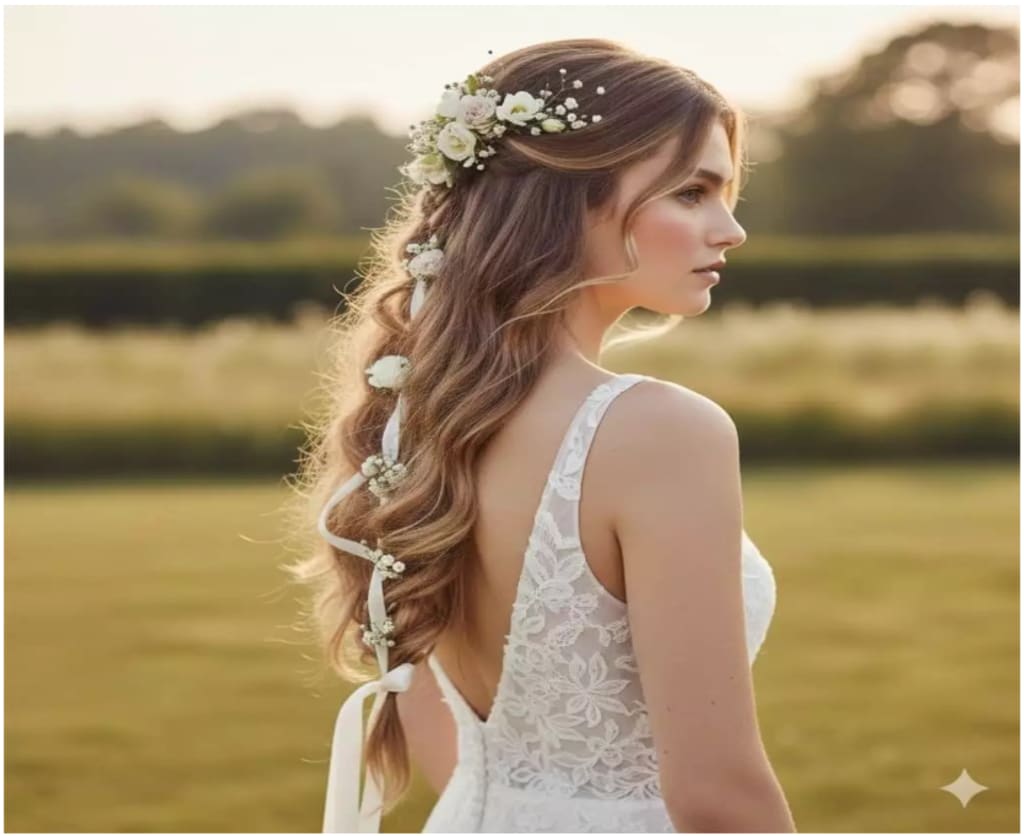
Long hair has always carried meaning. Across cultures and generations, it’s been associated with patience, self-expression, and personal rhythm. Today, long hair is less about rigid beauty standards and more about lifestyle choices, how people balance time, comfort, appearance, and self-care in daily life. From relaxed routines to special-occasion styling, maintaining long hair often reflects how someone lives.
Modern conversations around long hair focus less on perfection and more on sustainability. People want styles and routines that feel realistic, adaptable, and enjoyable rather than overwhelming. That shift has changed how long hair is cared for, styled, and even emotionally experienced.
Why Long Hair Fits So Many Lifestyles
Long hair works across a wide range of routines. It can be worn loose for a natural look, tied back for convenience, or styled for formal events. This flexibility is a big reason many people keep it long, even during busy phases of life.
Some consumer lifestyle surveys and beauty platform reports suggest that a noticeable share of people with shoulder-length or longer hair prioritize versatility over trend-following. Rather than changing length frequently, they adapt styling methods to match workdays, weekends, or social events.
This adaptability makes long hair less about constant upkeep and more about learning what works best for your schedule and environment.
Understanding Hair Texture in Daily Care
Texture shapes nearly every long-hair decision. Straight, wavy, curly, and coily hair respond differently to washing frequency, humidity, and styling tools. That’s why one-size-fits-all advice rarely feels helpful.
For example:
Straight or fine hair often benefits from lightweight routines that avoid weighing strands down.
Wavy hair tends to respond well to layered cuts and air-drying techniques.
Curly and coily textures usually thrive with moisture-focused routines and protective styling.
Across community forums and lifestyle reports, satisfaction with long hair routines is often reported within a broad 60–80% comfort range when products and techniques are matched to texture and climate. Results vary widely based on daily habits, water quality, and styling frequency.
Long Hair Care as a Habit, Not a Project
One common misconception is that long hair requires constant effort. In reality, many people simplify their routines over time. The most sustainable care habits are usually the least complicated.
Regular trimming, gentle detangling, and consistent cleansing are often described as more impactful than complex product layering. People who report enjoying their hair routines tend to stick to a small set of steps they can realistically maintain.
Resources like LongHair.ai long hair style guides are often used for inspiration when building routines that fit personal schedules, rather than copying someone else’s exact method.
Styling Strategies by Occasion
Long hair shines when it adapts to different settings. The same length can feel entirely different depending on how it’s styled.
- Everyday wear: Loose braids, low ponytails, or simple buns balance comfort and polish.
- Professional settings: Sleek styles or softly tied-back looks often feel neat without being restrictive.
- Special occasions: Waves, curls, or half-up styles add visual interest without changing length.
In lifestyle-focused studies, people often report feeling more confident when they have two or three reliable styles they can rotate through the week. This approach reduces decision fatigue and makes long hair feel easier to manage.
Hair Care Routines That Fit Real Life
Long hair routines don’t have to be rigid. Many people build flexible schedules based on how their hair feels rather than fixed calendars.
Some users describe washing anywhere from every two days to once or twice a week, depending on environment and activity level. Conditioning frequency also varies, with many people adjusting based on seasonal dryness or styling needs.
Guides centered on long hair care routines often emphasize listening to your hair rather than following strict rules. This mindset encourages experimentation while avoiding unnecessary stress around “doing it right.”
Shooting and Styling for Visual Consistency
For those who document their hairstyles, whether for personal reference or social sharing, simple shooting techniques can make a big difference.
Clear lighting, neutral backgrounds, and consistent angles help track how styles look over time. Many people say this visual consistency makes it easier to notice what works and what doesn’t, without relying on memory alone.
Under good lighting and natural positioning, visual comparisons are often described as “close enough” to real-life appearance for evaluating shape, volume, and balance, though results can vary with hair density and styling method.
Seasonal Adjustments for Long Hair
Long hair routines often change with the seasons. Humidity, temperature, and clothing all influence styling choices.
In warmer months, protective styles and lighter products tend to feel more comfortable. In cooler seasons, people often lean into looser styles and richer conditioning habits to counter dryness.
Lifestyle data suggests that people who adjust routines seasonally report fewer frustrations with long hair compared to those who keep the same approach year-round.
The Emotional Side of Long Hair
Hair isn’t just physical, it’s emotional. Long hair often carries memories, milestones, and personal identity. For some, it represents consistency; for others, creativity.
Surveys on personal style and self-image frequently suggest that people who feel in control of their hair routines also report higher satisfaction with their overall appearance. This doesn’t mean perfection; it means familiarity and comfort.
Platforms like longhair.ai are often positioned as lifestyle companions rather than instruction manuals, offering ideas that people can adapt rather than follow rigidly.
Making Long Hair Sustainable
Sustainable long hair care is about balance. It’s choosing routines that support daily life instead of competing with it. That might mean skipping heat styling during busy weeks or embracing protective styles during travel.
When people find a rhythm that works, long hair stops feeling like a responsibility and starts feeling like an asset, something that enhances daily life rather than complicating it.
Final Thoughts
Long hair is less about length and more about intention. It reflects how people move through their days, manage their time, and express themselves. By focusing on adaptable routines, texture-aware care, and lifestyle-friendly styling, long hair becomes easier to enjoy.
Rather than chasing perfect results, many people find satisfaction in routines that feel natural and repeatable. And in the long run, that ease is what makes long hair truly sustainable.
About the Creator
Keep reading
More stories from Shahid Sipra and writers in Journal and other communities.
~ Fired ~
— Ai Intrusion ~ Are you Next ~ Is Ai Evolution after your job? — Few workplaces haven't been affected. Ai is in supermarkets, at doctors' offices, and even monitoring farms. I just can't think of anything this machine is not getting into, can you? For instance: Education ~ Law and Tech jobs will one day have a major influence or be taken over by these inanimate machines, with accuracy and vigor. From mechanics' diagnoses to a wide variety of everyday jobs, including fast food workers, with this input having the ability to cut their unnecessary work hours. I'm certain all of us have been touched by this with our short stories and colorful headings, have you? Even comments are very questionable 'Non-Robot' insertions.
By Jay Kantor6 days ago in Journal
Feelings Never Die
It is Valentine's Day again, and it bought back memories that were over fifty years old. It bought me back to 1971, and I woke up and I knew my baby was due today. I was big and pregnant, and I felt like I was about to burst wide open. Imagine my surprise when the doctor told my I had a due date of February 14. I couldn't believe it, and since my baby was due today, I felt I could indulge myself a bit. I had gained a lot of weight, and chocolate was on the no-no list, but I had came to the end of this pregnancy, and I hoped it would be okay, after all I would deliver this baby today. So I walked across the street to the grocery story, and bought myself, a peppermint patty, covered in chocolate, my favorite. Me and my Valentine's baby would enjoy it together.
By Susan Paytona day ago in Fiction



Comments
There are no comments for this story
Be the first to respond and start the conversation.