
LLP and Partnership Firm: What are the differences?
7 key differences between LLP and Partnership Firm


Before starting a partnership business, the first thought that a business person has is what type of partnership business they want to register. The most common type of partnership business structure is LLP (Limited Liability Partnership) and Partnership Firm. To clear up confusion regarding this two terms, we have included basic information about LLP and Partnership Firm, as well as the difference between LLP and Partnership Firm.
Table of Content
- Introduction
- What is Partnership Firm?
- What is LLP (Limited Liability Partnership)?
- Difference between LLP and Partnership Firm
- Bottom Line
Introduction
Partnerships registered under the Partnership Act, 1932 were once a very popular type of Business Entity in India due to their ease of registration and upkeep. The introduction of the LLP company registration in India through the Limited Liability Partnership Act, 2008, has replaced the prominence of partnerships. LLPs are simple to set up, provide a variety of benefits to promoters, and are simple to run, making them ideal for many small and medium-sized businesses.
What is Partnership Firm?
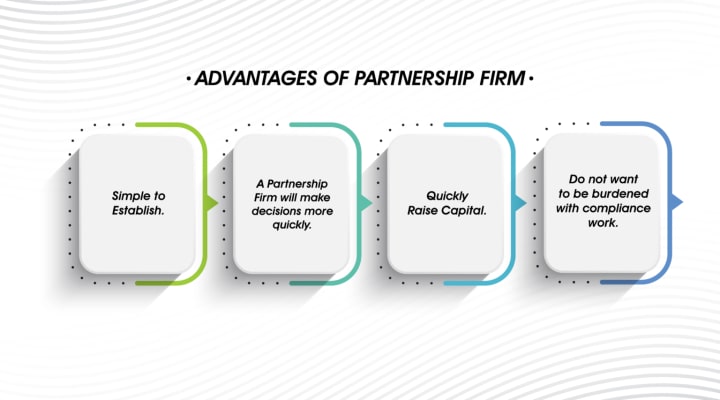
A Partnership Firm is a popular business structure in India and is one of the oldest. A partnership firm is simple to establish because it must follow a minimal set of rules and regulations.
A partnership is defined as an agreement between two or more people who pool their capital and resources to contribute to the business and agree to split the profits. When all of the partners/individuals enter into a partnership agreement/deed and conduct business under the partnership firm name, the partnership firm is formed.
A partnership firm is not required to be registered. Even if the partnership firm is not formally registered, the law recognises it, and all of the firm partners are liable for any loss caused to third parties by the firm.
What is LLP (Limited Liability Partnership)?
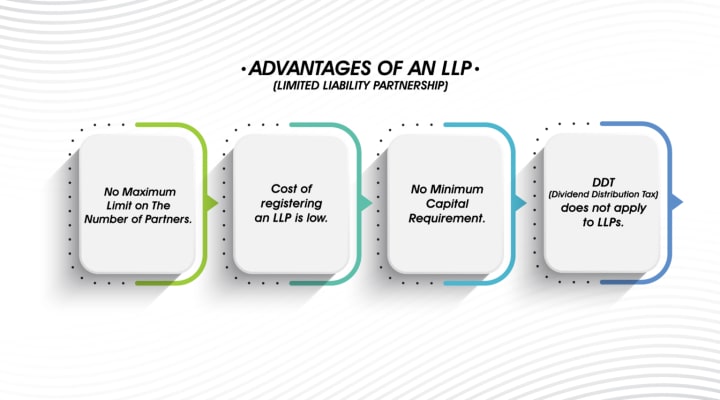
An LLP is a business structure that combines the advantages of a partnership and a company. It is a cross between a company and a partnership because it combines elements of both structures.
In the eyes of the law, an LLP (Limited Liability Partnership) is a separate legal entity, and it is liable for the full extent of its assets. The liability of a partner is limited to their contribution to the LLP. An LLP’s partners are only responsible for their own actions.
The LLP allows professionals, entrepreneurs, and businesses engaged in scientific and technological disciplines or providing any type of service to form commercially efficient vehicles tailored to their needs. Because of its structural and operational flexibility, forming an LLP is appropriate for small and medium-sized businesses, as is obtaining investment from venture capitalists.
Difference between LLP and Partnership Firm
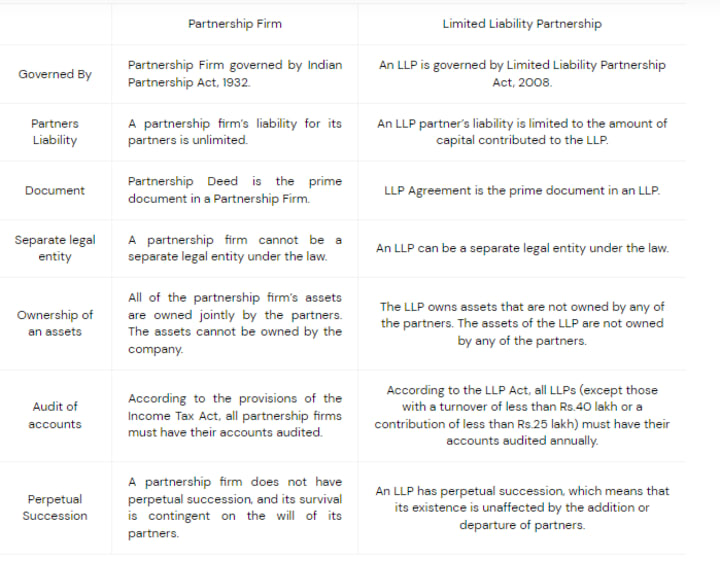
The following are the 7 key differences between the LLP and the Partnership Firm:
Bottom Line
An LLP and a partnership firm are similar types of entities, but they differ in how they operate, how their accounts are kept, how they are dissolved, and so on. Different Acts and Rules govern them. Knowing the differences between them will help an entrepreneur choose the best type of partnership structure for his or her business.
About Ebizfiling -
EbizFiling is a concept that emerged with the progressive and intellectual mindset of like-minded people. It aims at delivering the end-to-end incorporation, compliance, advisory, and management consultancy services to clients in India and abroad in all the best possible ways.
To know more about our services and for a free consultation, get in touch with our team on [email protected] or call 9643203209.
About the Creator
Ishita Ramani
EbizFiling.com is a motivated and progressive concept conceived by like –minded people, which helps small, medium and large businesses to fulfill all compliance requirements of Indian Laws.
Keep reading
More stories from Ishita Ramani and writers in Journal and other communities.
How to Avoid LLP Strike-Off When No Tax Return is Filed?
Introduction LLP company registration in India has gained immense popularity as a form of business in recent years. LLPs provide the benefits of limited liability to its partners and offer them greater flexibility in terms of operations and compliance. However, like any other form of business, LLPs are also subject to various compliance requirements under the LLP Act, 2008. In this blog, we will learn how to avoid LLP strike-off for Limited Liability Partnership when no Tax Return is filed.
By Ishita Ramani3 years ago in Journal
The goals I did not achieve
Every writing goal I made for the year is a wash. It has been this way for a while, but I think it's important to be open about my failures and the reality of how life can get in the way. This is especially true considering the several times I have posted on Vocal about my writing goals, how I was changing my approach, and where I was hoping to be for the upcoming year. I will probably do that again in a couple months, but for now, it is time to acknowledge where I am today.
By Kay Husnick20 days ago in Journal
The Eucharist: Why Catholics Believe in the Real Presence
The Eucharist is the center of Catholic life and worship. At Mass, Catholics receive the Body and Blood of Christ under the forms of bread and wine, a belief that sets Catholicism apart from many other Christian traditions. This doctrine, known as the Real Presence, teaches that Jesus Christ is truly present in the Eucharist, not symbolically or metaphorically, but in reality. Understanding why Catholics believe this and how it impacts their lives can deepen appreciation for this sacred sacrament.
By Sound and Spirit2 days ago in Journal


Comments
There are no comments for this story
Be the first to respond and start the conversation.