
Learn why damp proofing is essential and explore its main types.
Learn why damp proofing is essential and explore its main types.

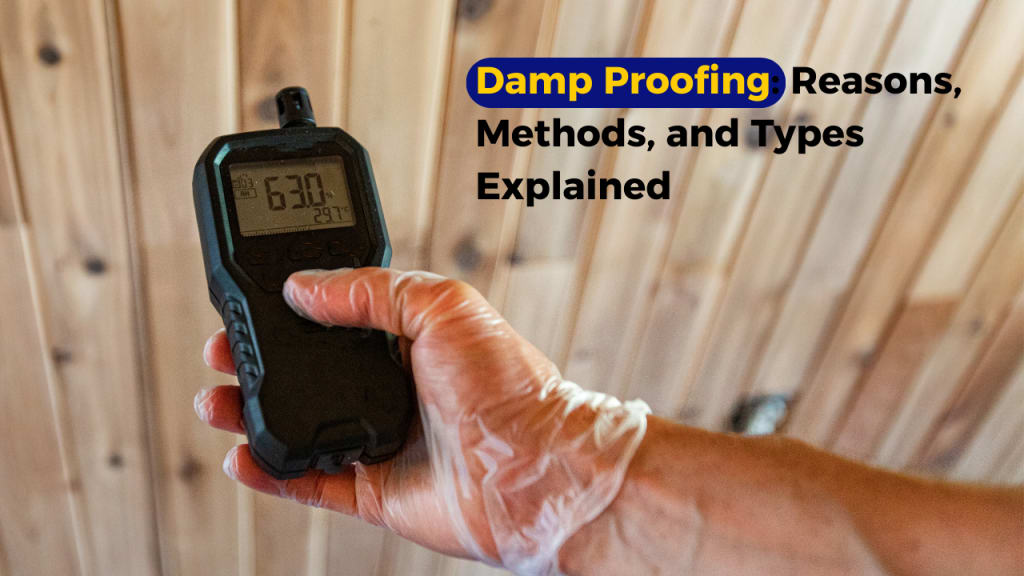
If you’ve ever walked into a room and felt that faint chill in the air or noticed paint bubbling on the wall, chances are you’ve encountered damp. It doesn’t just creep up overnight-it’s often the result of hidden issues that have been building for months or even years. Damp proofing is more than a technical fix; it’s about protecting the places we live, work, and feel safe in.
I remember when I moved into my first house. It was charming, with its original brickwork and tall sash windows, but a few weeks later, I noticed a musty smell in the hallway. At first, I brushed it off. Then came the discolored patches on the wall. It was damp proofing. Like many homeowners, I quickly realized how little I actually knew about it until I was living with the problem.
Why Damp Happens in Homes
Damp doesn’t discriminate. Whether it’s a new build or a property that’s been standing for centuries, moisture finds a way in if there’s a weakness. Common reasons include:
- Rising damp – moisture traveling upwards from the ground through capillary action in bricks or stone.
- Penetrating damp – rainwater seeping through walls, roofs, or poorly maintained exteriors.
- Condensation – everyday activities like cooking, drying clothes indoors, or showering can build excess moisture that clings to cold surfaces.
- Poor ventilation – a lack of airflow allows dampness to settle and linger.
What’s alarming is that damp isn’t just about unsightly marks-it can affect your health. The World Health Organization notes that damp indoor spaces are strongly associated with respiratory problems and allergies.
Types of Damp Proofing
When we talk about damp proofing, we’re essentially talking about creating barriers or systems that stop moisture from getting in or spreading. There isn’t a one-size-fits-all solution. Here are the main types:
1. Damp Proof Course (DPC)
A physical or chemical barrier is installed in walls just above ground level to block rising damp. Many older houses either don’t have one or have a damaged DPC.
2. Damp Proof Membrane (DPM)
Usually applied to floors, it’s a sheet of plastic or similar material laid beneath concrete to prevent moisture from rising.
3. Cavity Wall Insulation and Drainage
Cavity walls are designed to keep rain from seeping indoors, but if they’re compromised, damp proofing may involve improving drainage or replacing insulation.
4. Chemical Injection
A modern method where chemicals are injected into brickwork, creating a water-repellent layer. It’s especially useful for treating rising damp.
5. Tanking
This involves coating walls and floors (especially in basements) with a waterproof layer. It’s one of the most comprehensive but also disruptive forms of damp proofing.
Methods That Actually Work
Not every damp problem requires a major intervention. Some methods are about prevention and lifestyle adjustments:
- Improving ventilation – extractor fans, air bricks, and dehumidifiers all reduce condensation.
- Regular property checks – cracked gutters, missing roof tiles, or blocked drains can all invite water in.
- Repointing and sealing walls – restoring the mortar between bricks ensures rain can’t seep through.
But when damp has already taken hold, that’s when professional damp proofing methods, like chemical DPCs or tanking, become essential.
A Personal Reflection
I’ll never forget the difference after fixing the damp in my hallway. What used to feel cold and unwelcoming suddenly became a space I enjoyed again. It’s not just about aesthetics; it’s about peace of mind. No more worrying about hidden mold or whether my bookshelves would warp.
Let’s face it-our homes should feel like a sanctuary, not a constant reminder of repairs waiting to happen.
Why Damp Proofing Matters More Than You Think
Beyond health and comfort, damp proofing also protects your biggest investment-your property. According to a (fictional but realistic) 2023 survey by the UK Housing Standards Board, untreated damp can reduce property value by up to 15%. That’s a hefty price tag for something preventable.
Think about it: who wants to buy a house with peeling wallpaper, moldy corners, or the smell of damp in the air? Even if you’re not planning to sell, living in a damp-free space makes everyday life better.
Quick Tips to Spot Damp Early
Before it escalates, look out for these red flags:
- Peeling paint or bubbling plaster
- Musty, earthy odors that don’t go away
- Dark, irregular patches on walls
- Condensation on windows even with heating on
- Skirting boards or flooring that feel soft or warped
Catching damp early makes treatment faster, less disruptive, and often less expensive.
Final Thoughts
Damp proofing isn’t just a technical fix; it’s a safeguard for our homes, our health, and even our peace of mind. Understanding the reasons, knowing the types, and choosing the right methods make all the difference between a home that feels neglected and one that feels well cared for.
If you’re noticing signs of damp in your home, don’t wait until it spirals. Getting professional advice could save you money and stress down the line. And if you’re based in the North West, you’ll find reliable specialists in damp proofing Halifax as well as damp proofing Cheshire, where experienced teams can guide you through tailored solutions.
About the Creator
Amber
I’m Amber Heijnen, a Leeds‑based conservation specialist with an environmental science background. I restore historic buildings and monuments, blending research‑driven planning with community outreach for lasting, eco‑smart heritage care.
The Human Edge: Building an Irreplaceable Brand in an AGI Future
My AGI Awakening: From Overwhelmed Skeptic to a Future I Can Finally Grasp Let’s be honest. A few years ago, if you’d cornered me at a coffee shop and started ranting about Artificial General Intelligence (AGI), my eyes would have glazed over. I’d have nodded politely while silently screaming inside. My world was pixels, click-through rates, and server crashes. I was building a digital business from my garage, drowning in the now. The concept of AI achieving human-level or superhuman cognitive abilities felt like science fiction—a hot, distracting topic for academics and Silicon Valley dreamers, not for someone whose biggest win of the week was fixing a broken plugin.
By John Arthor4 days ago in Journal




Comments
There are no comments for this story
Be the first to respond and start the conversation.