
Leadership Lessons from Kris Gopalakrishnan: Governance, Ethics, and Scaling People
Actionable insights on hiring, board composition, culture, and ethics inspired by Infosys co-founder Kris Gopalakrishnan’s leadership journey.

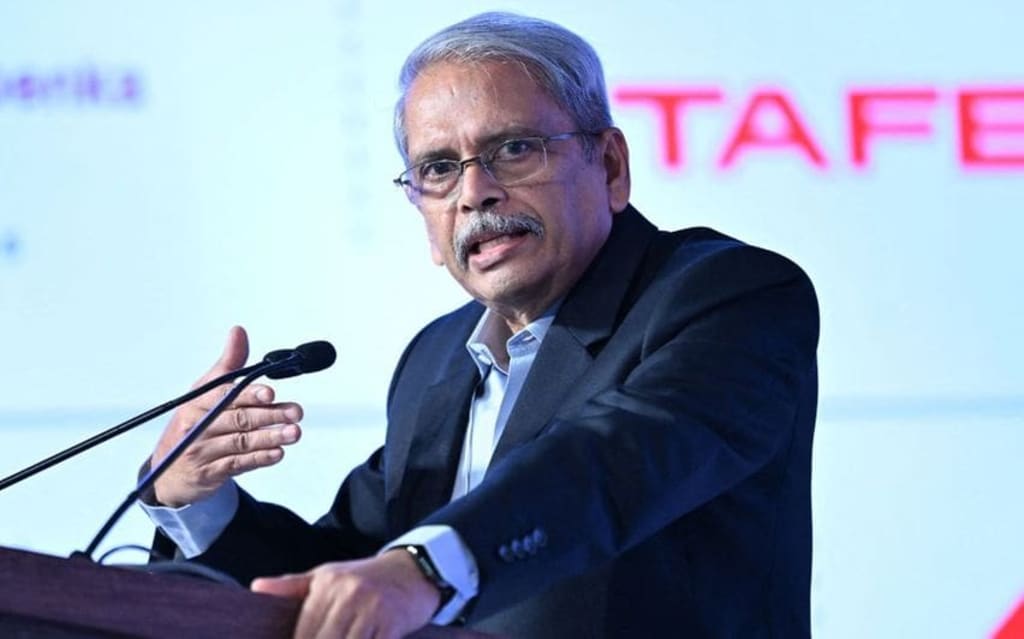
Great leadership is more than vision—it’s about building structures, systems, and cultures that endure. Kris Gopalakrishnan leadership journey—from co-founding Infosys to advising institutions—offers timeless and actionable lessons for CEOs, HR leaders, and executives focused on governance, ethics, and scaling people. In this article, you’ll discover strategies for hiring the right talent, building strong boards, embedding ethical practices, creating trustworthy cultures, and scaling people-centered organizations with integrity. This piece is tailored to executives seeking credible, original insights grounded in real-world success.
The Foundations of Ethical Leadership
Vision Rooted in Respect
Kris Gopalakrishnan consistently emphasizes that organizational success at Infosys was built on 'respect'—for customers, employees, investors, and society. He explained:
“When we discussed what should be our vision, we came to the word respect... If you strive for respect from customers and employees, you will treat them fairly.”
Takeaway: Define simple, universal values (e.g., respect, fairness, integrity) and embed them into decision-making and every employee touch point.
Governance That Builds Trust
Gopalakrishnan has urged Indian firms to strengthen governance and even list globally to attract funding and ensure transparency. Infosys itself became an example of world-class governance.
Takeaway: Establish high governance standards—from transparency to board oversight—to foster internal discipline and external credibility.
Scaling People with Purpose
Building an Ethical Leadership Pipeline
At Infosys, around 70% of hires came fresh from college, supported by a rigorous six-month residential training program. Leaders are also expected to mentor others as a formal responsibility.
Takeaway: Invest in structured training and mentorship from the ground level. Make leadership development both strategic and systematic.
Alignment of Leadership Team Values
Speaking at Techcircle Startup 2016, Gopalakrishnan emphasized that founding and leadership teams must share values, goals, and even lifestyle standards:
“The leadership team must have similar goals, values, objectives—and lifestyle.”
Takeaway: When hiring leadership, prioritize shared values and aligned philosophies. Cultural misfit at senior levels can derail culture.
Defining Clear Success Metrics and Patience
Gopalakrishnan advises having clarity in what success looks like and giving leadership time to deliver:
“Once the decision is made, you need to give that person the time to perform and support that person for a defined period of time... define what are the KPIs... If not working, leadership change is necessary.”
Takeaway: Set performance indicators for leadership roles and stand by leaders long enough to allow them to prove their effectiveness.
Building a Culture of Trust and Responsibility
Leadership by Example Creates Respect
Gopalakrishnan described walking the talk: leaders at Infosys followed the same rules as employees—no private jets, economy travel for short flights, submitting attendance, etc.
Takeaway: Culture starts at the top. When leaders uphold the same standards as employees, trust and cultural cohesion strengthen.
Inclusion and Collective Ownership
During financial crises, Gopalakrishnan involved all levels in cost-saving decisions:
“Giving everyone a role in solutions builds teamwork and confidence... leadership by consensus is ideal.”
Takeaway: Foster culture by involving everyone in problem-solving and decision-making—particularly during challenges.
Structuring Governance and Board Composition
Prioritize Global-Grade Governance
According to Gopalakrishnan, Indian firms should list internationally and improve governance to become competitive:
“IT industry... is world-class because of world-class governance... zero debt.”
Takeaway: Design governance policies aligned with global benchmarks, especially if aiming for international funding or partnerships.
Use Formal Processes for Leadership Decisions
Infosys used formal board processes, rather than informal networks, to select leaders—supporting meritocracy and consistency.
Takeaway: Structure formal governance mechanisms (selection criteria, board evaluation) to ensure leadership decisions are transparent and institutionally sound.
Ethics and Vision: Shaping Sustainable Leadership
Long-Era Thinking Over Short-Term Gains
Gopalakrishnan strongly believes business value comes from long-term societal contributions—not short-lived profits:
“The true value of a business to society is not about making profits.”
Takeaway: Align strategy toward sustainable growth, with societal benefit as a co-objective—not just a marketing tagline.
Embrace Change Responsibly
He argued that technology and innovation must be approached with both optimism and caution:
“We must control technology rather than letting technology control us.”
Takeaway: Balance innovation with ethics and societal impact, especially as companies scale technology adoption.
Leadership Development and Scaling Teams
The 80:20 Hiring Framework
Gopalakrishnan advises leaders to expect 20% brilliant performers and 80% solid contributors—but emphasizes creating environments where both can thrive.
Takeaway: Optimize hiring by combining top talent with dependable performers and invest equally in their development.
Collaboration With a Clear Decision Funnel
While he promotes consensus, Gopalakrishnan understands that in some scenarios, the CEO must make the final call—especially when full consensus isn't possible.
Takeaway: Build collaborative cultures, but retain clear decision authority. Clear escalation paths eliminate bottlenecks.
Actionable Checklist: Leadership Blueprint from Kris Gopalakrishnan
- Values & Culture: Define values like respect and embed them via leadership policies.
- Governance: Adopt global governance standards; formalize board selection.
- Hiring & Scaling: Apply 80:20 hiring; invest in robust training and mentorship programs.
- Leadership Risk: Define KPIs; back leaders with time; reassess if metrics lag.
- Cultural Integrity: Lead by example; same rules for all; foster collective ownership.
- Ethical Vision: Pursue long-term societal gains; balance innovation with caution.
Real-World Examples & Quotes
- Techcircle 2016: Gopalakrishnan emphasized founder alignment: “Leadership team must have similar goals... one left because not successful enough.”
- BCG interview: Infosys put 1M applicants through an extensive filter; new recruits underwent 6 months of residential training, and mentorship was formalized.
- Moneycontrol interview: On work culture, he said, “Leadership by example is best... I believe in influencing, not commanding.”
FAQs
Q1: Who is Kris Gopalakrishnan?
A: Co-founder of Infosys, now an influential thought leader in governance, ethics, and leadership development.
Q2: What leadership traits are most highlighted?
A: Respect-driven culture, formal governance, mentorship, training, and consensus-building.
Q3: How can startups apply these lessons?
A: By embedding values early, structuring governance, investing in people, and balancing innovation with ethics.
About the Creator
Chinmaya Singh
Chinmaya Singh is a professional blogger with 6+ years of experience, writing on entrepreneurship, business, and industry, helping readers gain insights into success and growth strategies.
Keep reading
More stories from Chinmaya Singh and writers in Journal and other communities.
Kris Gopalakrishnan: Mentor, Investor, Chair of Axilor Ventures and Building the Next Generation of Founders
Kris Gopalakrishnan is a name that resonates across India’s technology and startup ecosystem. As an Infosys co‑founder, a seasoned investor, and the Chair of Axilor Ventures, he has moved from building world‑class enterprise software to actively mentoring and funding the next generation of founders. In this article, built for entrepreneurs, investors, and anyone interested in startup incubation you’ll learn about Kris Gopalakrishnan’s leadership journey, Axilor’s accelerator model, his mentoring philosophy, real‑world outcomes from portfolio companies, and practical lessons founders can apply today.
By Chinmaya Singh7 months ago in Journal
Author’s Advice
If you would’ve asked me 20 years ago did I know I’d become a writer and an author, I would’ve said “nope, ain’t happening”. As fate would have it I did become an author and I can honestly say I’m loving it so far. It really does feel good to be a writer. I’ve learned a lot on this journey and I feel like with even me being as new to this world as I am, there’s some wisdom I need to share with every other aspiring author.
By Joe Patterson4 days ago in Journal
Twitter founder Jack Dorsey fired 4,000 people over AI and issued a warning to the business world.
On Thursday, February 26, Jack Dorsey cofounder of Twitter and CEO of Block, one of the world's largest digital payments companies published an internal memo that went viral within hours. Block, the company that operates Square, Cash App, and its Bitcoin ecosystem, was laying off more than 4,000 people: almost half of its global workforce. The stated reason wasn't a crisis. It was artificial intelligence.
By Omar Rastelli7 days ago in Journal
A Transparent Look at Vocal Challenges and Top Stories
Almost three years ago, we shared a resource article that served as a place for people to suggest new challenge prompts. We thought it would be a good idea to refresh that thread, and take the opportunity to answer a few common questions about top stories, how challenges are judged and how submissions are reviewed.
By Vocal Curation Team4 days ago in Resources



Comments
There are no comments for this story
Be the first to respond and start the conversation.