
Landmark Royal Commission Into Antisemitism Prompted by Bondi Shooting Begins
Australia launches major national inquiry as communities demand action against rising hate
Introduction
A historic national inquiry has begun in Australia following a violent attack that shocked the nation and intensified concerns about rising antisemitism. The government’s decision to launch a royal commission — one of the country’s most powerful investigative tools — signals a turning point in how hate crimes are examined and addressed.
The inquiry was prompted by the shooting incident in Bondi, which renewed fears among Jewish communities and sparked calls for stronger protections, clearer policies, and greater accountability across institutions.
The Bondi Incident That Triggered Action
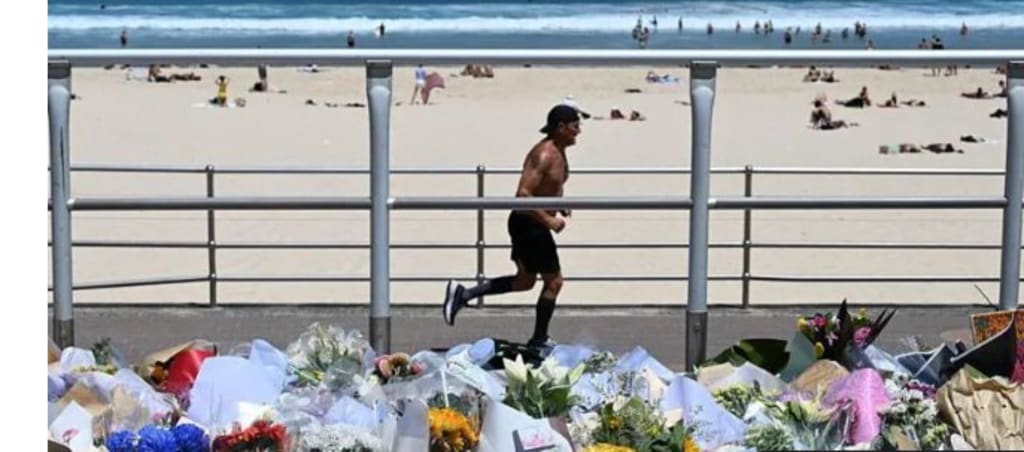
The Bondi shooting drew widespread attention not only because of its violence but because investigators explored whether antisemitic motivations were involved. The event occurred near one of Australia’s most diverse urban areas, intensifying the emotional impact on residents and community leaders.
Located within Sydney, Bondi has long been seen as a symbol of multicultural life. The attack therefore raised broader questions about social cohesion, security, and how extremist narratives spread both online and offline.
While authorities continue to examine details surrounding the suspect and motivations, the incident became a catalyst for a national reckoning about hate crimes targeting Jewish Australians.
What Makes a Royal Commission Significant
In Australia, a royal commission represents the highest form of public inquiry. It has the authority to compel testimony, demand documents, and examine systemic failures across multiple sectors, including law enforcement, education, media, and technology platforms.
The Government of Australia framed the commission as an opportunity to understand not just individual incidents but the broader environment that allows antisemitism to grow.
Prime Minister Anthony Albanese described the inquiry as necessary to protect social trust and ensure minority communities feel safe in public life. The commission is expected to run for months, possibly years, producing recommendations that could reshape national policy.
Rising Concerns About Antisemitism
Jewish organizations across Australia have reported an increase in harassment, vandalism, online hate speech, and threats in recent years. Community leaders argue that while many incidents do not escalate into violence, they contribute to fear and isolation.
The Bondi shooting amplified these concerns by demonstrating how hate — whether ideological, opportunistic, or influenced by global conflicts — can translate into real-world danger.
Experts note that antisemitism today often appears in multiple forms:
Conspiracy narratives circulating online
Targeting of Jewish institutions or symbols
Harassment in schools and workplaces
Extremist rhetoric linked to broader political polarization
The royal commission aims to map these patterns systematically rather than treating incidents as isolated events.
Key Questions the Commission Will Explore
The inquiry is expected to examine several critical areas:
1. Prevention and Early Warning
How authorities detect warning signs before violence occurs and whether information sharing between agencies is sufficient.
2. Online Platforms and Radicalization
The role digital spaces play in spreading antisemitic narratives and how moderation policies can be improved.
3. Education and Awareness
Whether schools provide adequate historical and cultural education about antisemitism and discrimination.
4. Security for Community Institutions
The effectiveness of protections around synagogues, cultural centers, and public events.
5. Legal Frameworks
Whether existing hate crime laws are strong enough or require reform.
By addressing these areas, officials hope to move from reactive responses to long-term prevention strategies.
Community Reactions
Jewish leaders largely welcomed the commission, describing it as overdue recognition of a growing problem. Many emphasized that antisemitism is not only a Jewish issue but a broader democratic concern tied to how societies protect minorities.
Civil liberties groups also expressed cautious support, stressing that any new policies must balance safety with freedom of expression and avoid unintended overreach.
For residents of Sydney — particularly those near Bondi — the inquiry represents both a search for answers and a pathway toward reassurance.
Global Context
Australia is not alone in confronting rising antisemitism. Governments across Europe and North America have reported similar trends, often linked to geopolitical tensions, online misinformation, and domestic polarization.
What makes the Australian response notable is the scale of the inquiry. Royal commissions historically address major national crises, such as institutional abuse or systemic policy failures. Applying this mechanism to antisemitism signals the issue’s seriousness.
International observers are watching closely because the commission’s recommendations could influence how other countries approach hate-crime prevention.
Challenges Ahead
Despite broad support, the commission faces complex challenges:
Defining antisemitism consistently across legal and social contexts
Distinguishing between political criticism and hate speech
Measuring online influence without infringing privacy
Translating recommendations into enforceable policy
There is also the question of expectations. Public inquiries can generate detailed reports, but meaningful change depends on implementation and sustained political will.
Why This Moment Matters
The Bondi shooting served as a stark reminder that social tensions can escalate quickly. For many Australians, the incident shifted antisemitism from an abstract concern to an urgent national issue.
The royal commission represents an acknowledgment that preventing hate requires coordinated action — across government agencies, schools, technology companies, and local communities.
It also reflects a broader shift in how societies respond to targeted violence: focusing not only on perpetrators but on the environments that enable harmful ideologies to spread.
Conclusion
The launch of a landmark royal commission into antisemitism marks a defining moment for Australia. Prompted by the Bondi shooting, the inquiry aims to move beyond headlines and uncover the deeper forces shaping hate and security in modern society.
While the investigation will take time, its impact could be far-reaching — influencing legislation, education, online regulation, and community protection measures. More importantly, it signals a national commitment to confronting prejudice before it turns into tragedy.
As hearings begin and testimonies unfold, Australians — and observers worldwide — will be watching to see whether this historic inquiry can translate concern into lasting change.
About the Creator
~ Fired ~
— Ai Intrusion ~ Are you Next ~ Is Ai Evolution after your job? — Few workplaces haven't been affected. Ai is in supermarkets, at doctors' offices, and even monitoring farms. I just can't think of anything this machine is not getting into, can you? For instance: Education ~ Law and Tech jobs will one day have a major influence or be taken over by these inanimate machines, with accuracy and vigor. From mechanics' diagnoses to a wide variety of everyday jobs, including fast food workers, with this input having the ability to cut their unnecessary work hours. I'm certain all of us have been touched by this with our short stories and colorful headings, have you? Even comments are very questionable 'Non-Robot' insertions.
By Jay Kantor24 days ago in Journal
Retirement Delays of U.S. Electric Generating Capacity May Continue in 2026
The U.S. electricity system is facing a notable trend: the planned retirement of older power plants — especially coal and even some gas units — is being delayed as uncertainties in energy markets, regulatory pressures, and grid reliability concerns mount. What was once expected to be a wave of closures of older generating capacity has slowed, and that slowdown may extend well into 2026.
By Sajida Sikandara day ago in Journal
There's A Hole in My Bucket
It’s a well-known fact that Liza Dufresne was always the brains in the family. She was the one who always came up with the brilliant schemes the Dufresne kids carried out when they were younger. Like when they tricked Mrs. Claybourn into paying for a trip to Disney World. Liza convinced her that their parents had been kidnapped and were being held for ransom for the total price of three tickets. In reality, they were away on a weekend getaway for their anniversary. When they returned, Liza told the Claybourns that they did not like to talk about the ordeal. Their parents never found out how they got the money. Mrs. Claybourn never found out that the Dufresne parents were never really in any danger.
By David E. Perry6 days ago in Fiction



Comments
There are no comments for this story
Be the first to respond and start the conversation.