
Labubu DOLL: The Mischievous Charm of a Modern Art Toy
Unmasking the Origins, Mystery, and Cultural Craze Behind the Fantastical Labubu Doll

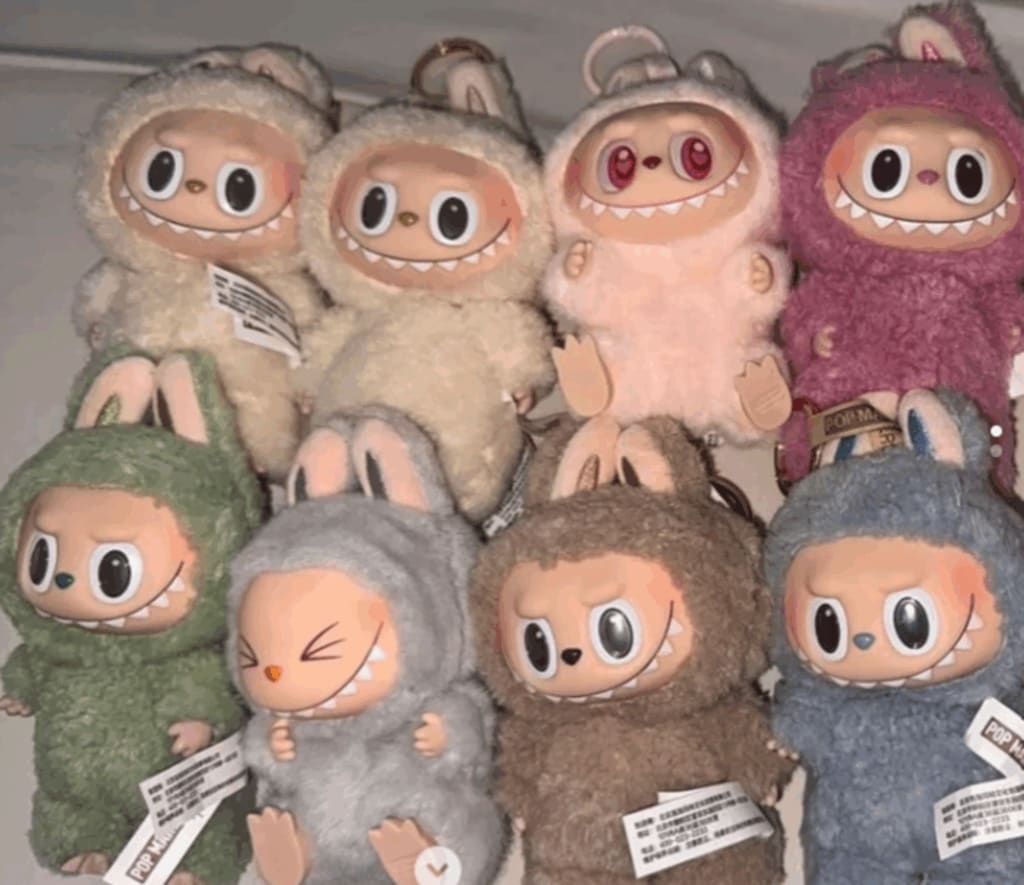
At first glance, Labubu dolls might strike some as odd or even unsettling—sharp-toothed grins, pointed ears, and wide, mischievous eyes. But far from being creepy or demonic, these quirky little figures belong to a rapidly growing trend in collectible designer toys. Labubu is not a creature of darkness, but rather a fantasy figure born from imagination, folklore, and art. In this article, we explore what Labubu dolls are, where they come from, why they look the way they do, and how they became a beloved collectible around the world.
Origins: From Imagination to Global Obsession
Labubu was created by Kasing Lung, a Hong Kong-based artist and illustrator, known for blending fantasy, surrealism, and fairy-tale influences in his work. Originally appearing in his picture books, Labubu was later brought to life in the form of vinyl art toys through a partnership with the Chinese designer toy giant, Pop Mart. The collaboration marked the beginning of Labubu’s journey into the hearts of collectors across Asia and beyond.
Kasing Lung’s imaginative universe is filled with strange yet endearing creatures. Labubu, one of the central characters in this world, perfectly captures his unique aesthetic: a fusion of childlike wonder, folklore mischief, and a touch of the eerie.
What Does “Labubu” Mean?
The name Labubu has no literal meaning in any known language. Instead, it is a whimsical, invented name that fits the surreal and playful nature of the character. Its rhythmic, unfamiliar sound adds to its fantasy feel—like something out of a bedtime story or a dream. It’s not meant to symbolize evil or have hidden meaning; rather, it complements the made-up universe Labubu inhabits.
Appearance: Creepy-Cute in the Best Way
Labubu figures are typically 3 to 4 inches tall and made of soft vinyl. They retain signature features across all versions: sharp teeth, oversized eyes, tall ears, and long limbs. Each release reimagines the character in various costumes and settings—from pirates, witches, and astronauts to Christmas elves and fantasy warriors.
While some may find the design slightly creepy, especially because of the toothy grin and monster-like features, Labubu fits within the “kimo-kawaii” (creepy-cute) aesthetic popular in East Asia. This style embraces characters that are both adorable and a little unsettling—like gremlins, forest goblins, or the mischievous spirits from old folklore.

Is Labubu a Devil or a Demonic Figure?
Despite its odd appearance, Labubu is not a devil, demon, or supernatural threat. It has no connection to satanic or religious symbols. The eerie smile and quirky features are purely artistic choices that reflect fairy-tale creatures, not evil ones. In fact, Labubu is no more "devilish" than a Halloween pumpkin or a grinning Cheshire Cat.
Its charm lies in balancing the strange with the delightful—something that invites curiosity rather than fear. For many fans, Labubu evokes a sense of childlike wonder mixed with adult appreciation for imaginative art.
Pop Mart and the Rise of Blind Box Culture
Labubu dolls are primarily sold through Pop Mart, which is known for its “blind box” sales model. Buyers purchase a sealed box without knowing exactly which figure they’ll receive, which adds an element of surprise and excitement. This has helped build a vibrant collector culture, where people trade figures, hunt for rare editions, and proudly display their collections on social media platforms.
Some limited edition Labubu figures become highly valuable, selling for hundreds of dollars in the secondary market. The toy's popularity has reached beyond Asia, gaining traction among collectors in Europe, the U.S., and Australia.

Cultural Impact: A Symbol of Modern Toy Art
Labubu represents more than just a toy—it’s part of a global cultural movement where toys are treated as art. Much like Funko Pops in the West or Be@rbrick in Japan, Labubu is collected, displayed, and appreciated for its design, backstory, and emotional resonance.
Its success reflects a growing appreciation for character-driven collectibles that blend nostalgia, creativity, and artistic expression. These toys connect with adults who grew up with cartoons and fantasy stories and are now looking for unique items that spark joy and imagination.
Conclusion: Not a Devil, But a Daydream
In a world filled with ordinary characters, Labubu stands out as something different—strange, whimsical, and impossible to ignore. It’s not creepy because it’s evil; it’s quirky because it’s born from dreams and myths. Labubu dolls are not symbols of darkness but rather little ambassadors of imagination, handcrafted with storybook magic.
Whether you’re a seasoned collector or a curious newcomer, one thing is clear: Labubu is not just a toy—it’s an experience, a gateway into a fantastical world where odd is beautiful, and creepy can be cute.
About the Creator
Laiba Gul
I love stories that connect and reveal new views. Writing helps me explore life and share real, relatable tales across many genres, uncovering hidden beauty and truth
The goals I did not achieve
Every writing goal I made for the year is a wash. It has been this way for a while, but I think it's important to be open about my failures and the reality of how life can get in the way. This is especially true considering the several times I have posted on Vocal about my writing goals, how I was changing my approach, and where I was hoping to be for the upcoming year. I will probably do that again in a couple months, but for now, it is time to acknowledge where I am today.
By Kay Husnick16 days ago in Journal
If You Love Me, You'll Do It
I met Jason when I was five years old. I could say that I loved him from the moment I saw him. He was so handsome to me and I felt in awe by his presence. When they introduced him as the new kid in school, I wanted to be his friend right away. I remember it like it was yesterday. I remember his smile and how he didn't seem shy. He appeared confident and ready to learn. I waved at him and said "hello," before anyone else could even say a word. He sat next to me, and I asked him if he wanted to be friends. He looked so happy as he said, "Yes!"
By Sidney Smith (Sid Smith)6 days ago in Fiction


Comments (1)
Oh gosh, thank you for sharing such informative journal. Nowadays everywhere I go, I usually encounter such dolls and people all around the world are possessed with labubu dolls