
Lab-Grown Diamonds: Revolutionizing the Jewelry Industry
Lab-Grown Diamonds: A Revolutionary Shift in the Jewelry Market and Beyond

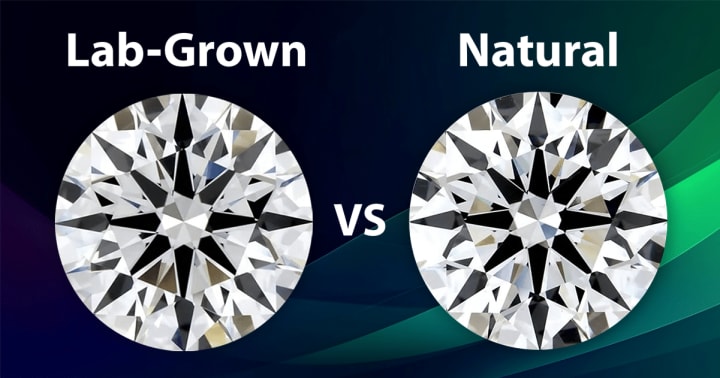
Lab-grown diamonds have emerged as a groundbreaking alternative in the jewelry market over the past decade. These gemstones, created under controlled laboratory conditions, possess identical physical, chemical, and optical properties to their natural counterparts. The key difference lies in their origin - lab diamonds form in weeks, while natural diamonds require billions of years to develop deep within the Earth's crust.
The market for lab-grown diamonds is experiencing rapid expansion. An increasing number of companies now offer lab diamonds wholesale, opening new avenues for jewelers and manufacturers. Wholesale trade in lab-grown diamonds provides access to high-quality stones at more competitive prices. This shift makes diamond jewelry more accessible to a broader consumer base without compromising on quality or aesthetics.
Production Techniques
Two primary technologies dominate the production of lab-grown diamonds:
- Chemical Vapor Deposition (CVD). This method involves placing a thin slice of diamond seed in a sealed chamber filled with carbon-rich gas. The chamber is heated to extreme temperatures, causing the gases to break down and carbon atoms to precipitate onto the seed, layer by layer, forming a diamond.
- High Pressure High Temperature (HPHT). This technique mimics the natural diamond formation process. A small diamond seed is placed in carbon, subjected to extreme pressure and temperature, causing the carbon to melt and form a diamond around the seed.
Both methods result in diamonds indistinguishable from natural ones, even to experienced gemologists without specialized equipment.
Ethical and Environmental Advantages
Lab-grown diamonds offer significant ethical and environmental benefits.
Reduced Environmental Impact
Traditional diamond mining often leads to habitat destruction, soil erosion, and water pollution. Lab-grown diamonds eliminate these concerns.
Lower Carbon Footprint
While energy-intensive, lab diamond production generally has a smaller carbon footprint compared to traditional mining operations.
Conflict-Free Guarantee
Lab-grown diamonds are inherently free from associations with conflict diamonds or unethical labor practices.
Traceability
The production process of lab-grown diamonds is fully traceable, providing consumers with transparency about their gemstone's origin.
Quality and Certification
Lab-grown diamonds undergo the same grading processes as natural diamonds. Reputable gemological laboratories like the Gemological Institute of America (GIA) and International Gemological Institute (IGI) provide certification for lab-grown diamonds. These certificates detail the stone's characteristics using the 4Cs: Cut, Color, Clarity, and Carat weight.
Applications Beyond Jewelry
The versatility of lab-grown diamonds extends far beyond the realm of jewelry, opening up exciting possibilities across various industries. Their unique properties, including hardness, thermal conductivity, and optical clarity, make them valuable in numerous technological and scientific applications.
The potential of lab-grown diamonds extends beyond the jewelry industry:
- Industrial uses. Lab-grown diamonds are utilized in cutting tools, abrasives, and high-performance electronics due to their hardness and thermal conductivity.
- Scientific research. Their purity makes lab-grown diamonds ideal for quantum computing, medical equipment, and other scientific applications.
- Aerospace and automotive. The durability and heat-resistant properties of lab-grown diamonds make them valuable in these industries.
The applications of lab-grown diamonds in fields outside of jewelry demonstrate their immense potential to drive innovation across multiple sectors. As production techniques continue to improve and costs decrease, we can expect to see even more diverse and groundbreaking applications emerge in the coming years.
Challenges and Controversies
Despite the many advantages of lab-grown diamonds, their rise has not been without obstacles. The integration of these synthetic gems into the traditional diamond market has sparked debates and raised concerns among various stakeholders.
Lab-grown diamonds face some challenges:
- Industry resistance. Some traditional diamond producers and retailers view lab-grown diamonds as a threat to their business model.
- Consumer perception. Some buyers still perceive natural diamonds as more valuable or authentic.
- Resale value. The long-term resale value of lab-grown diamonds remains uncertain compared to natural diamonds.
- Disclosure issues. Proper disclosure of a diamond's origin (natural vs. lab-grown) is crucial for maintaining consumer trust.
While these challenges present hurdles for the lab-grown diamond industry, they also offer opportunities for growth and improvement. Addressing these issues head-on will be crucial for the long-term success and acceptance of lab-grown diamonds in the global marketplace.
Future Outlook
The future of lab-grown diamonds appears bright, with technological advancements and changing consumer preferences driving growth. As the industry evolves, it's poised to reshape the diamond market and potentially redefine our perception of luxury gemstones.
- Technological improvements. Ongoing advancements will likely lead to even higher quality and larger lab-grown diamonds.
- Market expansion. As production costs decrease, lab-grown diamonds may penetrate more market segments.
- Customization. The controlled environment of lab growth allows for the creation of diamonds in rare colors or specific shapes, opening new design possibilities.
Sustainability focus. As environmental concerns grow, the eco-friendly aspect of lab-grown diamonds may become an even stronger selling point.
In summary, the lab-grown diamond industry stands at the cusp of significant growth and innovation. While challenges remain, the combination of technological progress, shifting consumer values, and expanding applications suggests that lab-grown diamonds will play an increasingly important role in both the jewelry market and various industrial sectors. The coming years will likely see continued evolution in this dynamic field, potentially transforming the global diamond industry.
About the Creator
Keep reading
More stories from Susan Scava and writers in Journal and other communities.
Discover the Hidden Gems of North Cyprus Property Market
North Cyprus has emerged as a captivating destination for property investors and homebuyers alike, offering a blend of unspoiled natural beauty, rich history, and promising real estate opportunities. Exploring the North Cyprus property market reveals a landscape ripe with potential for those seeking both investment returns and a serene lifestyle.
By Susan Scavaabout a year ago in Journal
Automotive Air Filter Market Supporting Cleaner and More Efficient Engines
The Invisible Guardian Inside Every Engine Every time a vehicle engine starts, thousands of liters of air rush through its intake system. Hidden within this airflow is a simple yet critical component that protects the engine from dust, debris, and microscopic particles. That component is the automotive air filter.
By james robertabout 10 hours ago in Journal




Comments
There are no comments for this story
Be the first to respond and start the conversation.