
Kinseley Does a wood retaining wall require drainage?
A wood retaining wall is a popular choice for landscaping and erosion control due to its aesthetic appeal and versatility. However, one crucial aspect that often gets overlooked is drainage.
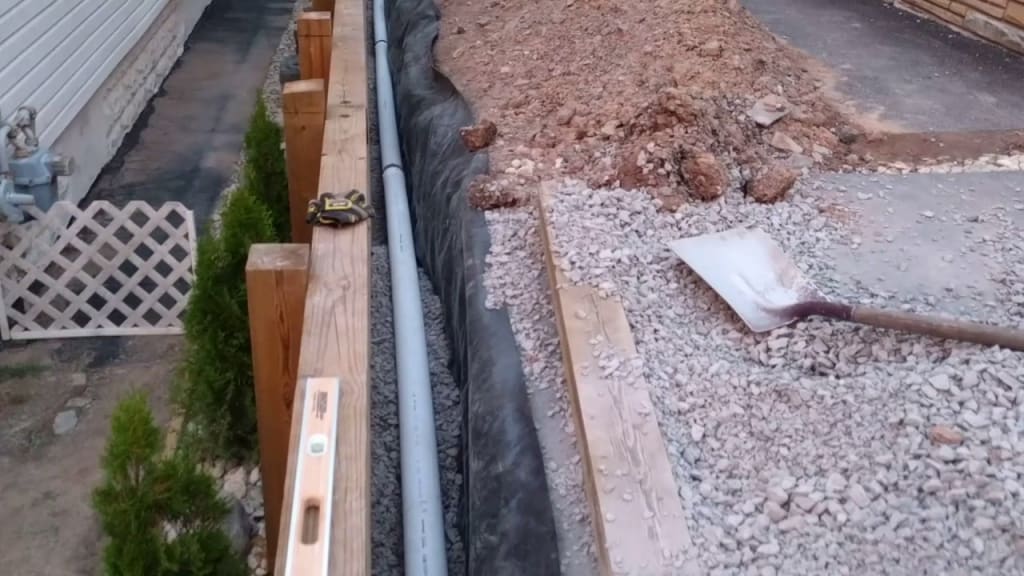
A wood retaining wall is a popular choice for landscaping and erosion control due to its aesthetic appeal and versatility. However, one crucial aspect that often gets overlooked is drainage. Proper drainage is vital for the longevity and effectiveness of a wood retaining wall. Here’s an in-depth look at why drainage is important, how it affects the wall, and what you should consider when designing and installing a wood retaining wall.
Importance of Drainage
1. Preventing Water Accumulation
One of the primary functions of a retaining wall is to hold back soil and manage water flow. Without adequate drainage, water can accumulate behind the wall, increasing hydrostatic pressure. This pressure can exert significant force on the wall, potentially leading to structural failure. When water builds up, it can weaken the wood, causing it to rot, swell, or deform. This not only undermines the wall’s structural integrity but also reduces its lifespan.
2. Protecting Wood from Decay
Wood is naturally susceptible to moisture damage. Prolonged exposure to water can lead to wood rot, mold growth, and insect infestations. Proper drainage helps to keep water away from the wood, reducing the risk of decay. This is especially important in areas with high rainfall or where the soil retains moisture. By ensuring that water is effectively channeled away from the wall, you can extend the life of your wooden structure.
How Drainage Affects a Wood Retaining Wall
1. Hydrostatic Pressure
Hydrostatic pressure is the pressure exerted by a fluid at equilibrium due to the force of gravity. In the context of a retaining wall, hydrostatic pressure occurs when water accumulates behind the wall. This pressure can push against the wall, causing it to lean, bulge, or even collapse. Adequate drainage reduces hydrostatic pressure by allowing water to flow through or around the wall rather than accumulating behind it.
2. Soil Stability
Water behind the retaining wall can also affect soil stability. Saturated soil becomes heavy and less stable, which increases the risk of landslides or erosion. Drainage systems help maintain soil stability by preventing excessive water buildup and allowing water to drain away. This helps to keep the soil behind the wall stable and reduces the risk of wall failure.
Designing Effective Drainage
1. Perforated Drainage Pipes
One common method for managing drainage behind a retaining wall is to use perforated drainage pipes. These pipes are installed at the base of the wall and collect water that seeps through the soil. The pipes then channel the water away from the wall, preventing accumulation. Perforated pipes should be wrapped in a filter fabric to prevent soil from clogging the pipes.
2. Gravel Backfill
Another effective drainage solution is to use gravel as backfill material behind the retaining wall. Gravel allows water to flow more easily than soil, reducing the risk of water buildup. The gravel should be layered behind the wall, with a drainage pipe at the base to further direct water away from the wall. This combination helps to manage water flow and reduce hydrostatic pressure.
3. Weep Holes
Weep holes are small openings placed at intervals along the base of the retaining wall. They allow water that has seeped through the wall to escape, reducing hydrostatic pressure. Proper placement of weep holes is crucial to ensure effective drainage. They should be spaced evenly and positioned at the lowest points of the wall to allow for optimal water flow.
4. Proper Slope
The grading or slope of the land behind the retaining wall can also impact drainage. Ideally, the land should slope away from the wall to encourage water to flow away rather than toward the wall. This can be achieved through proper landscaping and grading techniques.
Maintenance Considerations
1. Regular Inspections
Regular inspections are essential to ensure that the drainage system is functioning properly. Check for any signs of water accumulation behind the wall, such as damp spots or mold growth. Inspect the perforated pipes and weep holes for any blockages and ensure that the gravel backfill is in good condition.
2. Clearing Debris
Debris such as leaves, dirt, and other materials can block drainage pipes and weep holes. Regularly clearing debris from these areas helps to maintain proper water flow and prevent drainage issues. It’s also important to keep the area around the retaining wall clean to prevent debris from entering the drainage system.
3. Addressing Issues Promptly
If you notice any signs of drainage problems, such as water buildup or wall movement, address the issues promptly. Ignoring drainage problems can lead to more significant damage and costly repairs. Consult with a professional if necessary to assess and resolve any drainage-related issues.
Conclusion
In conclusion, proper drainage is a critical component of a wood retaining wall’s design and maintenance. Adequate drainage helps prevent water accumulation, reduces hydrostatic pressure, protects the wood from decay, and maintains soil stability. By incorporating effective drainage solutions such as perforated pipes, gravel backfill, and weep holes, you can ensure the longevity and effectiveness of your wood retaining wall. Regular inspections and maintenance are also essential to address any potential issues and keep the drainage system functioning optimally. Investing in proper drainage will not only extend the life of your retaining wall but also contribute to the overall stability and functionality of your landscape.
Can I build a wood retaining wall myself?
Building a wood retaining wall yourself is definitely feasible if you have some basic DIY skills and a good plan. Here’s a brief overview of what you need to consider:
1. Planning and Design: Start with a detailed plan. Determine the size, height, and location of your retaining wall. Sketch out your design, taking into account the slope of the land and drainage requirements. For walls over 4 feet high, or if you’re dealing with challenging soil conditions, consulting a professional might be necessary.
2. Materials and Tools: Gather the necessary materials, including treated lumber, concrete, and gravel. You'll also need tools like a saw, level, shovel, and post-hole digger. Ensure you use pressure-treated wood to resist moisture and insects.
3. Foundation: The foundation is crucial for stability. Dig a trench for your wall’s base, making sure it's level and properly compacted. Pour a concrete base to anchor your bottom row of timbers.
4. Building the Wall: Begin by placing the first row of timbers in the trench, securing them with spikes or brackets. Continue stacking the timbers, making sure each row is level. Install drainage behind the wall using gravel and perforated pipes to prevent water buildup.
5. Finishing Touches: Backfill the area behind the wall with gravel or soil and compact it. Add a cap to the top of the wall if desired for a finished look.
Building a wood retaining wall yourself can save money and provide satisfaction, but it requires careful planning and execution. If you're unsure or the project is complex, seeking professional advice or assistance might be the best approach.
About the Creator
Keep reading
More stories from jennifer caston and writers in Journal and other communities.
Myofitness Is Pregnancy Massage Safe? A Comprehensive Overview
Pregnancy is a transformative period in a woman’s life, marked by physical, emotional, and hormonal changes. As expectant mothers seek ways to ease the discomforts of pregnancy, many turn to massage therapy for relief. But the question often arises: Is pregnancy massage safe? To answer this, let’s delve into the benefits, precautions, and considerations associated with pregnancy massage.
By jennifer castonabout a year ago in Journal
Author’s Advice
If you would’ve asked me 20 years ago did I know I’d become a writer and an author, I would’ve said “nope, ain’t happening”. As fate would have it I did become an author and I can honestly say I’m loving it so far. It really does feel good to be a writer. I’ve learned a lot on this journey and I feel like with even me being as new to this world as I am, there’s some wisdom I need to share with every other aspiring author.
By Joe Patterson4 days ago in Journal




Comments
There are no comments for this story
Be the first to respond and start the conversation.