
Key Points you need to know about ROI (Return on Investment)
ROI means Return on Investment, a term used to represent the potential financial returns of a company.


ROI means Return on Investment, a term used to represent the potential financial returns of a company. Project managers, L&D professionals, HR recruiters look into the ROI of a project to understand how successful the venture will be. As companies always aim to make profits and reduce expenses, a thorough evaluation of ROI will guide you to make the correct decisions.
How to calculate ROI?
The formula for calculating ROI is mentioned below:
ROI = ((Revenue – Costs) / Costs) * 100
When you are calculating a Return On Investment, calculate the costs and income related to the investment only.
Here are a few key points to remember while measuring the ROI of a program:
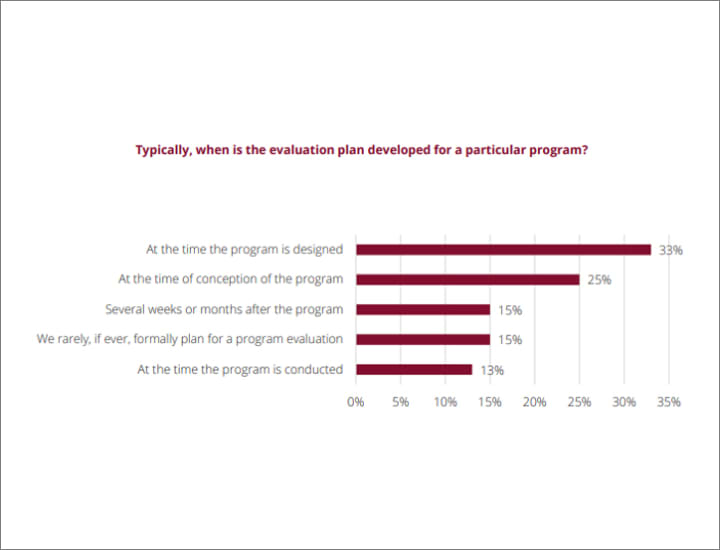
Measuring ROI should start with Initial Analysis where you need to figure out the “WHY”. Next, you have to set objectives for your programs based on the initial analysis. And last comes the evaluation process. You must start making an evaluation plan at the time the program is designed.
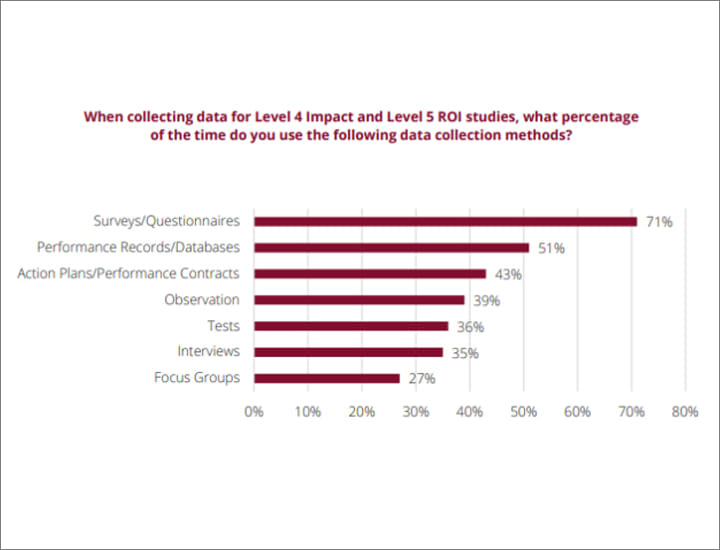
Data Collection can drive important changes and boost the value of different types of programs, projects, and initiatives. The above image is a survey analysis of the different methods used to collect data during Level 4 measuring impact, and Level 5 measuring ROI.
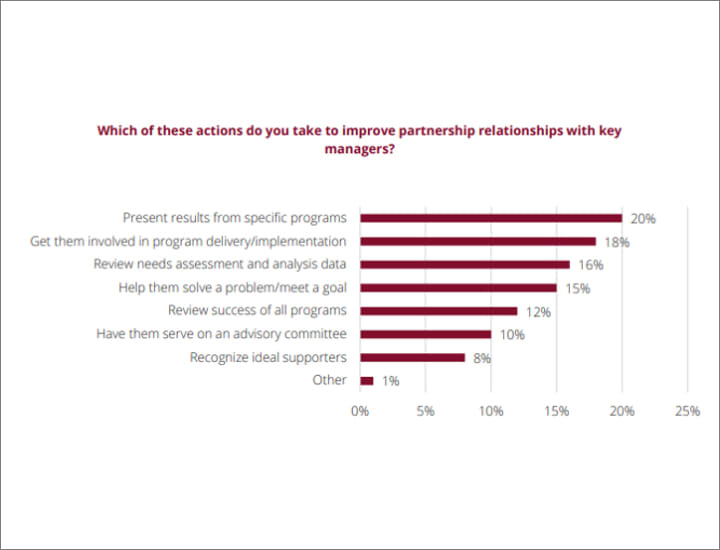
The key to any implementation is to have good partners, principal individuals in an organization who will support and use the ROI Methodology ®.
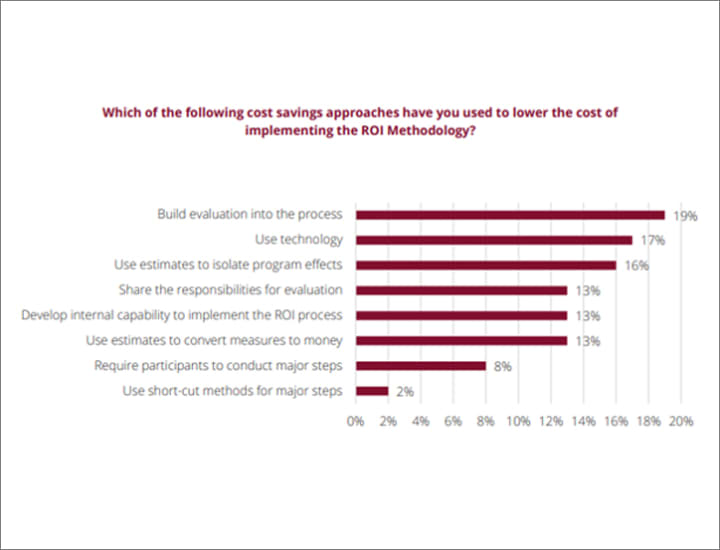
A proper initial analysis of the situation, creating objectives, and then evaluating the situation can help you lower the cost of implement the ROI Methodology. Technology, whether Quadrics, Excel, or other tools designed specifically for ROI implementation can also ease the process.
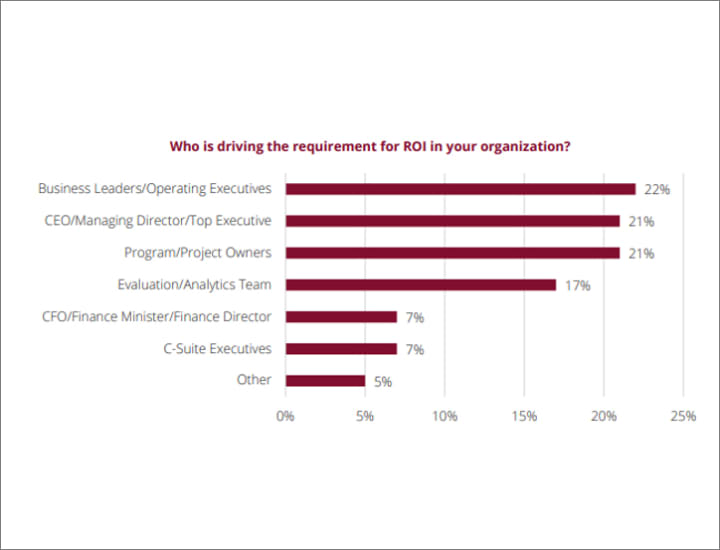
ROI Implementation must be driven by the internal team like a business leader or operating executive, CEO, a managing director, or top executive. Program and project owners are also driving the requirement of ROI for the organization.
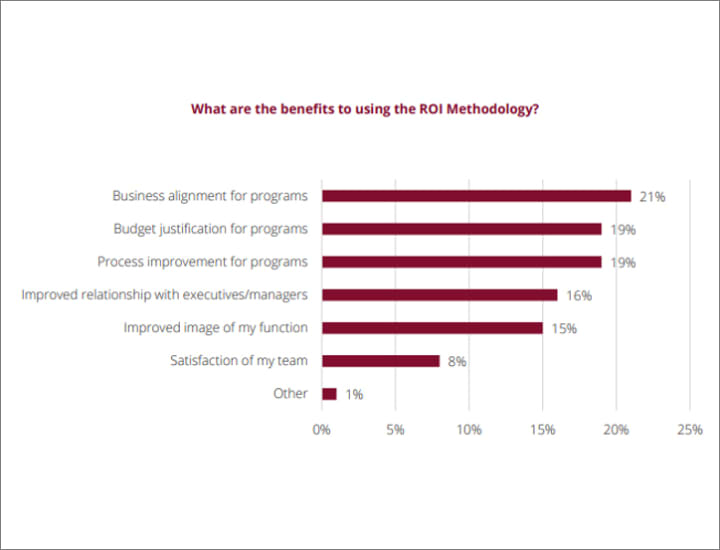
ROI sets the business alignment for programs, provides budget justification for programs, and improves the process of implementing the program. Not only that, ROI improves the relationship between the executives and managers also.
About the Creator
Hormazd Mistry
Hormazd Mistry, ATD Master Trainer™, is an expert in the field of Talent Development. He is among the 101 Most Fabulous Training & Development Leaders awarded by the World HRD Congress.
Keep reading
More stories from Hormazd Mistry and writers in Journal and other communities.
Smart phones, Humans and Aliens.
WARNING. I will be tapping into one of your favorite creative tensions: The absurdity of humans worshipping their glowing rectangles as if they were tiny oracles. There’s something deliciously poetic about that contradiction, and it lends itself beautifully to an instructive proviso.
By Novel Allen4 days ago in Poets



Comments
There are no comments for this story
Be the first to respond and start the conversation.