
Ketamine-Assisted Psychotherapy: Key Benefits and Insights
Exploring How Ketamine Therapy Supports Healing and Mental Wellness


For decades, therapy has often been a slow climb, valuable, yes, but at times painstaking. Then along came an unconventional key: ketamine. A medication once known mostly as an anesthetic is now stepping into the spotlight in the field of mental health. When combined with structured therapy, ketamine-assisted psychotherapy (KAP) is helping people break through emotional walls that felt unshakable.
I still remember the first time I read a patient’s story about KAP. She described years of battling treatment-resistant depression. Traditional talk therapy helped her cope, but she felt trapped in the same patterns. After a few carefully guided ketamine sessions paired with psychotherapy, she explained, “it was like someone opened a window in a room I didn’t know I was stuck in.” That metaphor has stayed with me.
Understanding the Basics
So what exactly is ketamine-assisted psychotherapy? At its core, it’s the merging of two powerful approaches:
- Ketamine treatment: Administered in small, controlled doses, ketamine alters consciousness and quiets the default mode network in the brain (the part often linked to repetitive negative thoughts).
- Psychotherapy: Guided by a trained clinician, therapy helps patients process insights and emotions that surface during the ketamine experience.
Think of it this way: ketamine helps loosen the soil, and psychotherapy plants the seeds of lasting change. One without the other can still have benefits, but together, they create synergy.
Why It Matters Now
Let’s face it, the mental health crisis is everywhere. According to the National Institute of Mental Health, nearly 1 in 5 U.S. adults lives with some form of mental illness, and many struggle to find effective treatment-antidepressants and traditional therapy work for some, but not all.
That’s why KAP feels so timely. Instead of waiting months for a shift, many patients report feeling a difference in days or weeks. A study published in The Journal of Affective Disorders (2023) noted that 71% of participants with treatment-resistant depression reported improvement within a month of combined ketamine and psychotherapy.
The Key Benefits of Ketamine-Assisted Psychotherapy
1. Breaking Through Stubborn Patterns
We’ve all felt stuck at some point, looping through the same thoughts. KAP often helps people see those loops from a distance, making it easier to reframe them. Patients describe it as stepping out of the hamster wheel.
2. Emotional Release
During sessions, suppressed feelings can surface in surprising ways-sometimes tears, sometimes laughter. The safe therapeutic setting allows people to experience those emotions fully, without judgment.
3. Faster Progress
While traditional therapy can take months or years to chip away at trauma or depression, KAP can accelerate breakthroughs. It doesn’t replace the journey, but it can quicken the pace.
4. A Greater Sense of Connection
Many report a renewed connection to themselves, to loved ones, and even to nature. One participant shared that after KAP, “I felt less like an isolated island and more like part of the ocean.”
5. Neuroplasticity Boost
On a biological level, ketamine is believed to enhance neuroplasticity-the brain’s ability to form new pathways. That makes the therapeutic insights more likely to stick.
What the Process Looks Like
A typical ketamine-assisted psychotherapy journey isn’t one-size-fits-all, but it often involves:
- Assessment: Ensuring ketamine is appropriate and safe.
- Preparation: Discussing goals and setting intentions with the therapist.
- Session: Receiving ketamine (through IV, intramuscular injection, or lozenge) while guided by the therapist.
- Integration: Processing the experience in subsequent talk therapy sessions.
It’s not about “tripping” for the sake of it. It’s about creating a structured, therapeutic container for growth.
Challenges and Considerations
Of course, KAP isn’t without its hurdles.
- Accessibility: Sessions can be costly, and insurance coverage is limited.
- Stigma: Ketamine still carries baggage from its reputation as a party drug.
- Not for everyone: Those with certain medical conditions or histories may not be good candidates.
That said, as awareness grows and more research emerges, these barriers may shrink.
A Personal Reflection
When I first learned about ketamine-assisted psychotherapy, I was skeptical. Could a drug really create lasting change? But then I spoke with a close friend who tried it after years of battling PTSD. What struck me wasn’t just her relief but the hope in her voice. She said, “For the first time in years, I don’t feel like my trauma owns me.”
Hearing that firsthand changed the way I saw KAP-not as a magic pill, but as a tool. And sometimes, the right tool makes all the difference.
Looking Ahead
The future of mental health may not hinge on a single treatment, but KAP shows us what’s possible when science and therapy meet. It challenges the idea that healing must always be slow or linear. And it gives people something that can’t be quantified easily: hope.
If you’ve been considering new avenues for healing, or if traditional methods have left you wanting more, exploring this approach with a trusted provider could be a meaningful step. The conversation around ketamine assisted psychotherapy is just beginning, but its impact is already rippling across countless lives.
About the Creator
Adrienne D. Mullins
Driven by a deep passion for health and wellness, I specialize in holistic therapies that nurture both the mind and body. My mission is to guide individuals toward balance, healing, and sustainable well-being.
Keep reading
More stories from Adrienne D. Mullins and writers in Journal and other communities.
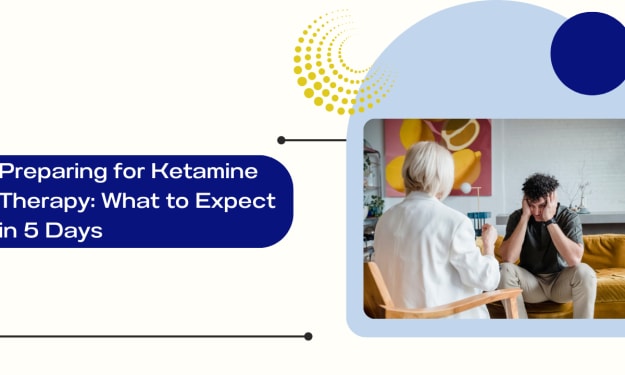
Preparing for Ketamine Therapy: What to Expect in 5 Days
There’s a certain mix of anticipation and nervousness that comes with preparing for ketamine therapy. I’ve been there-the quiet moments of wondering what lies ahead, grappling with hopes and fears all at once. Let’s face it: anything new, especially involving our mental health and well-being, can feel overwhelming. But with a little preparation and understanding, those days leading up to your ketamine sessions can be transformative, not just physically but emotionally too.
By Adrienne D. Mullins5 months ago in FYI
Exploring Dubai on a Budget: Affordable Things to Do
Let's be real, Dubai has a reputation for being a playground for the wealthy. But scratch beneath the gold-plated surface, and you'll discover a city brimming with surprisingly affordable adventures. After living here for three years and chatting with locals who know where the real value lies, I've learned that experiencing Dubai's magic doesn't require an endless wallet.
By Silverstone Rent a Carabout 7 hours ago in Journal



Comments
There are no comments for this story
Be the first to respond and start the conversation.