
Kagame Says South Africa Not Equipped to Mediate in DRC, Warns of Confrontation
Kagame Says South Africa Not Equipped to Mediate in DRC, Warns of Confrontation

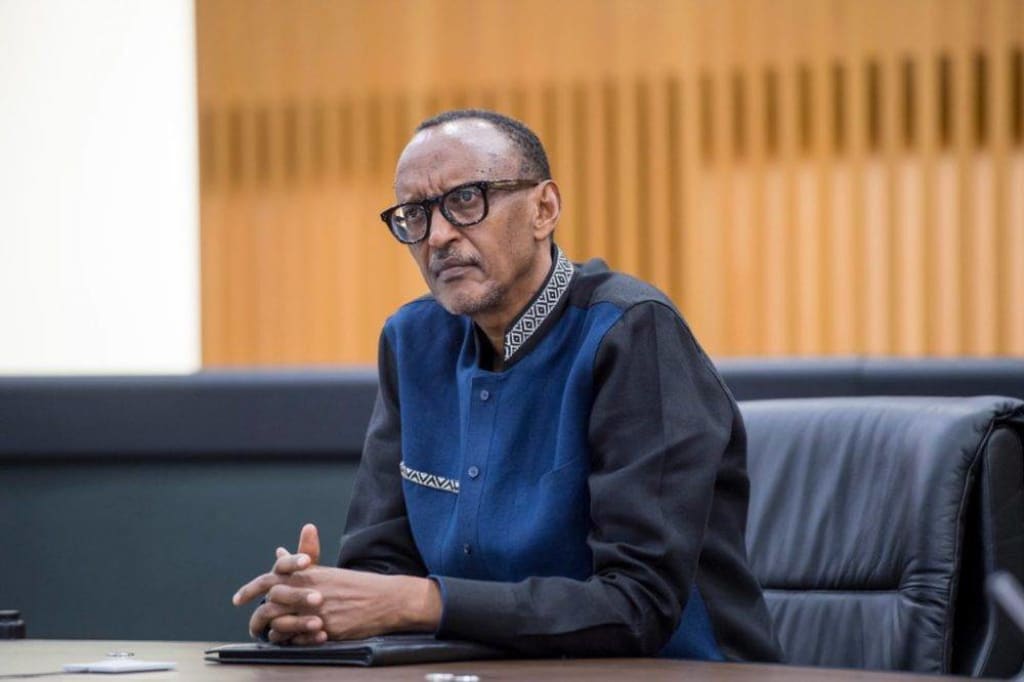
Rwandan President Paul Kagame has issued a strong rebuke against South Africa's role in mediating the ongoing conflict in the eastern Democratic Republic of Congo (DRC). Kagame accused South African President Cyril Ramaphosa and his government of distorting facts about Rwanda’s involvement and warned of potential confrontation if tensions continue to escalate.
The diplomatic rift between Rwanda and South Africa comes as violence in the eastern DRC intensifies, with South African troops suffering casualties while deployed as part of the Southern African Development Community Mission in the DRC (SAMIDRC).
Kagame Challenges South Africa’s Mediation Role
Kagame took to his X account (formerly Twitter) late on Wednesday night, rejecting Ramaphosa’s recent statements regarding their diplomatic discussions.
“What has been said about [the conversations I had with Ramaphosa this week] in the media by South African officials and President Ramaphosa himself contains a lot of distortion, deliberate attacks, and even lies,” Kagame posted.
He further questioned South Africa’s ability to serve as a mediator in the DRC conflict, asserting that SAMIDRC’s presence is not neutral but rather a "belligerent force" siding with the Congolese government.
South African Troop Deaths Fuel Tensions
The tensions between Rwanda and South Africa have escalated following the death of 13 South African soldiers who were part of SAMIDRC’s peacekeeping mission. The loss of South African troops has sparked political debate within Pretoria, as government officials justify their role in the regional peacekeeping efforts.
South African officials have pointed fingers at Rwandan-backed M23 rebels and the Rwandan Defence Force (RDF) for contributing to the violence. However, Kagame disputed these claims, stating that:
“President Ramaphosa has never given a ‘warning’ of any kind, unless it was delivered in his local language which I do not understand.”
He argued that SAMIDRC is working alongside the Forces Démocratiques de Libération du Rwanda (FDLR), a notorious militia with historical ties to the 1994 Rwandan genocide. Kagame accused South Africa of aligning with groups that pose a direct threat to Rwanda’s security.
South Africa’s Peace Efforts Under Scrutiny
South Africa has maintained that its military intervention is purely for peacekeeping purposes. President Ramaphosa defended SAMIDRC’s mission, emphasizing that its presence is aimed at protecting civilians and stabilizing the region.
“South Africa’s military presence in the eastern DRC is not a declaration of war against any country or state,” Ramaphosa stated.
He further urged all parties to:
- Respect existing peace agreements, including the Luanda Process.
- Uphold the territorial integrity of the DRC.
- Cease hostilities and engage in diplomatic solutions.
Despite these calls for peace, Kagame dismissed South Africa’s neutrality, stating that the East African Community Regional Force (EACRF) was the only legitimate peacekeeping operation in the region.
Kagame Warns of Confrontation
In his strongest statement yet, Kagame warned that Rwanda is prepared for confrontation if South Africa continues to interfere.
“If South Africa wants to contribute to peaceful solutions, that is well and good, but South Africa is in no position to take on the role of a peacemaker or mediator. And if South Africa prefers confrontation, Rwanda will deal with the matter in that context any day.”
Kagame also claimed that during private discussions, Ramaphosa admitted that M23 rebels were not responsible for the deaths of South African soldiers, but rather the Armed Forces of the DRC (FARDC).
Regional Implications and Future Outlook
The fallout between Rwanda and South Africa adds further complexity to an already volatile situation in the Great Lakes region. The DRC conflict has drawn in multiple stakeholders, including:
- The United Nations (UN), which has urged an end to hostilities and the withdrawal of foreign forces.
- The African Union (AU), which is working on diplomatic resolutions.
- Neighboring countries, such as Uganda and Burundi, which have a vested interest in the stability of the DRC.
With South Africa doubling down on its peacekeeping mission and Rwanda refusing to recognize its mediation efforts, the risk of further diplomatic fallout and military confrontation remains high.
The Kagame-Ramaphosa dispute highlights the fragile nature of regional diplomacy in Central and Southern Africa. While South Africa insists that SAMIDRC is a peacekeeping force, Kagame argues that it is a partisan entity supporting the Congolese government against Rwanda’s interests.
With tensions rising, the possibility of confrontation between Rwanda and South Africa cannot be ruled out. Whether diplomatic efforts will de-escalate the crisis or push the region closer to conflict remains to be seen.
Stay updated with the latest news on African geopolitics. Subscribe for more insights!
About the Creator
Omasanjuwa Ogharandukun
I'm a passionate writer & blogger crafting inspiring stories from everyday life. Through vivid words and thoughtful insights, I spark conversations and ignite change—one post at a time.
Keep reading
More stories from Omasanjuwa Ogharandukun and writers in Journal and other communities.
Caroline Kennedy Sparks Controversy Over RFK Jr.’s Political Aspirations
Caroline Kennedy, a prominent member of the Kennedy family and former U.S. ambassador to Australia, has made headlines after publicly denouncing her cousin, Robert F. Kennedy Jr., ahead of his confirmation hearing for health and human services secretary. In a scathing letter sent to U.S. senators, Caroline Kennedy described RFK Jr. as a “predator” and warned that his anti-vaccine advocacy and questionable past actions make him unfit for the role.
By Omasanjuwa Ogharandukun12 months ago in Journal



Comments (1)
Fascinating! No mediation? Great work! Well written