
Judo vs Jiu-Jitsu: Key Differences and How to Choose the Right Martial Art
Comparing two martial arts side by side

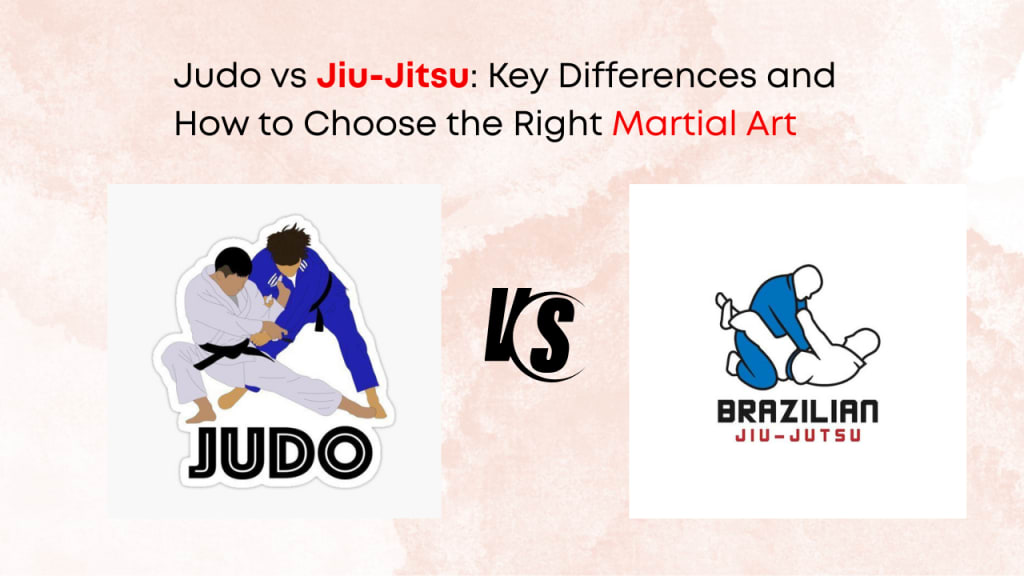
Picture this: you walk into a martial arts gym for the first time. On one side, people are being thrown clean over shoulders, landing with a heavy thud, only to bounce back up and bow respectfully. On the other, pairs are grappling on the mat, locked in chess-like struggles where one wrong move could mean submission. That’s Judo and Jiu-Jitsu, two arts born from the same roots yet branching into distinct paths.
I’ve been there, sitting on the edge of the mat, wondering, “Which one’s right for me?” The truth is, both disciplines offer more than just fighting skills. They can shape how you think, how you carry yourself, and even how you handle setbacks outside the dojo. But their differences matter, especially if you’re deciding where to invest your time and energy.
Origins: Shared Roots, Different Journeys
Both Judo and Jiu-Jitsu trace back to ancient Japanese martial traditions. Jiu-Jitsu, developed by samurai, was designed for close combat when weapons were lost or impractical. The focus was on control-joint locks, pins, and chokes that allowed a smaller fighter to neutralize a larger, armored opponent.
Judo came later. In the late 1800s, Jigoro Kano streamlined traditional Jiu-Jitsu techniques, removing some of the more dangerous ones and emphasizing throws, balance, and discipline. His vision wasn’t just about combat; it was about education, respect, and mutual benefit. Today, Judo is even an Olympic sport, celebrated worldwide for its athleticism.
The Core Focus: What Sets Them Apart
So, what really separates Judo from Jiu-Jitsu in practice?
- Judo: Primarily emphasizes throws and takedowns. Matches are often decided by who can execute the most effective throw or pin.
- Jiu-Jitsu (Brazilian Jiu-Jitsu, or BJJ, being the modern form): Specializes in ground fighting and submissions. It’s about technique over strength, turning the floor into a battlefield where leverage rules.
If Judo feels like learning how to fly and fall, Jiu-Jitsu is learning how to swim in deep water. Both require skill, patience, and resilience, but they test you in different ways.
Training Experience: What to Expect
When you step onto a Judo mat, you’ll spend a lot of time practicing how to fall safely (ukemi). It’s not glamorous, but it’s essential. The throws can be intense, and learning how to land without injury is half the art. Training sessions often involve repeated drills of hip throws, sweeps, and gripping techniques.
In Jiu-Jitsu, the rhythm is different. After some warm-ups and technique drilling, you’ll likely “roll”-sparring that mimics live combat on the ground. There’s a mental chess element here. You might spend minutes working toward an armbar or escaping a choke. The satisfaction of finding the right sequence of movements feels less like brute force and more like solving a puzzle.
Physical and Mental Benefits
Both arts transform you, but in unique ways.
Judo Benefits:
- Builds explosive strength and balance
- Enhances reflexes and agility
- Instills respect and discipline from its structured culture
Jiu-Jitsu Benefits:
- Develops problem-solving under pressure
- Increases endurance and flexibility
- Builds confidence in handling close-contact situations
Let’s face it, both will test your patience. You’ll get thrown around in Judo until you learn timing, and you’ll get tapped out in Jiu-Jitsu until you start anticipating your opponent’s next move. But those humbling moments are where the growth really happens.
Who Should Choose Judo?
Judo might be the right fit if:
- You’re interested in high-intensity throws and dynamic movement.
- You thrive in structured, Olympic-style sports with clear rules and scoring.
- You want to build strong athletic foundations-balance, coordination, and explosive power.
Who Should Choose Jiu-Jitsu?
Jiu-Jitsu may be the better choice if:
- You prefer ground-based strategy and patience-driven training.
- You’re drawn to self-defense that works even against larger, stronger opponents.
- You enjoy a less rigid training culture, where creativity and experimentation are encouraged.
My Personal Take
I’ll be honest-I started with Judo. The thrill of throwing someone cleanly onto the mat was addictive. But when I tried Jiu-Jitsu later, I realized something: I enjoyed the calm chaos of ground fighting. It taught me how to stay composed when I felt trapped, not just physically but emotionally too. That lesson carried into other areas of my life, work, relationships, and even handling stress.
The “right” choice isn’t about which art is better; it’s about which one speaks to you.
Common Misconceptions
- “Judo is only about throws.” Not true. Groundwork (newaza) is still an essential part of Judo, though not as emphasized as in BJJ.
- “Jiu-Jitsu is for smaller people only.” While it’s famous for helping smaller fighters succeed, it challenges and benefits everyone.
- “You have to pick one.” Many practitioners cross-train, blending the explosive takedowns of Judo with the intricate submissions of Jiu-Jitsu.
How to Decide Between Judo and Jiu-Jitsu
Here’s a practical way to choose:
- Visit local gyms for trial classes. The culture often matters as much as the techniques.
- Consider your goals: fitness, competition, self-defense, or personal growth.
- Talk to instructors and students. Their experiences can guide you more than any article.
And most importantly, pay attention to how you feel after a class. Energized? Inspired? That’s your answer.
Final Thoughts
Judo and Jiu-Jitsu are like two siblings with the same heritage but different personalities. One throws you high, the other pulls you in close. Both can build resilience, confidence, and strength-but only you can decide which journey feels right.
If you’re weighing options for yourself or even for your family, take a moment to think about long-term growth. Martial arts aren’t just about technique; they’re about shaping character. And if you’re searching for something meaningful for younger learners, many parents today explore programs in jiu jitsu for kids, where discipline, focus, and confidence are nurtured on the mat in ways that last far beyond training.
About the Creator
Angela R. Taylor
Hey community I’m Angela R. Taylor With a deep passion for Brazilian Jiu-Jitsu, I coach students of all levels, focusing on technique, discipline, and personal growth.
Keep reading
More stories from Angela R. Taylor and writers in Journal and other communities.
5 Ways Teens Brazilian Jiu-Jitsu Builds Confidence
Teenagers face a critical period of growth and self-discovery, often navigating challenges such as social pressures, academic stress, and self-esteem issues. One activity that stands out for its ability to empower teens is teens Brazilian Jiu-Jitsu. This martial art not only teaches practical self-defense but also fosters mental toughness, discipline, and confidence.
By Angela R. Taylor10 months ago in Journal
🅼🅸🅳🅽🅸🅶🅷🆃 🆂🅽🅰🅲🅺🆂
"It's 10 in Tuscon! We all know what that means... It's Time for Midnight Snacks with your man, Gerald Gee! Ready to spend the night together? Me too! I'm full of snacks and can't wait to regurgitate them all back into your hungry ears. Crack a brew! Pop some corn! Anything to get ready for one hell of a show where the talk maybe cheap but the words cut deep...
By Lamar Wiggins3 days ago in Fiction


Comments
There are no comments for this story
Be the first to respond and start the conversation.