
Jobs in Antarctica 2026: Work at British and US Research Stations – Chefs, Carpenters, Electricians Wanted No Science Degree Needed
Salary 41970$ per year.The Real Challenges: Not Just the Cold – Living in Close Quarters and Managing Team Conflicts

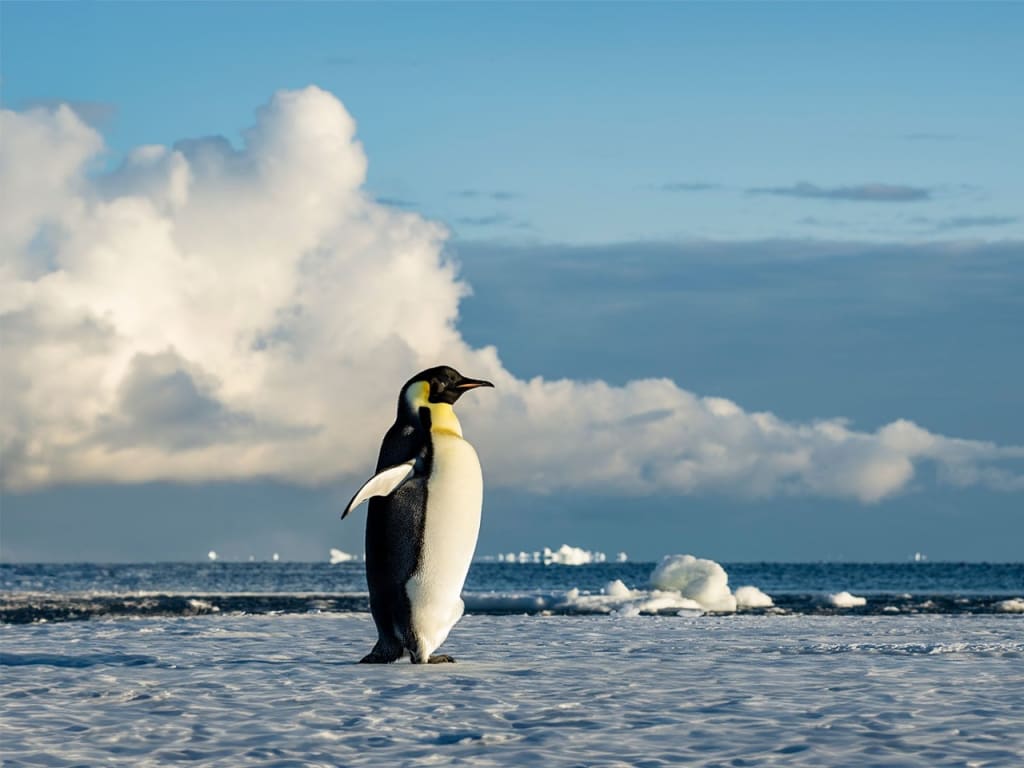
Britain and the United States are both looking for new employees for their research stations in Antarctica.
You don’t have to be a scientist to get a job there, as they also need carpenters, electricians, chefs, and even barbers.
But the question is: do you have the courage to endure Antarctica’s cold and isolation?
Dan McKenzie left his home in Wigan, UK, at the age of 19, and since then he has worked in many remote parts of the world.
The former marine engineer, now 38, is currently in the toughest job of his career. He is the station leader at the Halley VI Research Station in Antarctica.
It is one of five research stations on the icy continent operated by the British polar research organization, the British Antarctic Survey (BAS).
Dan says, “I’ve always been interested in exploring remote and uninhabited places.
“I used to work on ships, but I didn’t want to continue doing that. I wanted something similar, and I thought this job would match my skills well.”
Speaking from Antarctica on a cold day when the temperature was minus 15 degrees Celsius, Dan described his job. Outside his window, as far as the eye could see, there was snow beneath a vast blue sky.
He says, “This temperature is actually quite reasonable. The highest temperature here goes up to minus five degrees. Sometimes it can drop to minus 40 degrees, but generally it stays around minus 20.”
During the Antarctic summer, from November to mid-February, Dan is responsible for a team of 40 people stationed at Halley VI.
BAS stations monitor various aspects of wildlife and the environment. Halley VI mainly focuses on space and atmospheric data, studies the Brunt Ice Shelf, and monitors the hole in the Earth’s ozone layer.
The team not only faces extreme cold but also continuous daylight during the Antarctic summer, ending in a sunset that can last for several weeks.
Dan completed his first contract in 2019 and later became a station leader.
He started working for BAS as a mechanical maintenance engineer at the Rothera Research Station, located 1,000 miles from Halley VI.
As station leader, he oversees health, safety, and training. Dan also provides emotional support to the team, especially when isolation or close living conditions cause conflicts.
“People come into your office and say they’ve had a bad day or something has happened at home, and you have to figure out how to support them. It’s a very different kind of work.”
Dan is among the 120 BAS employees who were in Antarctica this summer season, which is now coming to an end. Most of them, including Dan, will return to the UK by the end of May, while about 50 people will stay behind to work through the dark winter months.
For the rest of the year, Dan will be based at BAS headquarters in Cambridge, although he has previously spent winters in Antarctica.
“When winter comes, you feel an incredible sense of freedom because most people leave.
“You feel like the freest person in the world. You’re left with a few strong-nerved individuals, and you really look after each other. You become like a small family.”
BAS recruits up to 150 new people for Antarctica each year. While science and engineering specialists are the backbone of the stations, about 70% of the jobs are practical roles essential for running the facilities.
In addition to electricians and chefs, there is also a need for nurses, doctors, and plumbers. Salaries start at $41,970 per year, and travel expenses, accommodation, food, and special clothing are provided.
Overall, around 5,000 people work at 80 research stations operated by 30 countries across Antarctica during the summer months.
Both BAS and the US Antarctic Program advertise their vacancies online. BAS also holds an open day in March.
However, people attracted to such jobs out of enthusiasm should first fully understand the conditions they may face.
Fresh food is limited, and alcohol consumption is restricted. BAS accommodation includes shared rooms, and staff work on a seven-day rotation schedule.
When selecting employees, BAS assesses candidates’ conflict management and problem-solving skills, followed by comprehensive training before deployment.
According to BAS Head of HR Marella Giannicola, the real challenges are often not the physical ones or the cold, but living in very close quarters with colleagues and following a strict routine.
She compares it to “going back to university.
“People often say, ‘I don’t have a problem living with others.’ But later they realize they don’t actually enjoy sharing space with others.
“It’s important to understand that you will have no privacy here because people are always right in front of you. You leave the freedom of your home and come to a place where the station leader sets the rules. Some people struggle to adapt.”
Clinical psychologist Dr. Duncan Precious served in the British and Australian armed forces from 2013 to 2020. He is now Clinical Director and Resilience Consultant at the defense consultancy CDS Defense & Security.
Although the physical risks in Antarctica can be significant, Duncan Precious says social behavior often creates bigger problems. When relationships break down, managing the consequences can be difficult.
However, Dan says that despite the physical and emotional challenges, the experiences gained during the job are unmatched. Contributing to environmental research also brings great satisfaction.
He admits, “When I first arrived, sharing a room with others was difficult, and the weather was quite bad. In the first month, I thought maybe this job wasn’t for me.
“But then you start going outside and seeing whales, seals, and islands from boats, and taking short trips in small planes. You think, ‘This is really amazing.’ This year I was lucky enough to see a colony of penguins.
About the Creator
Keep reading
More stories from Real content and writers in Journal and other communities.
Trump Extends Tariff Implementation Date to August 7
Trump Extends Tariff Implementation Date to August 7 President Donald Trump had previously announced that the implementation of his new tariffs on August 1 would bring significant change to the global economy. Administration officials had assured the public that this was a firm, non-negotiable deadline.
By Real content7 months ago in Journal
How to Plan a Perfect Maldives Holiday on a Private Island
The Maldives is a fantastic place to visit on your next vacation. Planning your next holiday to a private island in the Maldives lets you enjoy the gorgeous blue water, open skies, as well as the gorgeous sandy beach. This guide walks through the crucial aspects of preparing for your stay, helping you plan thoughtfully while keeping room for relaxation, ease, comfort and fun experiences from the moment you begin your journey.
By Jeewanthi Armstrongabout 11 hours ago in Journal




Comments
There are no comments for this story
Be the first to respond and start the conversation.