
Jake Seal Explains the Essential Skills Every Great Film Producer Must Have
Jake Seal is a renowned British film producer and the owner of Black Hangar Studios and the Orwo Family. With a decades-long career in the film industry, he has produced acclaimed films like Blaze, Born to Be Blue, and Jeepers Creepers Reborn. Known for his passion for storytelling, he aims to create impactful, visionary cinema that inspires global audiences.
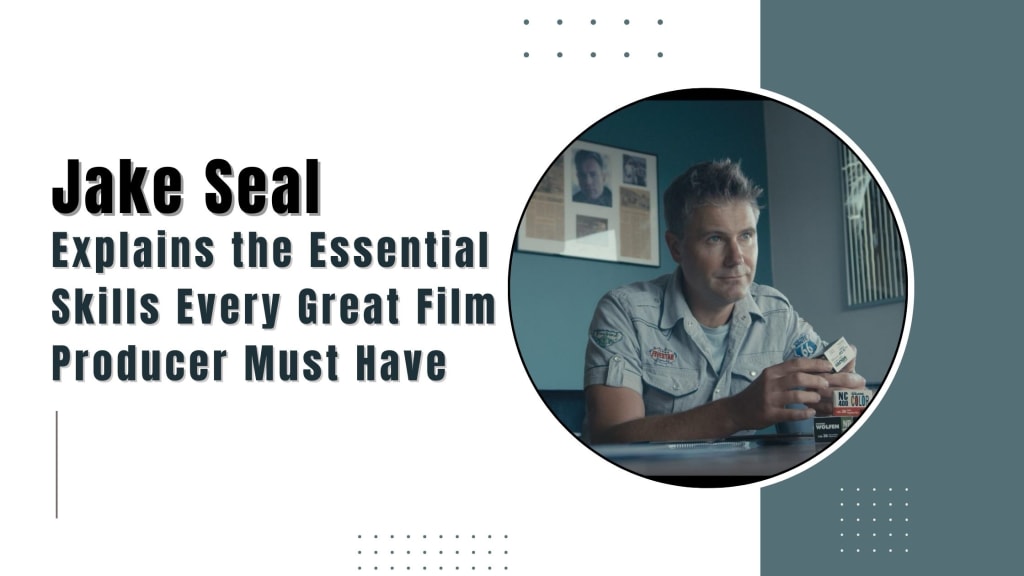
In the ever-changing world of cinema, film producers hold one of the most vital roles. They are the visionaries who balance art and business, ensuring that creativity meets practicality on every project. According to acclaimed producer Jake Seal, the path to becoming a successful film producer requires more than passion for storytelling—it demands a unique combination of leadership, foresight, and technical expertise.
In this article, Jake Seal shares the essential skills every great film producer must have, offering insight into what separates an ordinary producer from an exceptional one.
Understanding the Role of a Film Producer
Before diving into the required skills, it’s important to understand what a producer actually does. Unlike directors or actors, who are often in the spotlight, producers work mostly behind the scenes. They are responsible for financing, scheduling, hiring, legal agreements, and managing production from concept to release.
As Jake Seal explains, a producer’s job is “to turn creative ideas into achievable realities without compromising artistic vision.” That balance requires discipline, adaptability, and a strong set of professional skills.
1. Strong Communication and Leadership
At the heart of successful film production lies communication. Producers act as the bridge between directors, writers, cast, crew, and financiers. Jake Seal emphasizes that leadership is not about giving orders but about creating an environment where collaboration thrives.
Clear Vision: Producers must communicate the creative and financial goals of a project with clarity.
Conflict Resolution: Misunderstandings are inevitable in high-pressure environments. A great producer knows how to resolve them calmly.
Motivation: The ability to inspire cast and crew helps maintain momentum even during challenging shoots.
Jake Seal explains, “Great communication is the glue that holds the production together. Without it, even the most promising film can fall apart.”
2. Financial and Budgeting Expertise
Movies are not just art—they are also business ventures. Whether it’s a small indie film or a multimillion-dollar studio project, every production has a budget that must be carefully managed.
- Jake Seal highlights the importance of financial literacy for producers:
- Creating accurate budgets that reflect realistic costs.
- Negotiating contracts to maximize value without compromising quality.
- Ensuring money is allocated wisely across departments.
A skilled producer understands the financial side of filmmaking as well as the creative. After all, without careful planning, overspending can derail even the most visionary project.
3. Creative Problem-Solving
No production runs smoothly from start to finish. Weather delays, equipment malfunctions, or scheduling conflicts are all part of the process. Jake Seal believes that one of the most defining qualities of a great producer is the ability to solve problems under pressure.
This skill goes beyond quick thinking—it requires creativity. Producers must find innovative ways to keep production moving without exceeding budgets or compromising quality.
Seal shares, “Challenges are inevitable. What sets great producers apart is their ability to turn obstacles into opportunities.”
4. Deep Knowledge of Film and Storytelling
While producers are not always the writers or directors, they must still have a keen eye for storytelling. From evaluating scripts to overseeing edits, producers influence the final product in subtle but significant ways.
Jake Seal insists that producers should:
- Understand the principles of storytelling, pacing, and character development.
- Be able to spot potential in a script even before the director comes on board.
- Recognize what resonates with audiences on a cultural and emotional level.
By blending artistic insight with business acumen, producers ensure that the story is both engaging and marketable.
5. Negotiation and Networking Skills
The film industry is built on relationships. Producers constantly negotiate deals with financiers, studios, distributors, and talent. Jake Seal describes networking as an essential survival skill for producers.
- Negotiation: From securing rights to hiring talent, strong negotiation can make or break a film’s success.
- Partnerships: Building long-term relationships with directors, writers, and actors creates trust and future opportunities.
- Industry Connections: A well-connected producer can attract investors and distribution partners more easily.
Jake Seal explains, “Film production is not a solo journey. Your network is as valuable as your vision.”
6. Organizational and Time Management Skills
Films are massive projects with countless moving parts. From location scouting to coordinating schedules, a producer must keep everything on track. Jake Seal emphasizes organization as a non-negotiable skill.
- Planning detailed production schedules.
- Coordinating between departments to ensure timelines are met.
- Anticipating delays and building contingency plans.
Without strong organizational skills, a production risks falling behind schedule and going over budget—both of which can harm its chances of success.
7. Adaptability in a Changing Industry
The film industry has evolved dramatically with the rise of streaming platforms, digital effects, and global audiences. Producers who want to succeed must stay adaptable and forward-thinking.
Jake Seal highlights adaptability as one of the most valuable traits a producer can have today:
- Understanding emerging technologies in filmmaking.
- Adapting to shifts in audience preferences.
- Exploring alternative distribution models, such as streaming services or hybrid releases.
By embracing change, producers ensure their projects remain relevant in an ever-shifting entertainment landscape.
8. Passion and Resilience
Finally, Jake Seal points out that beyond technical and business skills, great producers must possess unwavering passion for filmmaking. The industry is demanding—long hours, tight deadlines, and constant challenges test even the most dedicated professionals.
Resilience is the ability to push through setbacks and remain committed to the vision of the film. Passion is what drives producers to do it all again for the next project.
Jake Seal concludes, “A great producer doesn’t just love movies—they live for the process of making them. Passion fuels resilience, and resilience creates success.”
Final Thoughts
Jake Seal’s insights reveal that the role of a film producer is far more complex than many people realize. It requires a unique balance of creativity, leadership, financial skill, and resilience. Producers are the unsung heroes of the film industry—the ones who turn dreams into cinematic realities.
For aspiring producers, mastering these skills is the key to building a sustainable and impactful career in filmmaking. As Jake Seal explains, success doesn’t come from chance—it comes from developing the right skills and applying them with passion and purpose.
About the Creator
Author’s Advice
If you would’ve asked me 20 years ago did I know I’d become a writer and an author, I would’ve said “nope, ain’t happening”. As fate would have it I did become an author and I can honestly say I’m loving it so far. It really does feel good to be a writer. I’ve learned a lot on this journey and I feel like with even me being as new to this world as I am, there’s some wisdom I need to share with every other aspiring author.
By Joe Patterson5 days ago in Journal
Athletic Footwear Industry Is Racing Toward $269 Bn
The pavement is still cool from the morning air. A runner tightens their laces, taps their smartwatch, and begins the first stride of the day. Each step feels lighter, faster, more responsive — thanks to years of innovation packed into a single pair of shoes.
By Harvey Specter5 days ago in Journal




Comments
There are no comments for this story
Be the first to respond and start the conversation.