
Is Razorwire or Barbed Wire Best For Your Requirements?
Barbed tape undoubtedly has a psychologically repelling effect, due its physical appearance. It acts as a deterrent to intruders because of its known ability to rip flesh and clothing, inflicting severe cuts on those attempting to breach it.
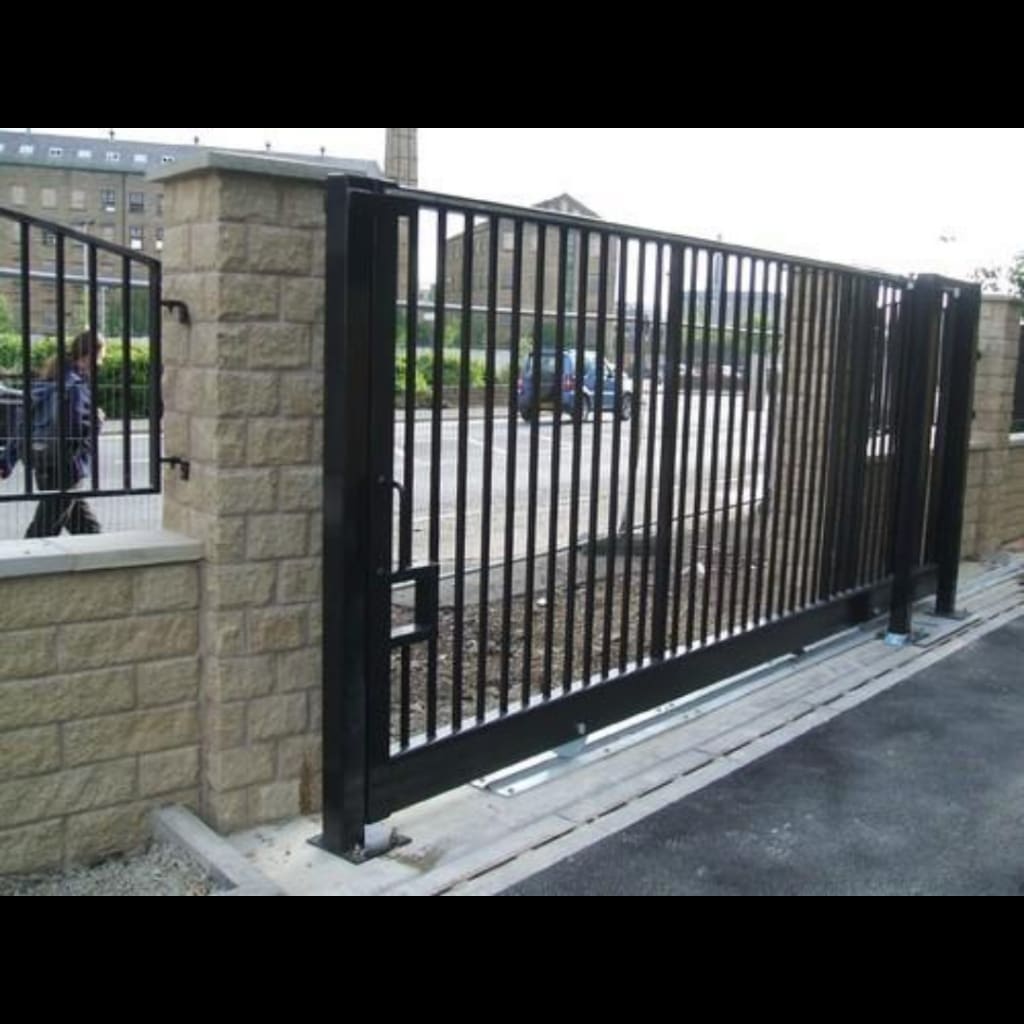
Many of us have heard of barbed wire, but barbed tape (also known as razorwire), may be less familiar to some. Barbed wire was developed to stop the passage of humans and animals, whilst barbed tape is undoubtedly focused upon preventing human movement, due to it being much sharper. It is designed with sharp points to grip flesh and clothing very effectively. It can be placed on top of palisade fencing and create a significant obstacle to anyone attempting to scale it.
If you are unsure which type of security wire is best for your requirements, read on as this article will explain more about the history, manufacture and usage of both types of fence. If your organisation is responsible for sensitive sites such as detention, airports, transport hubs or power stations, securing these facilities, both inside and out, is one of the highest priorities. They are high risk areas that can be targeted for deliberate attack and therefore need to meet rigorous government safety standards.
Understanding product development
Barbed tape undoubtedly has a psychologically repelling effect, due its physical appearance. It acts as a deterrent to intruders because of its known ability to rip flesh and clothing, inflicting severe cuts on those attempting to breach it. Barbed wire was a precursor to barbed tape, after it became apparent that it could be disabled relatively rapidly by humans with the right tools. It is still highly effective in agricultural settings however, particularly for keeping livestock within designated areas.
Joseph F. Glidden, born in America in 1813, developed the current barbed wire design of a double wire strand being used to hold a barb firmly in place. Fencing had become a necessity for the settlement of the great American plains at this time, to keep humans out and livestock in place. Until that time there had been no adequate solution to safeguarding a property and belongings. It was a hugely successful product and was widely taken up. Its design proving to be so effective that it is still in use nearly 200 years later.
Fast forward to the 1960’s and barbed tape began to be utilised in correctional facilities and mental institutions, where it was more about keeping inmates inside. The material had evolved again by the 1980’s, as it was rolled out to military operations. It is undoubtedly dangerous in nature and its use is prohibited in some areas by some countries. Contact is likely to puncture skin and cause mild to very severe cuts, there is also the potential for infection if the steel has become corroded.
Understanding different construction techniques
Both barbed wire and razorwire present as straight or spiral coils of wire. Barbed wire is typically manufactured in steel that is plain or galvanized, but razorwire also comes in stainless steel due to its resistance to rust and therefore suitability to harsh climatic conditions and even under water. The wire has an effective lifespan of between seven to 50 years, depending upon the material and the location it is placed within.
It is the size of the barb which typically categorises the product in to short, medium and long tape varieties. The structure of the wire is also variable and includes shapes such as:
- Helical - which naturally spirals and is the most simple.
- Concertina – frequently deployed in security installations, such as atop palisade fencing in an accordion loop configuration.
- Blade – presents as a straight line and is attached to a frame.
The Helical and Concertina style wires can be single or double coiled, the double offering a higher level of security as a smaller coil is implanted within a larger one to create a more formidable barrier.
Barbed wire is effective due to the ‘barbs’, or spikey shafts, of the ends of smaller wire that project out from the main wire. Animals or humans that come in to contact with it are usually deterred from wanting to push any further against it. Razorwire, on the other hand, is constructed differently from a steel tape that has smaller, very sharp edges at narrow intervals along its length. Due to their being so close together, these razor-like edges are almost impossible to get past without being hurt.
Making your final decision
If you are unsure as to which solution is best for your requirements, consult with an expert in the field. An organisation that specialises in the production of high security fencing and gates, will have the qualified expertise to discuss razorwire and other high security fencing solutions. You may also have a requirement for accompanying security gates and palisade fencing. Working with an experienced provider that can design, manufacture and install these products will ensure that you receive the most up to date recommendations on materials and designs that will be up to the task.
About the Creator
Keep reading
More stories from Gryffin au and writers in Journal and other communities.
~ Fired ~
— Ai Intrusion ~ Are you Next ~ Is Ai Evolution after your job? — Few workplaces haven't been affected. Ai is in supermarkets, at doctors' offices, and even monitoring farms. I just can't think of anything this machine is not getting into, can you? For instance: Education ~ Law and Tech jobs will one day have a major influence or be taken over by these inanimate machines, with accuracy and vigor. From mechanics' diagnoses to a wide variety of everyday jobs, including fast food workers, with this input having the ability to cut their unnecessary work hours. I'm certain all of us have been touched by this with our short stories and colorful headings, have you? Even comments are very questionable 'Non-Robot' insertions.
By Jay Kantor2 days ago in Journal


Comments
There are no comments for this story
Be the first to respond and start the conversation.