
Is Moss Agate an Ethically Sustainable Gemstone?
Moss agate is ethically sustainable, why?
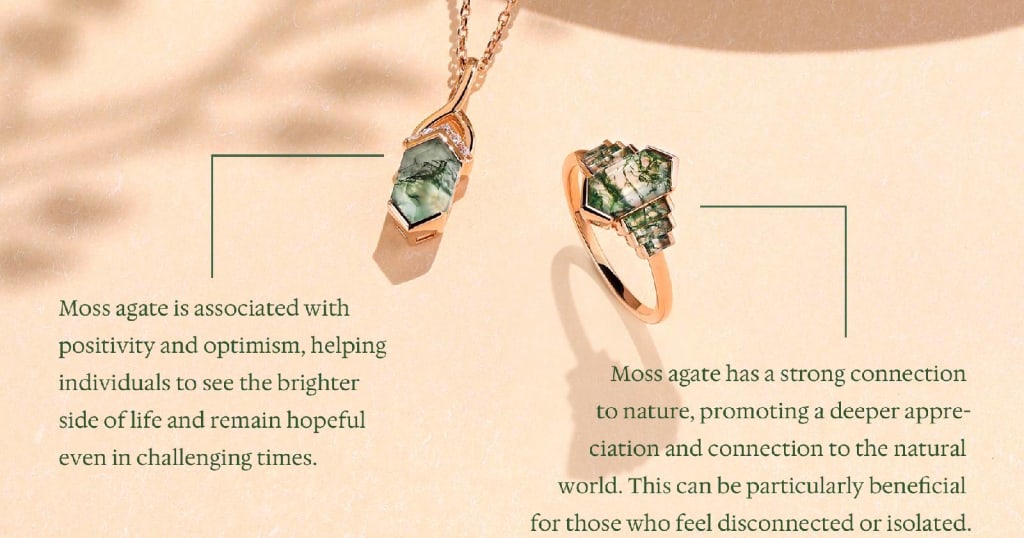
Moss agate is a captivating gemstone known for its unique green, moss-like inclusions that resemble plant life. Unlike many gemstones, moss agate isn't a true agate but a variety of chalcedony, a type of quartz. Its beauty and appeal have made it popular in jewelry and as a collector's stone. However, with growing awareness of ethical sourcing and sustainability in the gemstone industry, it's essential to ask: Is moss agate an ethically sustainable gemstone?
The Mining Process of Moss Agate
Moss agate is typically mined from a variety of locations around the world, including countries like the United States, India, Brazil, and Uruguay. The methods used to extract moss agate can vary significantly, with some regions utilizing more sustainable and responsible techniques, while others may rely on traditional or even less regulated mining practices.
- Traditional Mining: In regions where traditional or small-scale mining practices are common, environmental impacts can be significant. These methods may involve limited regulation, leading to habitat destruction, water pollution, and erosion. Furthermore, in some cases, workers may be subjected to unsafe working conditions and may not receive fair compensation.
- Large-Scale Mining: In contrast, larger-scale mining operations, often associated with major companies, can be subject to government regulations. While this can result in better working conditions and some level of environmental safeguards, large-scale operations still contribute to deforestation and soil degradation, especially when proper land reclamation and environmental protection measures aren't in place.
Ethical Considerations in the Gemstone Industry
The ethical concerns surrounding gemstones like moss agate aren't just about environmental impacts but also about human rights and labor practices. Ethical mining practices ensure that workers are paid fairly, work in safe environments, and are not subjected to exploitation.
- Fair Labor Practices: In many mining areas, especially in developing countries, there is a history of unethical labor practices, including child labor, unsafe working conditions, and low wages. However, some gemstone mines are now working towards fair labor standards, partnering with organizations that promote transparency and ethical working conditions.
- Fair Trade Certifications: Some companies and jewelers are now focusing on sourcing gemstones that have fair trade certification, meaning that the gemstones are mined using ethical labor practices and with an emphasis on sustainable environmental practices. While moss agate doesn't have a specific, globally recognized certification like "Fairmined," many responsible jewelers strive to ensure the stones they sell meet high ethical standards.
The Role of Transparency in Moss Agate Sourcing
One of the challenges with moss agate, like many gemstones, is the lack of transparency in its supply chain. Unlike diamonds or colored gemstones like sapphires, moss agate doesn’t have a comprehensive system in place for tracking its journey from mine to market. This makes it harder for consumers to know whether the stones they purchase were ethically sourced.
To address this, consumers are increasingly turning to jewelers and brands that prioritize ethical sourcing. Some businesses have begun to work directly with miners or cooperatives to ensure that their gemstones come from sources that align with sustainable and ethical values.
Sustainability and Moss Agate
While moss agate itself isn’t a stone that typically requires heavy mining practices to extract, the overall sustainability of the gemstone is tied to the practices used by those who mine and sell it. To ensure moss agate is sustainably sourced, it’s important to focus on the following factors:
- Local Regulations and Environmental Impact: Moss agate mining should be done in accordance with local environmental regulations to prevent habitat destruction, water contamination, and other ecological impacts. Ideally, mining companies should work toward restoring mined areas to their natural state once extraction is complete.
- Reducing Carbon Footprint: The transportation of moss agate from remote mining locations to global markets contributes to its carbon footprint. By sourcing moss agate from local or regional suppliers, the carbon emissions associated with transportation can be minimized.
- Sustainable Jewelry Practices: Beyond the mining process, sustainability in the jewelry industry extends to how gemstones are cut, set, and sold. Using recycled metals and sustainable practices for jewelry creation can significantly reduce the environmental impact of the final product.
Conclusion: Moss Agate’s Potential for Ethical Sustainability
Moss agate, while not without its ethical concerns, has the potential to be a relatively sustainable gemstone. The key to its ethical sourcing lies in the transparency of the supply chain and the efforts made by miners, suppliers, and jewelers to adopt responsible practices. With growing consumer demand for ethically sourced materials, there is hope that the industry will continue to evolve toward more sustainable and humane practices.
To ensure you’re purchasing ethically sourced moss agate, look for jewelers that prioritize transparency, fair labor practices, and environmental sustainability. Whether you're looking for a stunning moss agate ring, moss agate pendant necklace, or a beautiful piece of moss agate jewelry, supporting companies committed to ethical standards will help promote a more sustainable gemstone industry, even for stones like moss agate.
About the Creator
Keep reading
More stories from Evelyn Hughes and writers in Journal and other communities.
The Hottest Engagement Ring Gemstones of 2025
Engagement rings have always been symbols of love and commitment, and with the arrival of 2025, the jewelry world is introducing new innovations and personalized designs, adding fresh allure to these timeless pieces. This year’s engagement ring gemstones go beyond traditional choices, embracing creativity and individuality. From rare natural gems to dazzling lab-grown diamonds, these gemstones are not just beautiful adornments—they hold deep meaning, representing promises and emotions. Let’s explore the hottest engagement ring gemstones of 2025 and help you find the perfect symbol of your unique love story.
By Evelyn Hughes 11 months ago in Journal



Comments
There are no comments for this story
Be the first to respond and start the conversation.