
Is It Good if GPT Does All the Work?
Benefits, Risks, and the Future of AI in Our Lives

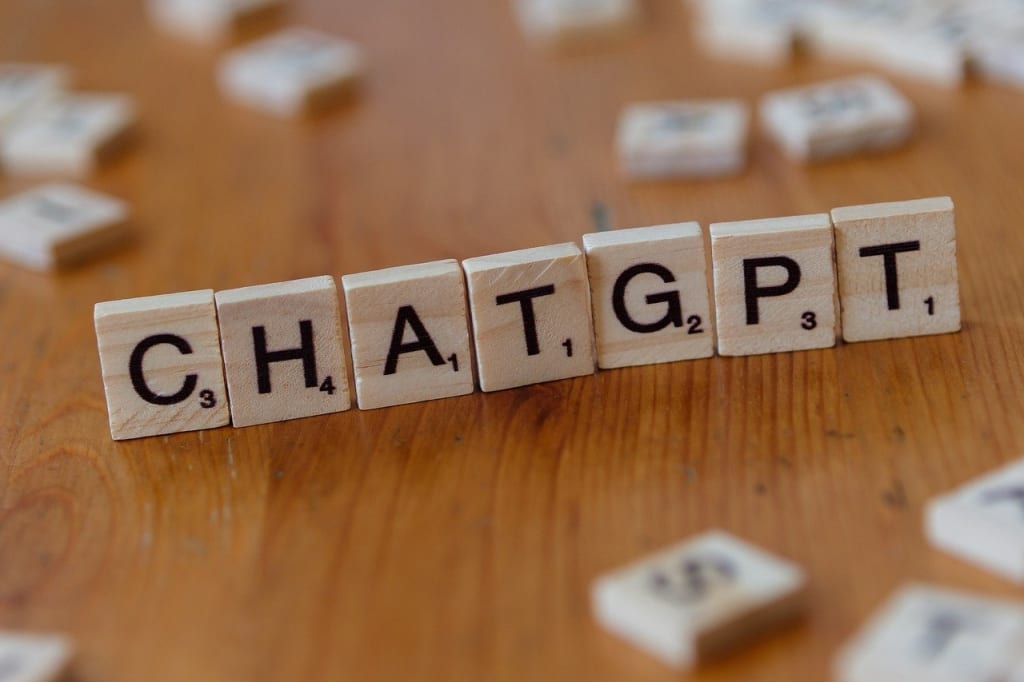
In recent years, artificial intelligence models like ChatGPT have taken a central role in both professional and personal life. The question more and more people are asking is simple yet profound: “Is it good if GPT does all the work for us?”
From writing texts and programming to data analysis, artistic creation, and even basic psychological support, GPT and similar tools promise a revolution in productivity. But what does this mean for jobs, creativity, and the future of humanity?
In this article, we’ll explore the advantages and disadvantages of a world where AI takes over daily tasks, offering a critical and well-balanced perspective.
Why Do People Want GPT to Do All the Work?
1. Increased productivity
One of the biggest benefits of using GPT is speed. What would take a human hours to write, AI can generate in seconds. For example, in digital marketing, email campaigns or social media posts can be created instantly, saving time and money.
2. Cost reduction
Companies are investing heavily in AI precisely because it can replace repetitive work done by multiple employees. Instead of paying entire teams for basic tasks, a GPT model can deliver similar—or even better—results at much lower costs.
3. 24/7 availability
Unlike humans, AI doesn’t need breaks, sleep, or vacations. GPT can work around the clock, making it an ideal tool for customer support, technical assistance, or global services.
4. Democratization of knowledge
Anyone with internet access can use GPT to learn, get clear explanations, and access resources that were previously reserved for experts. This reduces educational barriers and creates new opportunities.
The Risks of a World Where GPT Does Everything
1. Job loss
The most obvious risk is mass automation. Jobs in fields like journalism, basic programming, customer support, or data analysis are already under threat.
The question is: will people find new fields to reinvent themselves, or will they be replaced entirely?
2. Excessive dependence on AI
If we let GPT do all the work, we risk losing essential skills such as critical thinking, problem-solving, and authentic creativity.
For instance, a student who lets AI write all their essays will no longer learn to argue on their own. Over time, society may become overly dependent on technology and more vulnerable.
3. Ethical and accountability issues
Who is responsible if GPT makes a mistake? If an AI generates false information or dangerous medical advice, who answers for it? The lack of regulation and legal accountability is a major problem.
4. Risk of thought uniformity
GPT relies on existing data. Therefore, it produces “average” answers, based on what it has learned from already-written texts. Instead of diversity and originality, we risk ending up with cultural uniformity, where all ideas look the same.
Hidden Benefits: When It’s Actually Good if GPT Does Everything
Although risks exist, there are scenarios where full automation through AI is clearly beneficial:
Healthcare: GPT can quickly analyze medical records, suggesting solutions doctors might overlook.
Safety: AI can take over dangerous tasks (mining, handling toxic substances, testing complex systems).
Accessibility: People with disabilities can benefit greatly from GPT as a personal assistant, translator, or content generator.
In these cases, having GPT do “all the work” is not only efficient but also beneficial to humanity.
How Can We Find Balance?
1. Human–AI collaboration
Instead of viewing GPT as a replacement, we should see it as a work partner. A combination of human creativity and AI efficiency can produce outstanding results.
2. Education and adaptation
Schools and universities should teach students not only how to use AI but also how to think critically when interpreting results. Unique human skills like empathy and intuition must be cultivated.
3. Clear regulations
Governments need to establish laws defining AI accountability limits. Workers affected by automation should also be protected through reskilling and career transition programs.
So, is it good if GPT does all the work?
The answer isn’t simple. On one hand, AI promises a more efficient, more accessible, and safer world. On the other, there’s the risk of humans becoming dependent, losing jobs, and even reducing their own cognitive and creative capacities.
The best scenario is not one where GPT does everything, but one where GPT and humans work together. AI should take over repetitive and dangerous tasks, while humans focus on what makes them unique: creativity, empathy, intuition, and critical thinking.
So, it’s not bad if GPT does a lot of the work — but it’s essential that we remain the masters of direction in which the digital world is heading.
About the Creator
Nyku Blondu
📚 I enjoy exploring a wide range of topics – from personal reflections and inspiration to culture, art, and everyday life.
✍️ I believe in the power of words to connect people and awaken emotions.
Keep reading
More stories from Nyku Blondu and writers in Journal and other communities.
How Artificial Intelligence is Transforming School Communication in the Digital Age
In an era where technology advances rapidly and artificial intelligence (AI) becomes an integral part of our daily lives, schools must adapt their public relations (PR) strategies to remain relevant, transparent, and effective.
By Nyku Blondu6 months ago in Journal
Why FRP Grating Is Quietly Replacing Steel
For decades, the sound of industry was unmistakable—steel platforms echoing beneath heavy boots, sparks flying during maintenance work, and rust slowly claiming structures that once symbolized strength. Factories accepted deterioration as inevitable. Corrosion was simply part of doing business. But step into a newly upgraded industrial plant today, and something feels different.
By efingutthomasabout 6 hours ago in Journal
When the Shelter Closes
Across the street from my house, a man slept under a tree, his dog by his side. My first, naive thought: he must be traveling through. But he kept coming back, often sleeping there during the day. Then it hit me—that person might not have a home.
By Bride of Sound5 days ago in Humans



Comments
There are no comments for this story
Be the first to respond and start the conversation.