
Is FUE or FUT Hair Transplant Better for Your Hair Type?
Hair Transplant
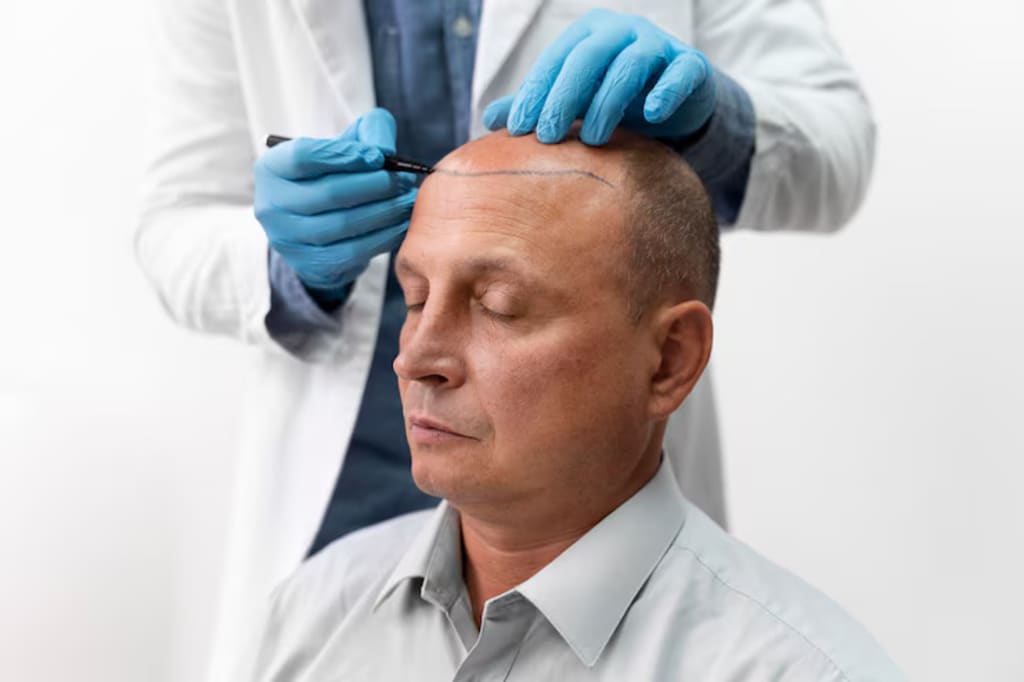
When considering a hair transplant, one of the most important decisions is whether to choose Follicular Unit Extraction (FUE) or Follicular Unit Transplantation (FUT). Both of these methods are popular and effective, but the best option depends on your hair type, goals, and preferences. If you're looking for a hair transplant in Bangalore or anywhere in India, you will find both techniques being widely offered, but understanding the differences can help you make an informed decision for your hair restoration journey.
What is FUE Hair Transplant?
FUE (Follicular Unit Extraction) is a modern, minimally invasive technique for hair restoration. In this procedure, individual hair follicles are extracted from the donor area (usually the back or sides of the head) using a tiny, circular punch tool. These follicles are then carefully implanted into the thinning or balding areas. Since the process doesn’t involve cutting a large strip of skin, there’s minimal scarring, and recovery tends to be quicker. FUE is especially beneficial for people looking for a more discreet procedure with less downtime.
What is FUT Hair Transplant?
FUT (Follicular Unit Transplantation), on the other hand, involves removing a strip of skin from the donor area, usually from the back of the head. The hair follicles are then extracted from this strip and transplanted into the areas with hair loss. While this method leaves a linear scar, it allows for the transplantation of a larger number of follicles in a single session, making it a good choice for people with extensive hair loss. FUT is considered a more traditional technique and has been around for longer than FUE.
FUE vs FUT: How They Differ?
Procedure and Technique
- FUE: In FUE, individual hair follicles are extracted one by one, using a small punch tool. This allows for precision and minimal scarring.
- FUT: FUT involves removing a strip of skin from the donor area. After the strip is removed, individual follicles are harvested and transplanted into the thinning areas. This method can result in a linear scar, which may be visible if the hair is cut very short.
Scarring
- FUE: The scarring from FUE is minimal and barely noticeable, as tiny circular scars are spread across the donor area. These scars can be hidden easily, even with short hair.
- FUT: FUT leaves a linear scar, which can be noticeable if the hair is shaved very short. However, the scar is usually well hidden with longer hair, and the healing process can take a bit longer.
Recovery Time
- FUE: FUE has a shorter recovery time. Most people can return to work or normal activities within a few days, and there is minimal discomfort after the procedure.
- FUT: FUT involves a longer recovery time, as the donor area requires stitches to close the wound. It can take a week or more for the area to heal completely, and you may need to avoid strenuous activities for a few weeks.
Number of Grafts
- FUE: FUE is a slower process because individual follicles are extracted. This can limit the number of grafts that can be transplanted in a single session, though the method is ideal for smaller areas or more targeted restoration.
- FUT: FUT can yield a larger number of grafts in a single session, which makes it ideal for individuals with more extensive hair loss.
Suitability for Hair Types
- FUE: FUE is suitable for individuals with all hair types, including curly and wavy hair. The technique works well for people with a limited donor supply, as fewer grafts are needed. FUE also works well for people who have thin or fine hair.
- FUT: FUT is often recommended for people with thick hair and those who need a large number of grafts. The procedure is more suited for individuals who have a good amount of donor hair to work with and who are comfortable with a linear scar.
Which Method is Better for Your Hair Type?
Choosing between FUE and FUT depends on various factors, including your hair type, hair loss pattern, and personal preferences. Here’s a breakdown of which method may be better for you based on your hair type:
For Fine or Thin Hair
FUE is often the better choice for individuals with fine or thin hair. Since the extraction process is minimally invasive, it allows for a more precise and natural-looking result. FUE also offers less scarring, which is especially important when the hair is thin.
For Curly or Wavy Hair
FUE tends to work well for curly or wavy hair because the individual follicles are extracted carefully. The procedure can handle the natural direction and curl of the hair, ensuring that the transplanted follicles grow in the right direction.
For Thick Hair
FUT is an excellent option for people with thick hair, especially if they require a large number of grafts. FUT can harvest more follicles in one session, making it ideal for those with significant hair loss or thicker hair that requires extensive restoration.
For People Who Need Large Graft Numbers
If you have extensive baldness or need a high number of grafts, FUT may be the better option. It can yield more grafts in one session, which is helpful if you need full coverage.
For Those with Limited Donor Hair
FUE is better suited for people with limited donor hair. Since FUE extracts individual follicles, it can provide a more discreet and less invasive result, and there is less risk of depleting the donor area.
Conclusion
Choosing between FUE and FUT for your hair type depends on your individual needs, preferences, and the extent of your hair loss. Both methods have their own advantages, so it's important to consult with an experienced hair transplant surgeon in Bangalore or elsewhere in India to determine the best option for you. If you want minimal scarring and faster recovery, FUE may be the way to go. However, if you need a larger number of grafts and don’t mind a linear scar, FUT could be the better option. Ultimately, the right procedure will depend on factors like your hair texture, desired results, and lifestyle.


Comments
There are no comments for this story
Be the first to respond and start the conversation.