
Iran. A Formidable Foe... or Not?
Dust of Discontent: Troubled Times in the Middle East.

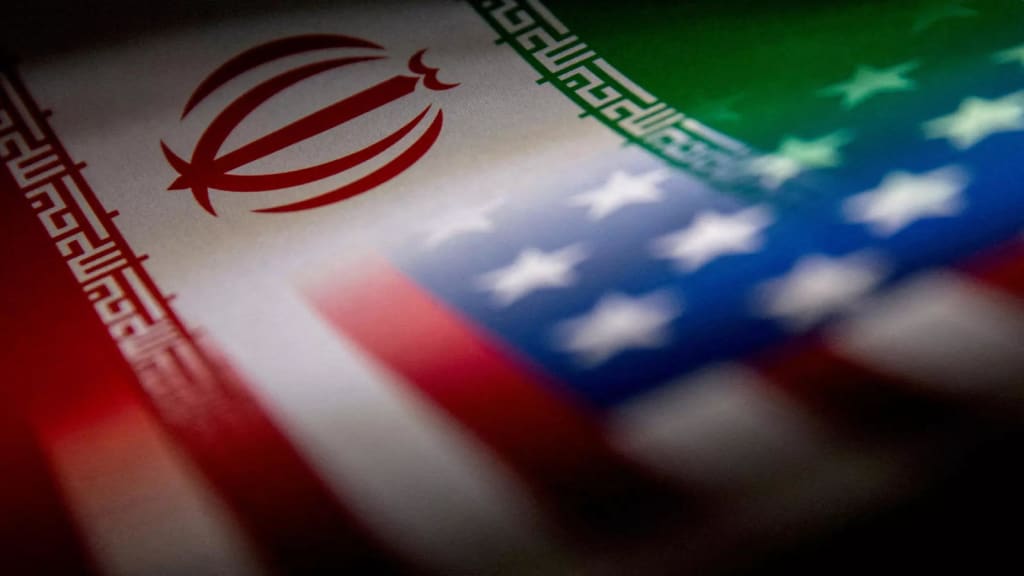
In the hazy corridors of international politics, the relationship between the United States and Iran was a complex tapestry woven with diplomatic intricacies and historical tensions. The world watched with bated breath as the two nations navigated a delicate dance of power, influence, and conflicting ideologies.
Amidst the intricate geopolitical landscape, whispers of Iran emerging as a formidable foe to the United States began to echo through diplomatic circles. The backdrop was set against a backdrop of nuclear negotiations, regional conflicts, and economic sanctions that strained the delicate balance between the two nations.
In Tehran, a seasoned diplomat named Farid Al-Mir led Iran's efforts to assert its influence on the global stage. Known for his tactical brilliance and ability to navigate diplomatic minefields, Farid was regarded as a formidable strategist. His vision was clear — to position Iran as a regional powerhouse and assert its sovereignty in the face of external pressures.
The seeds of contention lay in the nuclear deal negotiations. As the United States sought to impose restrictions and monitor Iran's nuclear activities, the Iranian government, under Farid's guidance, responded with defiance and a steadfast commitment to its nuclear ambitions. The tension escalated, with rhetoric on both sides reaching a crescendo.
In the cyber realm, Iran showcased its prowess. A series of cyber-attacks targeted U.S. institutions, causing disruptions and raising questions about the vulnerability of American cybersecurity infrastructure. The digital battlefield became a new frontier, and Iran's capabilities were showcased with an audacious display of technological prowess.
As the world anxiously observed, a series of regional conflicts further heightened the stakes. Iran's influence stretched across the Middle East, from Iraq to Syria, with proxy groups exerting strategic leverage. The United States, in turn, sought to counterbalance this influence, navigating a delicate dance of alliances and military presence in the region.
However, beneath the surface of geopolitical posturing, there were moments of diplomatic thaw. Backchannel communications and secret talks hinted at the potential for dialogue and understanding. The international community, wary of the consequences of escalating tensions, urged both nations to find common ground.
In the end, the question of whether Iran was a formidable foe to the United States remained a subject of debate. The complexities of international relations, the ever-shifting sands of diplomacy, and the interplay of regional dynamics meant that the answer was not black and white. The story unfolded as a narrative of intricate maneuvering, where the line between foe and potential ally blurred, leaving the world to witness the unpredictable ebb and flow of global geopolitics.
As tensions between the United States and Iran reached a boiling point, the world held its breath, fearing the potential consequences of a direct conflict. The carefully constructed diplomatic dance seemed on the verge of collapse, with both nations standing at the precipice of a perilous escalation.
The catalyst for the direct conflict came in the form of a military incident in the strategic Strait of Hormuz. A series of naval skirmishes erupted, fueled by regional animosities and long-standing grievances. The situation rapidly escalated as both countries accused each other of aggression, with naval vessels and aircraft engaging in tense standoffs.
In the midst of the chaos, the international community rushed to the scene, urging restraint and diplomatic solutions. The United Nations convened emergency sessions, and world leaders made fervent appeals for de-escalation. The fear of a broader conflict with global ramifications loomed large.
As the two nations teetered on the brink of all-out war, the world watched with a sense of collective dread. Oil prices surged, sending shockwaves through the global economy. The potential for a wider regional conflict drew neighboring countries into the fray, exacerbating an already volatile situation.
In Washington and Tehran, leaders faced critical decisions that could reshape the course of history. The diplomatic channels, strained but not entirely severed, remained a last resort for avoiding catastrophic consequences. Backchannel communications sought to find common ground, but the specter of military conflict cast a long shadow.
The conflict, if it erupted, would not be confined to the traditional battlefield. Cyber warfare played a pivotal role, with both nations unleashing sophisticated attacks on each other's critical infrastructure. The digital realm became a battleground, affecting financial systems, communication networks, and even the day-to-day lives of citizens.
On the ground, the impact of conflict was felt most acutely by civilians caught in the crossfire. Displaced populations, humanitarian crises, and the widespread disruption of daily life marked the grim reality of war. The international community struggled to provide aid and mediate a resolution, facing the challenge of navigating a complex and rapidly evolving crisis.
In the darkest hours, however, a glimmer of hope emerged. Backdoor diplomacy, facilitated by neutral parties, gained traction. Secret talks aimed at securing a ceasefire gained momentum, and influential figures on both sides began to recognize the catastrophic consequences of a protracted conflict.
The world held its breath once again as diplomats worked tirelessly behind closed doors. A delicate agreement emerged, offering a temporary respite from the brink of war. Ceasefire lines were drawn, and the international community rallied to support peacekeeping efforts.
The conflict, while not entirely averted, had been momentarily halted. The scars of the crisis, however, ran deep. The story of this tumultuous chapter in international relations served as a stark reminder of the fragility of peace and the imperative of finding diplomatic solutions to prevent the devastating consequences of direct conflict.
About the Creator
Performance Marketing Metrics That Actually Predict Profit
Most marketing teams rely on specific metrics to measure campaign performance. And most of the time, they focus on questions like "Does the campaign achieve its goal? Is the conversion rate improving? Visits and clicks are increasing?
By William Powellabout 6 hours ago in Journal


Comments
There are no comments for this story
Be the first to respond and start the conversation.