
Investing in Precious Metals for Beginners
Precious Metals
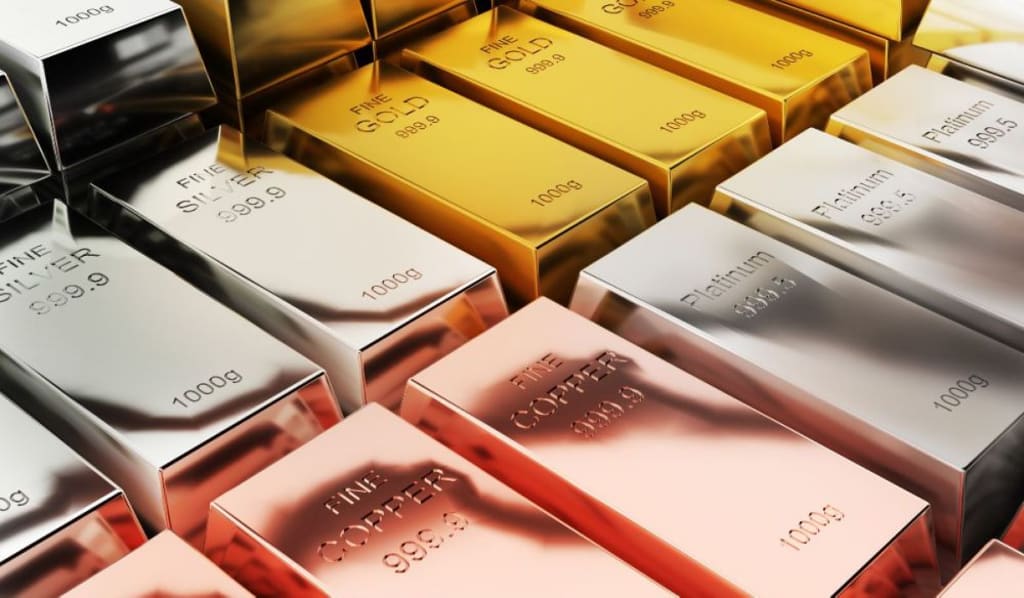
Understanding Precious Metals
Precious metals are rare, naturally occurring elements with high economic value. They're valuable due to their unique properties, industrial uses, and historical role as currency.
What Are Precious Metals?
Precious metals are metallic elements that are scarce, durable, and resistant to corrosion. Their rarity and demand make them a reliable store of value. They have been historically used in coins, jewelry, and technology due to their unique physical and chemical attributes. These metals are traded globally and are an integral part of financial markets.
Common Types of Precious Metals to Invest In
Gold: Known for its stability and long-term store of value, gold remains the most popular choice. It's available as coins, bars, ETFs, and digital gold. Gold's pricing is influenced by global economic trends and investor sentiment.
Silver: Silver is valued both as an industrial metal and an investment asset. It's utilized in electronics, solar panels, and photography, making its price more volatile than gold. Investors can buy silver as bullion, coins, or ETFs.
Platinum: Platinum is rarer than gold and primarily used in the automotive and jewelry industries. Its market is smaller, and prices often fluctuate with industrial demand.
Palladium: Palladium is widely used in catalytic converters for vehicles. Its supply is limited as it's mainly mined in Russia and South Africa, which makes it subject to geopolitical risks.
Each metal provides unique opportunities depending on individual investment goals and market conditions.
Benefits Of Investing In Precious Metals
Investing in precious metals offers financial advantages, making them a valuable addition to any investment strategy. These assets provide resilience during economic fluctuations and serve as a safeguard for wealth preservation.
Portfolio Diversification
Precious metals enhance portfolio diversification by minimizing exposure to market-specific risks. They often move independently of traditional assets like stocks and bonds. For example, during market downturns, gold prices tend to rise, reducing overall volatility. Including metals like silver and platinum can add further balance, as their industrial applications create distinct demand drivers.
Hedge Against Inflation
Precious metals act as a hedge against inflation by retaining value when fiat currencies lose purchasing power. For instance, gold prices typically rise as inflation erodes currency values, preserving wealth. Since these metals aren't directly influenced by central bank policies, they serve as a reliable store of value in times of economic instability.
Long-term Stability
Metals like gold and silver provide long-term stability due to their intrinsic value and scarcity. Unlike stocks, which rely on company profits, or fiat currencies, which governments control, precious metals maintain demand across periods of financial uncertainty. Historical trends show that their value endures, making them a trustworthy asset for preserving wealth over decades.
Ways To Invest In Precious Metals
Investing in precious metals can be done through several methods, each catering to different preferences and risk levels. Options range from tangible physical ownership to more liquid and accessible alternatives.
Physical Metals
Physical metals refer to owning precious metals in tangible forms such as coins, bars, or bullion. These assets provide direct custody and security, offering a hedge against economic downturns. Gold and silver coins, often minted by governments, hold legal tender status, while bullion bars are valued based on weight and purity. Safely storing these metals is crucial and may involve home safes or specialized vault services. You can also add them to your gold IRA. If you are interested in learning now that works, view this past article.
Precious Metal ETFs
Precious metal exchange-traded funds (ETFs) allow investors to gain exposure to metals without physical ownership. These funds track the price of metals like gold, silver, or platinum, offering a cost-effective and scalable option. ETFs are traded on stock exchanges, ensuring liquidity and ease of buying and selling. Management fees are typically lower than other managed funds, making them appealing for beginners.
Mining Stocks
Mining stocks involve investing in companies engaged in exploring, extracting, or processing precious metals. These stocks offer exposure to metal value and company performance, often providing higher returns during market upswings. Investors should assess risks tied to operational efficiency, geopolitical factors, and commodity price fluctuations. Popular options include gold mining firms and diversified mineral companies.
Digital Gold
Digital gold represents fractional ownership of physical gold stored by providers. Investors purchase and trade small portions of gold online, making it accessible without extensive capital. Platforms ensure secure storage and allow liquid transactions. Regulatory factors and platform credibility carry importance for those exploring this modern approach.
Factors To Consider Before Investing
Investing in precious metals requires careful evaluation of several aspects to align with financial objectives and risk tolerance. Understanding these factors helps beginners make informed decisions.
Market Trends
Market trends significantly affect the value of precious metals. Prices fluctuate based on supply-demand dynamics, geopolitical events, and macroeconomic conditions like inflation or currency devaluation. For example, gold often gains value during economic downturns, while palladium prices are influenced by industrial demand in automotive production. Tracking historical performance and current indicators equips investors with insights to anticipate price movements.
Storage And Securit
Proper storage ensures the safety of physical precious metal investments. Options include home safes, bank safety deposit boxes, or professional vault services. Home storage provides immediate access but could increase theft risks without adequate security measures. Professional vaults, often insured, offer enhanced protection but involve storage fees. Digital options like ETFs or digital gold eliminate physical storage concerns, with custody handled by providers.
Budget And Investment Goals
Setting a budget helps manage investment scope and avoids over-commitment. Beginners might allocate a small percentage of their portfolio to precious metals (e.g., 5%-10%) to minimize risk while retaining diversification. Individual goals determine choices — long-term wealth preservation aligns with buying gold, while higher return potential may favor mining stocks or ETFs. Clear objectives guide portfolio structure and prevent impulse decisions.
Tips For Beginner Investors
Investing in precious metals can feel overwhelming for beginners, but understanding key strategies simplifies the process. Focusing on small, informed steps helps build a confident foundation. This website offered up the following tips:
Start Small
Begin with a small investment amount to minimize risk while gaining experience. Physical bullion, such as gold or silver coins, offers an intuitive starting point due to their tangible nature. For lower-cost options, consider silver, which can fit modest budgets and provides exposure to the market. Starting small reduces the pressure of managing large sums and helps monitor how precious metal investments respond to market fluctuations.
Research And Educate Yourself
Conduct thorough research to understand market dynamics and pricing. Learn about factors like supply-demand trends, geopolitical influences, and industrial applications that affect gold, silver, platinum, and palladium prices. Reliable sources like governmental economic reports, financial news platforms, or specialized market analysis websites provide essential insights. Beginners benefit from studying historical price charts to recognize long-term patterns and volatility.
Consult With Experts
Seek advice from financial advisors or precious metal specialists to make informed decisions. Professionals can recommend suitable investment options based on your financial goals, risk tolerance, and market conditions. Reputable dealers or advisors ensure you're purchasing genuine products and can provide advice on secure storage solutions. For advanced insights, consulting experts helps navigate complex methods like ETFs or mining stocks.
Conclusion
Investing in precious metals offers a unique opportunity to protect and grow wealth while diversifying portfolios. For beginners, taking the time to understand the market and starting with manageable investments can make all the difference. By aligning strategies with personal financial goals and staying informed about market trends, investors can confidently navigate this timeless asset class. Precious metals remain a valuable tool for those seeking stability and long-term security in an ever-changing financial landscape.
About the Creator
Waqas ahmad
Waqas Ahmad is a passionate poet who finds beauty in words and emotions. Through his poetry, he explores the depths of life, love, and human experiences. Join him on a journey of expression and creativity.
Keep reading
More stories from Waqas ahmad and writers in Journal and other communities.
List of Best Free Gold IRA Kits
Gold IRA kits are informational resources provided by companies specializing in Individual Retirement Accounts (IRAs) backed by physical gold or other precious metals. These kits often include guides, brochures, and videos that explain the process of opening a Gold IRA account, the benefits of investing in precious metals, and strategies for portfolio diversification.
By Waqas ahmad 8 months ago in Journal
The Couple We All Watched Grow Up
I didn’t know them. But I felt like I did. For over a decade, they were part of my life—not as celebrities, but as characters in a story I watched unfold in real time. I saw them at seventeen, awkward and bright-eyed on red carpets, fumbling through interviews, hiding smiles behind their hands. I saw them navigate fame, heartbreak, and the slow, steady work of becoming adults—all while the world watched, judged, and claimed ownership of their journey.
By KAMRAN AHMAD4 days ago in Journal



Comments
There are no comments for this story
Be the first to respond and start the conversation.