
Investing in Art: Collecting in the Digital Age
Art investment is rapidly growing, with new, typically Asian countries being immensely appealing sale markets


Art investment is rapidly growing, with new, typically Asian countries being immensely appealing sale markets. Aside from an attractive option of diversifying a portfolio, investing in art is among the rare opportunities to contribute to one’s aesthetic benefits. Below, you will find the most common tips for investing in art if you’re just becoming acquainted with this field.
Meet the Art Market: Key Points to Know
Understanding the fundamentals of art investment will drive your value-focused investment decisions. Make sure to consider:
Market trends. Although each collector’s purchases depend on their tastes as well as profitability, every year trends change. Today, ethnic and culturally varied art gains greater recognition, but it’s not the only opportunity that is growing more: mixed artworks are also on the rise.
Provenance and authenticity. It is crucial to be aware of the ownership of the art piece and whether it is real. Many new collectors can become victims of fraud by purchasing a particular landscape painting by Monet that has never been heard of before. Do not fall for it: it is typically a simple lie to lure investors.
Artist’s expertise. It is important to make sure that the artist has a particular track record already: buying art from beginners when you are starting yourself is partially precarious.
First Steps to Investment
When seeking the first artworks to collect, investors should focus on securing consultations from experienced art critics and other collectors. While reading books is an outstanding starting point, you may gain valuable insights from advisors or other collectors.
Setting a budget, especially if you already have other investments, depends on a crucial principle: it cannot be the central part of an investor’s portfolio. In evaluating the budget, insurance, maintenance, and storage should be added to the possible financial evaluation.
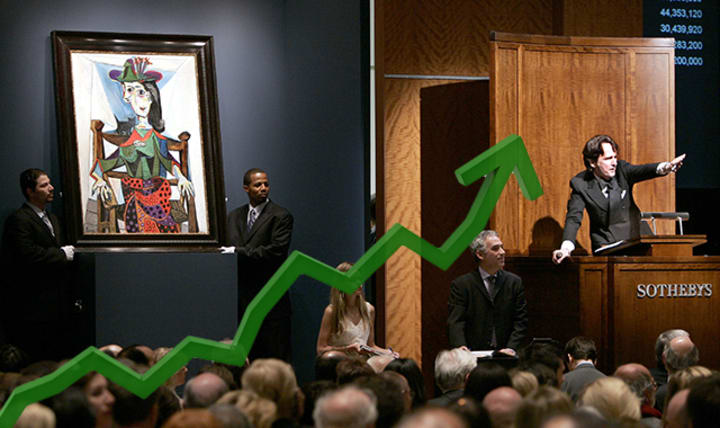
Now, before making a purchase, an investor might want to visit auctions and observe how auction houses in their region set prices and what art is more difficult to acquire. Beginning small and focusing on works that do not require significant expenditures is another smart move because it allows an individual to test the waters before expanding.
Building E-Commerce Presence for Art Investment
The Internet has become the central tool for business and investment, from contributing to e-commerce customer service opportunities to developing abundant platforms with numerous art pieces available for enthusiasts.
Here are the reasons for you to prioritize the Internet as your primary tool for seeking new artwork:
Ease of use. Instead of waiting for an exhibition or an auction, you can discover and purchase art worldwide without the need to spend time on trips or third-party arrangements.
Liquidity. Online platforms boost sales and ensure a faster and more straightforward selling process.
Unique artworks. Art market is known for its gatekeeping, so both beginner collectors and not-so-known artists might find it difficult to get noticed. So, online platforms are an excellent tool for finding new gems.
Platforms and Companies for Consideration
Understanding where to place one’s investments is the most challenging pursuit – and probably one of the central reasons any interested investor might skim this article. Masterworks, Yieldstreet, and MoneyMade are the first go-tos for beginners due to the immense number of opportunities.
When it comes down to companies to invest in, it depends on their profile. The most attractive ones are Artemundi and Anthea Art, but local institutions can be a better choice depending on where you live. Before making a decisive move, analyze how many years in the business your company of choice has been working for.
Be Creative
Investment in art can prove immensely beneficial to those investors who want to add a bit of uniqueness to their portfolio. With rapid changes in the market and as digital and mixed art are growing popular, such investments can be a unique and valuable contribution. By making this decision, an investor steps into the front of a fast artistic transformation worldwide.
About the Creator
Laslo Povanych
Laslo Povanych is a guest post writer specializing in B2B, SaaS, marketing, and customer service. With a passion for creating actionable, insightful content, he helps brands connect with their audience, build authority, and drive growth.
Keep reading
More stories from Laslo Povanych and writers in Journal and other communities.
Microloans for Emerging Markets: Empowering Entrepreneurs and Communities
Microloans serve as a useful tool for economic growth in developing markets where financial stability can be absent. The varying size of microloans depends on the specific objective and for whom it’s intended. They provide financial assistance to those individuals and groups that do not have access to traditional banking and cannot afford to implement certain social or economic initiatives. Recognizing the benefit of microloans can enable vulnerable groups to build more resilient and better systems to acquire financial independence.
By Laslo Povanych5 months ago in Journal
Author’s Advice
If you would’ve asked me 20 years ago did I know I’d become a writer and an author, I would’ve said “nope, ain’t happening”. As fate would have it I did become an author and I can honestly say I’m loving it so far. It really does feel good to be a writer. I’ve learned a lot on this journey and I feel like with even me being as new to this world as I am, there’s some wisdom I need to share with every other aspiring author.
By Joe Patterson5 days ago in Journal




Comments
There are no comments for this story
Be the first to respond and start the conversation.