
Installation Timeframes: What Affects the Duration of Gantry Crane Setup?
Key Factors Influencing Gantry Crane Installation Time

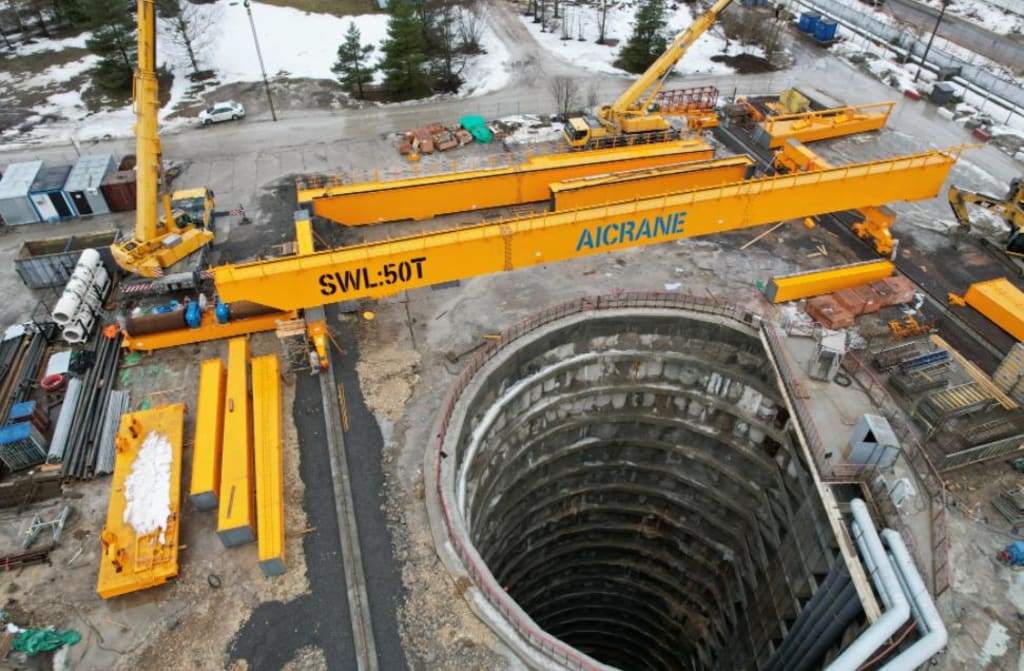
Installing a gantry crane is a major milestone in any industrial project — whether it’s for a manufacturing facility, shipyard, logistics terminal, or construction site. However, one of the most common questions customers ask before installation begins is: “How long will it take?”
The duration of gantry crane setup can vary significantly depending on multiple factors such as crane type, size, site conditions, foundation preparation, installation method, and even the coordination between suppliers and local contractors. Understanding these factors can help project managers plan effectively, avoid costly delays, and ensure safe and efficient commissioning.
This article explores the key elements that affect the installation timeframes of gantry cranes and offers insights into how to optimize the setup process.
1. Type and Design of the Gantry Crane
The first and most critical factor influencing installation duration is the type and complexity of the gantry crane being installed.
Single Girder Gantry Cranes:
These are typically smaller, lighter, and simpler to assemble. Since they consist of one main girder and fewer structural components, their installation process is faster. In many cases, a light-duty single girder gantry crane can be erected within a few days once the foundation is ready.
Double Girder Gantry Cranes:
Heavier and more robust, double girder cranes involve additional assembly work such as aligning two girders, installing trolleys, and connecting complex electrical and mechanical systems. Their setup can take several days to a few weeks depending on size and site logistics.
Rail Mounted Gantry (RMG) Cranes:
RMG cranes, used primarily in container terminals and precast yards, require precise rail alignment and extensive electrical wiring. This type of installation can take 3–6 weeks or longer.
Rubber Tyred Gantry (RTG) Cranes:
These rubber tyre gantry cranes demand more detailed work on steering systems, hydraulic lines, and control modules. However, they are quicker to install compared to RMG cranes because they don’t need rail installation. Typical setup times range from 2–4 weeks.
Each design brings unique installation requirements that directly affect timeframes. Pre-assembly and modularization can reduce installation time, but the complexity of the crane always dictates the overall duration.
2. Site Preparation and Foundation Work
Before the crane components even arrive, the site must be properly prepared. Foundation readiness is one of the most time-consuming pre-installation stages.
Foundation Construction:
Heavy-duty gantry cranes require deep, reinforced concrete foundations to ensure stability. Curing time for concrete alone can add 1–3 weeks to the schedule. Delays at this stage can have a ripple effect, pushing back the entire project timeline.
Rail Track Installation (for RMG or rail-type cranes):
Precision is crucial here. Rails must be leveled, aligned, and anchored correctly to support crane travel. Any misalignment can lead to operational issues later. Rail installation typically takes 5–10 days depending on length and ground conditions.
Environmental or Weather Conditions:
Adverse weather, such as heavy rain, snow, or high humidity, can delay both foundation curing and installation activities. Planning around seasonal conditions can help mitigate these delays.
Proper site preparation ensures smoother crane assembly and reduces rework — a major cause of time overruns in crane projects.
3. Availability of Equipment and Manpower
The logistics of manpower and installation equipment also play a critical role in determining how long installation will take.
Cranes and Lifting Equipment:
Ironically, to install a gantry crane, you often need temporary lifting cranes such as mobile or crawler cranes. If these are not available on time or are undersized for the job, installation will stall.
Skilled Labor Force:
Gantry crane installation requires qualified technicians for steel assembly, electrical wiring, and alignment. Shortage of skilled personnel or poor coordination between teams can prolong the project.
Shift Work and Work Hours:
Working in shifts or extending daily work hours can accelerate progress. However, this must be balanced with safety and labor regulations.
In short, having the right team and tools ready at the right time can make the difference between a one-week installation and a month-long one.
4. Assembly Method and Installation Strategy
Installation methodology significantly impacts the overall timeline.
On-site Assembly:
This traditional approach involves assembling each component on-site. While it offers flexibility, it usually takes longer due to complex alignment, welding, and inspection work performed at height.
Pre-Assembly or Modular Installation:
Modern crane manufacturers like Aicrane often provide pre-assembled modules or conduct partial assembly at the factory before shipment. Once on-site, these modules can be lifted into place and connected, saving significant time. This method can cut installation duration by up to 30–40%.
Use of Advanced Tools and Techniques:
Technologies like laser alignment systems, automated welding, and remote diagnostics can streamline the installation process and improve accuracy.
Selecting the most suitable installation method should be based on project scale, available resources, and the specific crane model.
5. Electrical and Control System Integration
Mechanical assembly is just one part of the process. Electrical installation, commissioning, and testing can sometimes take longer than the physical assembly itself.
Power Supply and Cabling:
Routing and connecting cables, installing power lines, and ensuring grounding safety are time-intensive tasks. For RMG cranes, complex cabling systems can require a week or more to complete.
Control Systems and Safety Devices:
Integrating variable frequency drives (VFDs), anti-sway systems, sensors, and control panels demands precision and expertise. The more advanced the automation, the more time required for integration and calibration.
Testing and Commissioning:
After assembly, comprehensive testing is conducted to ensure mechanical, electrical, and safety systems function correctly. Load testing under different scenarios can take 1–3 days depending on the crane’s capacity and configuration.
6. Logistics and Coordination Between Stakeholders
Project coordination often determines whether installation proceeds smoothly or faces unnecessary delays.
Delivery and Component Readiness:
If crane components arrive late or in incomplete batches, installation can’t start on schedule. Delays in customs clearance or transport logistics are common in international projects.
Communication Between Supplier and Customer:
Clear coordination between the crane manufacturer, installation team, and end-user ensures that everyone understands timelines, responsibilities, and safety procedures.
On-site Supervision and Guidance:
Some suppliers, including Aicrane, offer online installation guidance or send engineers to the site to assist local teams. This support helps prevent errors and speeds up commissioning.
Strong communication and planning reduce idle time and ensure that every stage of the setup process flows seamlessly into the next.
7. Regulatory Approvals and Safety Inspections
Compliance with local safety standards and inspection procedures can also affect installation duration.
Authorities may require site inspections, load tests, and documentation before granting operational approval. Depending on local regulations, this can take anywhere from a few days to several weeks. Preparing documents and testing schedules in advance helps minimize downtime during this stage.
8. Strategies to Minimize Installation Time
To keep installation on track and within planned timeframes, consider the following best practices:
Conduct thorough pre-installation planning, including foundation design, logistics, and manpower scheduling.
Choose factory-preassembled components whenever possible to reduce on-site work.
Ensure timely delivery of materials and equipment.
Engage experienced technicians or leverage supplier guidance during installation.
Plan for contingencies such as weather delays or material shortages.
Schedule progress inspections to catch and resolve issues early.
By taking these proactive measures, companies can significantly reduce installation duration without compromising on quality or safety.
Conclusion
The installation timeframe of a gantry crane depends on a combination of design complexity, site conditions, logistics, and coordination among all stakeholders. While a small single girder crane might be operational within a week, a large rail mounted gantry crane could take several weeks to install and commission.
Understanding what drives these timeframes enables project managers to plan better, allocate resources efficiently, and avoid costly delays. With careful preparation and close cooperation between the supplier and installation team, even large-scale crane projects can be completed smoothly and on schedule — ensuring your operations begin safely and efficiently from day one.
About the Creator
Aicrane01
Welcome to the Aicrane Blog, your practical guide to lifting solutions. Discover articles covering overhead cranes, gantry cranes, winches, steel structures, boat lifts, and more.
Website: https://steelmillcranes.com/
How to Plan a Perfect Maldives Holiday on a Private Island
The Maldives is a fantastic place to visit on your next vacation. Planning your next holiday to a private island in the Maldives lets you enjoy the gorgeous blue water, open skies, as well as the gorgeous sandy beach. This guide walks through the crucial aspects of preparing for your stay, helping you plan thoughtfully while keeping room for relaxation, ease, comfort and fun experiences from the moment you begin your journey.
By Jeewanthi Armstrong5 days ago in Journal


Comments
There are no comments for this story
Be the first to respond and start the conversation.