
Insomnia Uncovered: Understanding Its Causes, Types, Symptoms, and Impact on Health
Manvir Bhatia
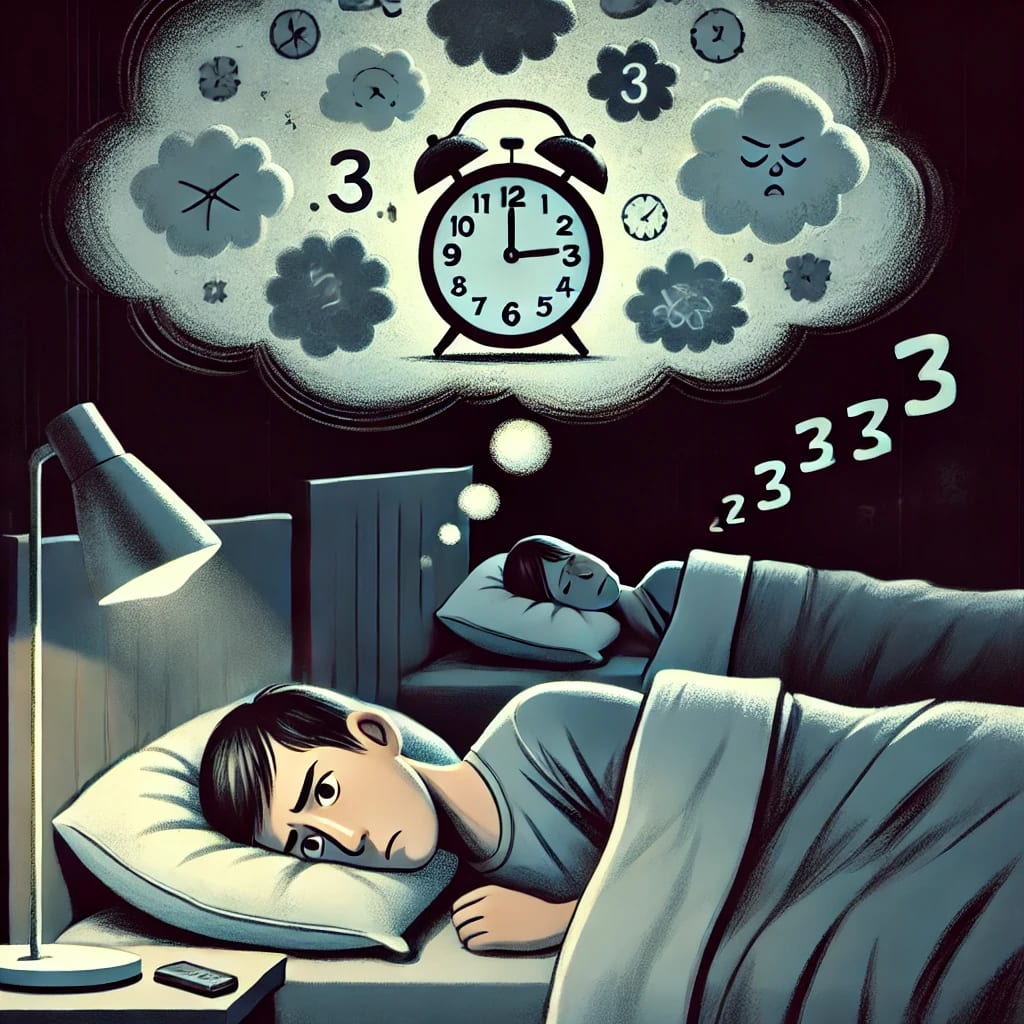
Insomnia Uncovered: Understanding Its Causes, Types, Symptoms, and Impact on Health
Introduction
Have you ever found yourself staring at the ceiling in the middle of the night, wondering why sleep just won’t come? Insomnia is not just about having trouble sleeping—it’s about the frustration, the exhaustion, and the impact it has on every part of life. It affects the way we think, feel, and function, making even the simplest tasks feel overwhelming. Whether it’s a passing phase or a long-term struggle, understanding insomnia is the first step toward regaining control over your sleep and well-being.
What is Insomnia?
Insomnia is a condition where a person has difficulty falling asleep, staying asleep, or waking up too early and not being able to return to sleep. While everyone experiences sleepless nights occasionally, insomnia becomes a real problem when it happens frequently and starts affecting daily life. Some people lie awake at night, their minds racing with thoughts they can't shut off. Others may fall asleep easily but wake up repeatedly, feeling exhausted no matter how many hours they spent in bed.
Sleep is not just about resting—it's about repairing, restoring, and recharging. When insomnia disrupts this process, it can leave you feeling physically drained, mentally foggy, and emotionally vulnerable.
Meaning of Inosamania
Insomnia is a sleep disorder characterized by persistent difficulty in falling asleep, staying asleep, or achieving restorative sleep, leading to daytime impairment and distress.
Sleep is not just about resting—it's about repairing, restoring, and recharging. When insomnia make difficulty on this process, it can leave you feeling physically drained, mentally foggy, and emotionally vulnerable.
Types of Insomnia
Not all insomnia is the same. Understanding the different types can help in identifying what’s causing sleep disturbances and how to address them.
Acute Insomnia – A short-term inability to sleep, often triggered by stress, a major life change, or emotional distress. It typically lasts for a few nights to a few weeks.
Chronic Insomnia – When sleep difficulties happening for at least three nights a week for three months or more, it is classified as chronic. This often signals deeper issues such as anxiety, depression, or an underlying medical condition.
Onset Insomnia – Trouble falling asleep at the beginning of the night. This is common in people with overactive minds, stress, or excessive screen time before bed.
Maintenance Insomnia – Waking up frequently during the night or too early in the morning and struggling to go back to sleep.
Comorbid Insomnia – Insomnia that occurs alongside another medical or psychological condition, such as chronic pain, PTSD, or neurological disorders.
Why Does Insomnia Happen? Couses of insomnia
Insomnia doesn’t just appear out of nowhere. It usually has a root cause—or sometimes, multiple causes. The key to better sleep is identifying what’s preventing it in the first place.
1. The Mind’s Influence: Psychological and Emotional Factors
Ever gone to bed tired but unable to turn off your thoughts? Stress and anxiety are major contributors to insomnia.
Depression can disrupt sleep patterns, either making it difficult to sleep or causing excessive sleepiness during the day.
PTSD or past traumas can cause nightmares and frequent awakenings, preventing restful sleep.
2. The Body’s Role: Medical and Neurological Causes
Chronic pain conditions like arthritis or migraines can make it impossible to find a comfortable sleeping position.
Sleep apnea, which causes interruptions in breathing during sleep, often leads to waking up gasping for air.
Neurological conditions such as Parkinson’s disease or craniocervical instability can interfere with the brain’s ability to regulate sleep.
Hormonal imbalances, especially in women going through perimenopause or menopause, can lead to night sweats and sleep disturbances.
3. Daily Habits and Environment: Lifestyle Triggers
Poor sleep hygiene, such as inconsistent bedtimes or excessive screen use before bed, confuses the body's natural sleep-wake cycle.
Caffeine, alcohol, and nicotine can all interfere with deep sleep stages.
Shift work or frequent travel can disrupt the circadian rhythm, making it harder for the body to know when it’s time to rest.
4. Medications and Substances
Certain medications, including antidepressants, steroids, and stimulants, may contribute to insomnia.
Dependency on sleep aids can actually worsen sleep quality over time, making natural sleep even harder to achieve.
Symptoms: More Than Just Sleepless Nights
Insomnia isn’t just about difficulty sleeping—it affects every part of life. Some people describe feeling like they are in a constant state of exhaustion, while others struggle with brain fog, mood swings, or even physical discomfort. Here are the most common symptoms:
Lying awake for hours, unable to fall asleep
Waking up multiple times throughout the night
Feeling unrefreshed even after what should have been a full night’s sleep
Struggling with concentration, memory, and decision-making during the day
Increased irritability, anxiety, or emotional instability
Greater sensitivity to pain or discomfort
Feeling like the body never fully recovers from exhaustion
How Insomnia Impacts Your Health
The effects of insomnia go far beyond grogginess. Sleep is essential for healing and regulating nearly every system in the body. Without enough quality rest, the body starts breaking down in subtle but serious ways.
1. Physical Health Risks
Heart Health – Chronic sleep deprivation increases the risk of high blood pressure and heart disease.
Weight Gain & Diabetes – Poor sleep affects metabolism and increases cravings for unhealthy foods.
Weakened Immunity – Lack of sleep makes you more susceptible to colds, infections, and chronic illnesses.
Worsening of Chronic Pain – Insufficient sleep heightens pain perception and lowers the body’s ability to heal.
2. Mental and Cognitive Effects
Anxiety and Depression – Sleep and mood are deeply connected; insomnia can worsen mental health conditions.
Memory and Focus Issues – The brain processes and stores information during sleep—without it, cognitive function declines.
Increased Risk of Dementia – Studies show a strong link between chronic sleep deprivation and neurodegenerative diseases like Alzheimer’s.
3. Social and Emotional Impact
Difficulty Maintaining Relationships – Fatigue can lead to irritability, impatience, and social withdrawal.
Reduced Work Performance – Insomnia affects concentration, leading to mistakes and decreased productivity.
Higher Risk of Accidents – Sleep deprivation slows reaction time, increasing the likelihood of accidents on the road and at work.
Finding Your Path to Better Sleep ( Cure of Insomnia)
If insomnia is interfering with your life, know that you’re not alone—and you don’t have to accept it as your new normal. Identifying what’s causing your sleep troubles is the first step toward finding real solutions.
Practice good sleep hygiene: Keep a consistent sleep schedule and create a bedtime routine that signals relaxation.
Manage stress and anxiety through mindfulness, meditation, or therapy.
Address any underlying medical conditions that may be affecting sleep.
Be mindful of diet, caffeine intake, and screen exposure before bed.
Try natural relaxation techniques such as progressive muscle relaxation and blue-light blocking before sleep.
Above all, don’t ignore persistent insomnia. If sleep struggles continue despite lifestyle changes, seeking help from a sleep specialist or neurologist can provide better treatment related to your specific condition regain restful nights.
Because when sleep improves, life improves.
About the Creator
Keep reading
More stories from Dr manvir bhatia and writers in Journal and other communities.
Lifestyle Changes to Reduce Cluster Headache Frequency
Lifestyle Changes to Reduce Cluster Headache Frequency Cluster headaches are among the most painful headaches a person can experience. The sharp, piercing pain, often centered around one eye, can disrupt life and leave sufferers feeling helpless. While medical treatments like oxygen therapy and medications help manage attacks, lifestyle changes play a crucial role in reducing their frequency. Dr. Manvir Bhatia, a renowned neurologist and sleep specialist, shares valuable insights on how to modify daily habits to minimize these debilitating headaches.
By Dr manvir bhatia10 months ago in Journal
Business Valuation Services in Los Angeles: A Guide to Accurate Appraisals in Southern California
In the competitive landscape of Southern California, a generic appraisal simply isn’t enough to secure a deal or satisfy a regulator. Whether you are navigating a high-stakes merger in Hollywood or a tech exit in Silicon Beach, understanding the true worth of your enterprise requires a localized, sector-specific lens.
By CEO A&S Developers6 days ago in Journal



Comments (1)
I have insomnia sometimes! It’s the worst! Now I understand! Gazoogabloga! Thank you!