
Inside a Fire Extinguisher: Main Parts and How They Work
A Complete Guide to Understanding Fire Safety Equipment

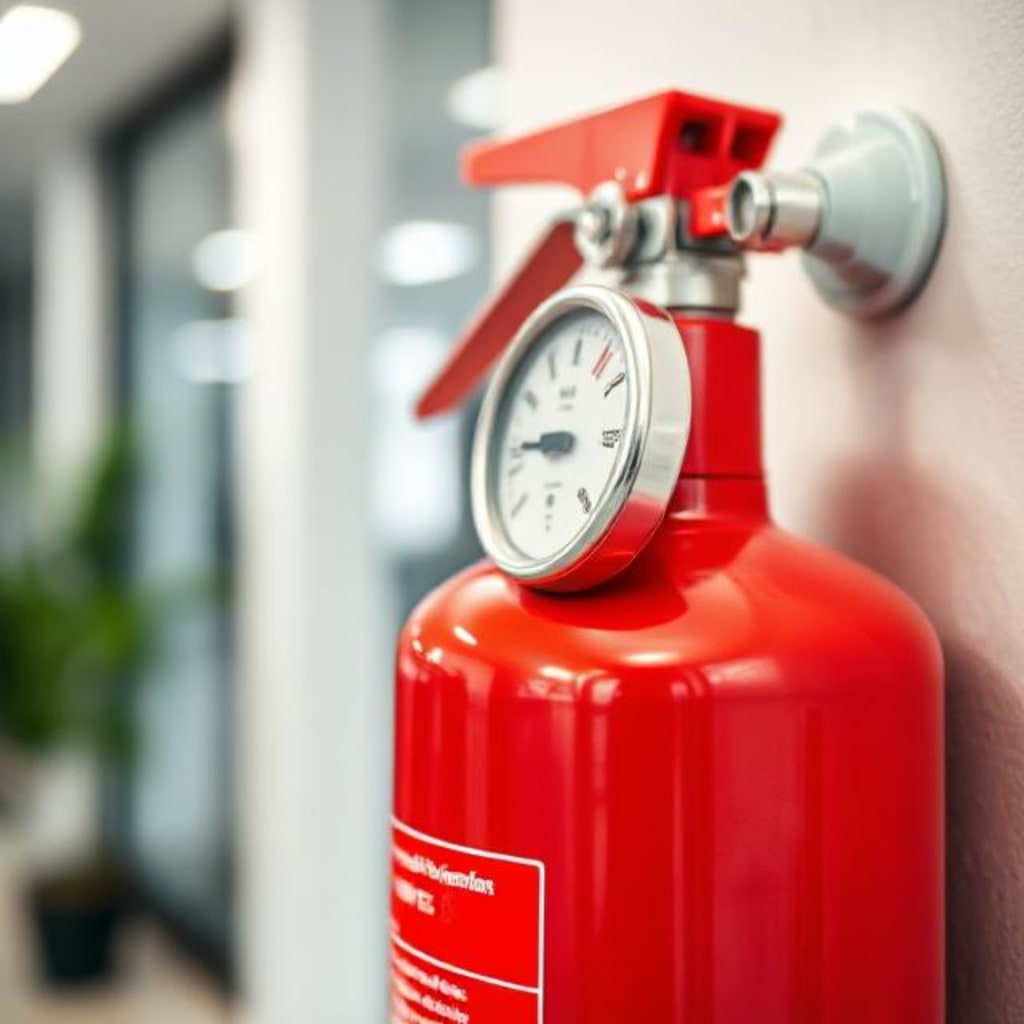
Fire safety is something we often take for granted—until an emergency happens. One of the most effective tools for stopping a fire before it spreads is the fire extinguisher. Whether it’s at home, in your workplace, or in a public building, this simple-looking device can be the difference between a small incident and a life-threatening disaster.
But what’s actually inside a fire extinguisher? How does it work? And why is regular maintenance so important? Let’s explore the key parts of a fire extinguisher and break down how they function together to put out fires.
---
The Cylinder – The Core of the Extinguisher
The cylinder is the main body of the fire extinguisher and holds the extinguishing agent. This part is usually made from durable steel or aluminum to withstand high pressure.
Different extinguishers contain different agents, each designed for specific types of fire:
Water extinguishers: Best for paper, wood, and cloth fires.
Foam extinguishers: Useful for liquid fires, like oil or fuel.
Dry chemical powder extinguishers: Effective for general fires, including flammable gases and electrical fires.
Carbon dioxide (CO₂) extinguishers: Ideal for electrical fires, as CO₂ does not damage equipment.
The choice of extinguisher depends on the environment. For example, offices often use CO₂ extinguishers, while kitchens may have foam or powder units.
---
The Nozzle – Targeting the Flames
The nozzle is where the extinguishing material comes out. Its design allows the user to direct the flow of the agent straight to the base of the fire, which is the most effective way to fight flames.
Some extinguishers come with adjustable nozzles that control both spray direction and volume. This makes them easier to use in different situations, whether you need a wide spray for larger flames or a focused stream for a small spot fire.
---
The Pressure Gauge – Is It Ready to Use?
Not every extinguisher has a gauge, but most modern ones do. The pressure gauge is a small but crucial feature that shows if the extinguisher is ready for action.
If the needle points to the green zone, the extinguisher is fully charged.
If it points to the red zone, it either needs to be recharged or replaced.
This quick check can save lives. A non-functional extinguisher in an emergency is as good as no extinguisher at all.
---
The Pin and Seal – Safety First
A pin and seal system prevents the extinguisher from being discharged accidentally.
The pin locks the handle, so it can’t be pressed by mistake.
The seal ensures that the extinguisher hasn’t been tampered with.
When you’re ready to use the extinguisher, you simply pull the pin out before squeezing the handle. This design is simple but highly effective in maintaining safety.
---
The Lever – How You Activate It
The lever is the part you squeeze to release the extinguishing agent. When pressed, it opens a valve inside the extinguisher, allowing the pressurized material to shoot out through the nozzle.
The force of your grip determines the spray pressure. A firm squeeze delivers a strong, steady flow, while a lighter press releases a smaller amount. This gives the user some control depending on the fire’s size.
---
Fire Extinguisher Ratings – Decoding the Numbers
Every extinguisher has a rating label like 2A:10B:C, but many people don’t understand what it means. Here’s a quick breakdown:
A – Ordinary combustibles (wood, cloth, paper).
B – Flammable liquids (oil, gasoline, paint).
C – Electrical equipment (wiring, appliances, computers).
The numbers show how effective the extinguisher is. For example, “2A” means it can put out a fire twice the size of what a “1A” extinguisher can handle. “10B” means it can handle 10 square feet of a flammable liquid fire.
This rating system helps buyers choose the right extinguisher for their home, office, or workplace.
---
Maintenance and Servicing – Keeping It Reliable
Buying a fire extinguisher isn’t enough—you need to maintain it. Without care, it might fail when you need it most. Here are key steps:
Monthly checks: Make sure the gauge is in the green zone and the pin/seal are intact.
Annual servicing: A professional inspection ensures everything works properly.
Recharging: If an extinguisher is used, even for just a second, it must be recharged immediately.
Hydrostatic testing: This process checks whether the cylinder is still strong enough to handle pressure. It prevents accidents like cylinder rupture.
Ignoring maintenance can make your extinguisher useless in an emergency.
---
Frequently Asked Questions (FAQ)
Q1: How often should I service my fire extinguisher?
You should do quick monthly checks yourself and schedule a professional inspection once a year.
Q2: What is hydrostatic testing?
It’s a test that checks the strength and safety of the extinguisher cylinder by applying pressure. This ensures it won’t burst during use.
Q3: How do I know if my extinguisher needs recharging?
Check the gauge—if it’s in the red, recharge it. Also, if the extinguisher has been used even once, it needs recharging.
Q4: Can I recharge my extinguisher at home?
No. Always go to a licensed fire safety company for recharging and inspections.
---
Final Thoughts
A fire extinguisher might seem like a simple piece of equipment, but inside it’s a carefully designed system built for safety and efficiency. The cylinder, nozzle, gauge, pin, seal, and lever all play a role in making sure it works instantly when needed.
Understanding these parts not only makes you more confident in using an extinguisher but also reminds you why regular maintenance is so important. After all, an extinguisher is not just a tool—it’s a lifesaving device.
By keeping it ready and knowing how it works, you’re taking one of the smartest steps toward fire safety in your home, workplace, or anywhere you spend time.
---
About the Creator
Muhammad Riaz
- Writer. Thinker. Storyteller. I’m Muhammad Riaz, sharing honest stories that inspire, reflect, and connect. Writing about life, society, and ideas that matter. Let’s grow through words.
Keep reading
More stories from Muhammad Riaz and writers in Journal and other communities.
How I Made $1,000 from a Single Story on Vocal—And Why I Almost Deleted It
I almost deleted the story five minutes after I published it. It wasn’t perfect. It wasn’t polished. It felt too raw, too messy—like I had just ripped a page out of my personal diary and accidentally posted it online.
By Muhammad Riaz7 months ago in Journal
Author’s Advice
If you would’ve asked me 20 years ago did I know I’d become a writer and an author, I would’ve said “nope, ain’t happening”. As fate would have it I did become an author and I can honestly say I’m loving it so far. It really does feel good to be a writer. I’ve learned a lot on this journey and I feel like with even me being as new to this world as I am, there’s some wisdom I need to share with every other aspiring author.
By Joe Patterson2 days ago in Journal




Comments
There are no comments for this story
Be the first to respond and start the conversation.