
Innovations in Rubber Conveyor Roller Design: Enhancing Durability and Performance
The industrial landscape is continuously evolving, and with it comes the need for more durable and efficient material handling solutions.
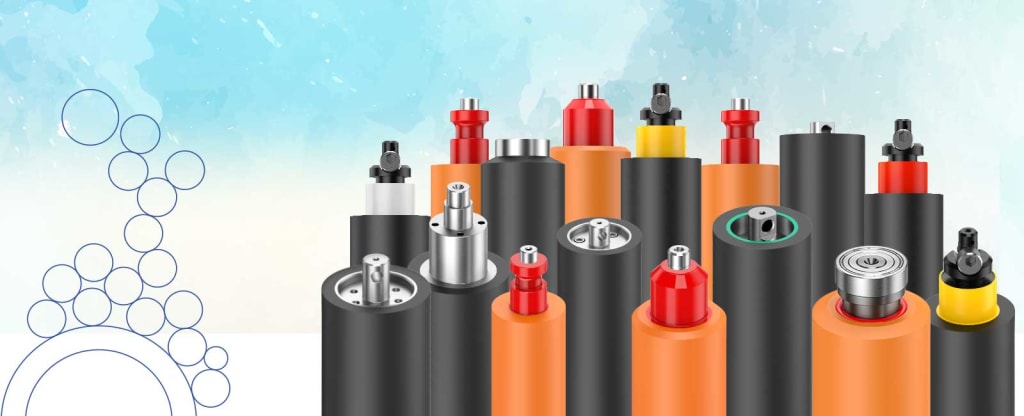
In the industrial world, the reliability of conveyor systems is paramount to maintaining efficient operations. Among the most crucial components of these systems are the conveyor rollers, which serve as the backbone of material handling processes. Recent innovations in rubber conveyor roller design have significantly enhanced their durability and performance, ensuring they meet the increasing demands of modern industry. This article explores these advancements and highlights their impact on the industry.
The Role of Rubber Conveyor Rollers
Rubber conveyor rollers are essential in various industries, including manufacturing, mining, and logistics. They facilitate the smooth movement of materials along the conveyor belt, reducing friction and wear on both the belt and the products being transported. Given their critical role, it is imperative that these rollers are designed to withstand heavy loads, abrasive materials, and harsh operating environments.
Innovations in Material Composition
One of the most significant innovations in rubber conveyor roller design lies in the development of advanced material compositions. Traditional rollers were often made from natural rubber or basic synthetic compounds, which, while effective, had limitations in terms of wear resistance and longevity. Today, manufacturers are utilizing high-performance synthetic rubbers and composite materials that offer superior resistance to abrasion, chemicals, and extreme temperatures.
For instance, the integration of polyurethane and other specialized elastomers into rubber conveyor rollers has dramatically improved their lifespan. These materials provide excellent resistance to cuts, tears, and abrasions, which are common issues in heavy-duty applications. Additionally, they offer better load-bearing capacity, ensuring that the rollers can handle the increased weight of materials without deforming or deteriorating over time.
Enhanced Design for Improved Performance
Beyond material innovations, the design of rubber conveyor rollers has also seen significant advancements. Modern rollers are now engineered with precision to reduce friction and minimize energy consumption. This not only extends the life of the rollers but also contributes to overall energy efficiency in conveyor systems.
One notable design improvement is the development of rubber covered conveyor rollers with specialized surface patterns. These patterns are designed to enhance grip and reduce slippage, particularly in wet or oily conditions. By improving the traction between the roller and the conveyor belt, these designs help prevent misalignment and material spillage, thereby improving the overall efficiency of the conveyor system.
Another critical design innovation is the incorporation of sealed bearings within the rollers. Sealed bearings protect the internal components from dust, moisture, and other contaminants, reducing the risk of failure and the need for frequent maintenance. This is especially important in industries such as mining and construction, where equipment is often exposed to harsh environmental conditions.
Customization for Specific Applications
The ability to customize rubber conveyor rollers to meet specific industry requirements is another area where innovation has played a crucial role. Today, manufacturers can produce rollers in a variety of sizes, shapes, and hardness levels to suit different applications. Whether it’s designing rollers with a softer rubber cover for handling delicate materials or creating ultra-durable rollers for heavy-duty mining operations, the level of customization available ensures that businesses can optimize their conveyor systems for maximum efficiency and reliability.
The Impact on Industry
The advancements in rubber conveyor roller design have had a profound impact on various industries. By enhancing durability and performance, these innovations have helped businesses reduce downtime, lower maintenance costs, and improve overall operational efficiency. In industries where material handling is a critical component of daily operations, the benefits of these innovations are particularly significant.
For example, in the logistics industry, where conveyor systems are in constant use, the use of advanced rubber covered conveyor rollers has led to fewer instances of belt wear and tear, reducing the need for costly replacements and repairs. Similarly, in the mining sector, where equipment is subjected to extreme conditions, the durability of modern rubber rollers ensures that operations can continue uninterrupted, even in the harshest environments.
Conclusion
Innovations in rubber conveyor roller design have revolutionized the way industries approach material handling. Through the use of advanced materials, precision engineering, and the ability to customize designs, modern rubber conveyor rollers offer unparalleled durability and performance. As industries continue to demand more from their conveyor systems, these innovations will play a crucial role in meeting those challenges, ensuring that businesses can operate efficiently and effectively.
About the Creator
Shane Mathew
Shane Mathew is a blogging enthusiast. He loves sharing information and idea through the power of word across the whole world.
Keep reading
More stories from Shane Mathew and writers in Journal and other communities.
Top 5 Day Trips from Auckland: How a Travel Agency Can Enhance Your Experience
Auckland, New Zealand's largest city, offers a vibrant mix of urban sophistication and natural beauty. But beyond its bustling streets lies a treasure trove of day trip opportunities, each promising a unique experience.
By Shane Mathew2 years ago in Journal
Strategic Buyers In Behavioral Healthcare
Introduction The behavioral healthcare sector has experienced significant growth over the past decade, attracting strong interest from strategic buyers. Strategic buyers are organizations already operating within healthcare or related industries that acquire behavioral health companies to expand services, strengthen market presence, or improve care integration. These buyers usually focus on long-term operational benefits rather than short-term financial gains. As demand for mental health and addiction treatment services continues to rise, strategic buyers are increasingly involved in acquisitions and partnerships across the behavioral healthcare market.
By Abdul Mueeda day ago in Journal
June Lockhart
Some actors become famous for a moment. Others become part of television history. June Lockhart belongs firmly in the second group. For decades, audiences around the world watched her portray thoughtful, compassionate, and intelligent women. Whether she was guiding a young boy and his loyal dog in Lassie or navigating the challenges of space travel in Lost in Space, Lockhart brought warmth and authenticity to every role.
By Ilsa Sophia4 days ago in Journal
Silken Chains
Silhouettes of the female form were given flesh and bone. Silken skin glistened under the spotlight. Dry ice rose around our Icons as they danced atop their podiums in the Square. Heralded for their beauty, their movements were slight, powerful, and sensual.
By Paul Stewart4 days ago in Fiction




Comments
There are no comments for this story
Be the first to respond and start the conversation.