
India Cyber Police Crackdown Illegal Stream Sites
Webservers Found in Canada, Russia and Germany

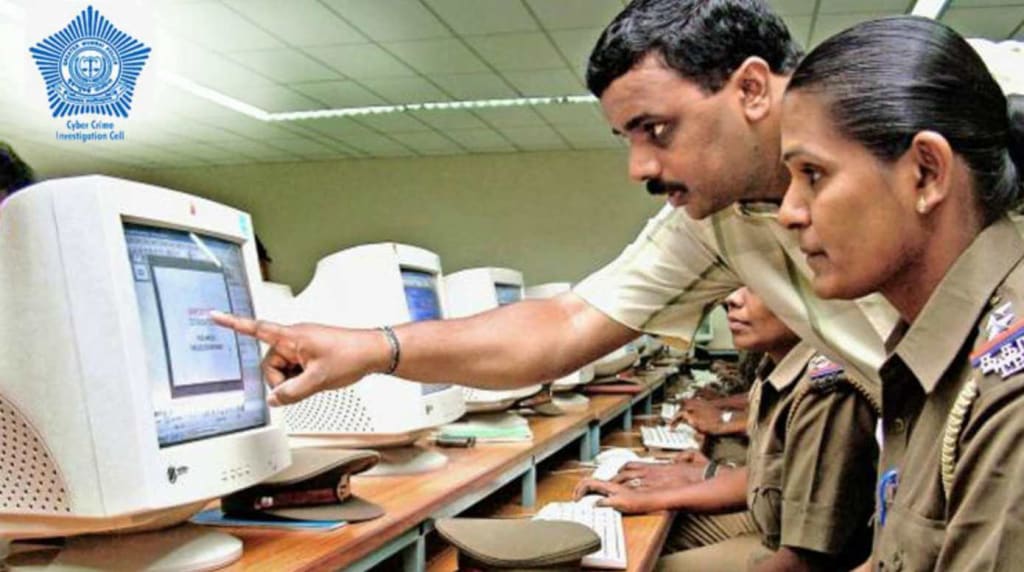
The Indian government has ramped up its efforts to combat illegal streaming, targeting websites that distribute pirated content.
This crackdown stems from the growing concerns around copyright infringement, revenue loss in the entertainment industry, and the need to enforce intellectual property rights.
Courts, regulatory authorities, and law enforcement agencies are working hand in hand to address this issue.
Piracy has plagued the entertainment sector for years, with illegal streaming sites offering movies, shows, and live sports without proper licensing.
These platforms like iBomma, Streameast and Crackstream not only harm legitimate content creators and distributors but also pose cybersecurity risks to users. Malware, phishing attacks, and data theft are often linked to these websites.
India is one of the largest consumers of digital media, making it a prime target for stream-ripping and unauthorized content distribution. The losses to production houses, broadcasters, and OTT platforms run into billions annually. As digital consumption grows, the urgency to tackle piracy intensifies.
Dynamic Injunctions on Rogue Websites
The Delhi High Court has been instrumental in shutting down illegal streaming platforms. It recently issued a dynamic injunction against 45 rogue websites. Unlike a standard order, this injunction allows authorities to act against similar websites as they appear, preventing them from resurfacing under new domain names.
This decision specifically protected companies like Warner Bros. and Netflix, ensuring that their intellectual property remains safeguarded. The court acknowledged the evolving nature of piracy and emphasized the need to stay ahead of technological loopholes.
Blocking Orders for Sports Streaming
Unauthorized broadcasts of live sports events have also been a major focus. For instance, illegal streaming of the ICC Men's T20 World Cup prompted the Delhi High Court to issue explicit orders blocking websites involved in such activities. Star India's streaming and broadcasting rights were particularly impacted, spurring legal action to prevent further infringement.
In addition to piracy, the government took action against OTT platforms disseminating obscene or vulgar content. In 2024, 18 platforms were banned for violating content guidelines under the Information Technology (Intermediary Guidelines and Digital Media Ethics Code) Rules, 2021. These rules mandate self-regulation and compliance with age-appropriate content classification.
The Role of Technology and Regulation
IT Rules of 2021: A Game-Changer
The IT Rules of 2021 introduced a robust framework for content regulation. They require intermediaries and publishers to perform due diligence while hosting or streaming content. Under these rules:
* Content must be classified based on age suitability.
* Users can report complaints through a three-tier grievance redressal system.
* Publishers must adhere to ethical guidelines while curating their libraries.
These measures aim to balance creative freedom with accountability, ensuring a safe digital environment for consumers.
Sanchar Saathi App for Fraud Reporting
To enhance cybersecurity, the Department of Telecommunications (DoT) launched the Sanchar Saathi mobile application. This app provides users with a platform to report suspicious activities, fraudulent calls, or dubious online services. Although initially aimed at curbing telecom fraud, it also supports efforts against illegal streaming, adding another layer of protection.
The Impact on Piracy in India
India's piracy rate remains higher than most global markets, which significantly impacts the growth of its entertainment industry. Statistics from the International Federation of the Phonographic Industry (IFPI) highlight the scale of the problem, with stream-ripping among the most common forms of piracy.
These illegal practices undermine subscription-based models of OTT platforms, often disincentivizing creators and producers from investing in high-quality content. The government's recent interventions, however, signal a departure from a reactive approach to a proactive one.
International Perspectives on Digital Piracy
India's fight against piracy mirrors global trends. In the US, legal actions have been taken against high-profile cases like Tofig Kurbanov, the operator of a stream-ripping service. Countries worldwide are recognizing the need for stricter regulations and enforcement mechanisms to protect creative industries.
Collaborations across borders, along with advancements in digital policymaking, can potentially curb piracy on a global scale.
India's decisive actions against illegal streaming websites reflect its commitment to protecting intellectual property rights and supporting its entertainment industry.
By combining legal, regulatory, and technological measures, the country is setting a precedent for tackling piracy in the digital age. While challenges remain, the government's proactive approach and the courts' dynamic rulings are significant steps forward. For content creators and consumers alike, these efforts promise a safer, fairer digital ecosystem.
About the Creator
Anna Wong
Anna studied at Chiang Rai Rajabhat University where she earned a degree in Journalism and Mass Communication in 2004. After graduating Anna worked as a journalist for MCOT Radio broadcasting stations company
Author’s Advice
If you would’ve asked me 20 years ago did I know I’d become a writer and an author, I would’ve said “nope, ain’t happening”. As fate would have it I did become an author and I can honestly say I’m loving it so far. It really does feel good to be a writer. I’ve learned a lot on this journey and I feel like with even me being as new to this world as I am, there’s some wisdom I need to share with every other aspiring author.
By Joe Patterson3 days ago in Journal




Comments
There are no comments for this story
Be the first to respond and start the conversation.