
Independent Venues Are the Heart of the Community
“Why Independent Venues Are Vital Spaces That Bring Communities Together and Keep Local Culture Alive”
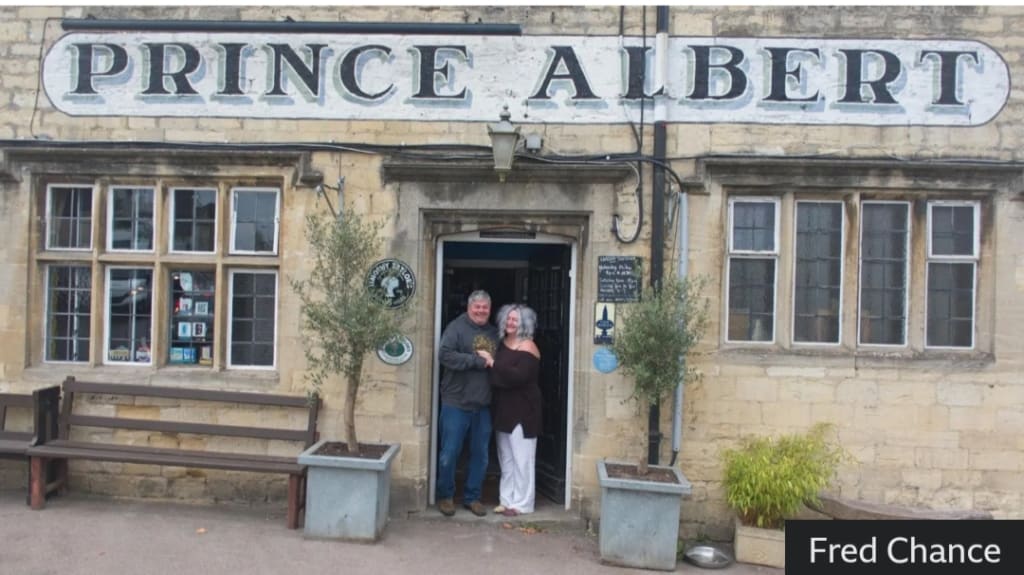
In towns and cities around the world, independent venues—be they music clubs, theaters, bookstores, or coffee shops—serve as more than just places to eat, drink, or enjoy entertainment. They are vital hubs where communities gather, creativity thrives, and cultural identity is nurtured. Unlike corporate chains, independent venues carry a unique personality and a commitment to their local area, making them the beating heart of the communities they serve.
A Space for Connection
Independent venues are where people meet, bond, and build relationships. Whether it’s a local jazz club hosting weekly live performances, a small theater putting on amateur productions, or a cozy coffee shop organizing poetry readings, these venues foster social connections that go beyond casual interactions.
For many, visiting an independent venue is not just about consuming a product or attending an event—it’s about being part of a community. Here, friendships are formed, ideas are exchanged, and a sense of belonging is cultivated. In an era where digital interaction often overshadows in-person connections, these venues remain critical spaces for authentic human engagement.
Supporting Local Talent and Creativity
One of the most significant ways independent venues serve the community is by nurturing local talent. Musicians, playwrights, artists, and authors often find their first audience in these intimate settings. Unlike large corporate chains or mainstream institutions, independent venues are willing to take risks on emerging talent, providing a platform for experimentation and creativity.
A local music club might host a debut performance that launches a musician’s career. A small theater could premiere a play that later gains national recognition. Bookstores often feature local authors, fostering a love for reading while giving new writers a chance to shine. These venues don’t just entertain—they cultivate the cultural fabric of a community.
Economic Impact and Sustainability
Independent venues also have a tangible economic impact. They create jobs, support local suppliers, and attract visitors who spend money in nearby shops, restaurants, and services. Unlike large chains that funnel profits to corporate headquarters, independent venues reinvest in their local economy, making every ticket, cup of coffee, or book sold a contribution to the community’s wellbeing.
Furthermore, these spaces often champion sustainable practices, sourcing locally, minimizing waste, and reducing environmental footprints. Supporting independent venues is therefore not just a cultural decision—it’s an investment in economic and environmental sustainability.
Preserving Cultural Identity
Every community has its own story, history, and identity. Independent venues help preserve and celebrate this uniqueness. From family-run diners with decades of history to indie theaters hosting culturally specific performances, these venues serve as living archives of local life.
They offer experiences that cannot be replicated in sterile, corporate settings. The quirky décor, the hand-painted signage, and the personal touch of owners and staff all contribute to a sense of place and continuity. When communities support independent venues, they are actively preserving their heritage and cultural distinctiveness.
Challenges Facing Independent Venues
Despite their importance, independent venues face numerous challenges. Rising rents, regulatory hurdles, and competition from large chains can make survival difficult. The COVID-19 pandemic, for example, highlighted how vulnerable these spaces are, with many shutting their doors permanently due to lost revenue.
Yet, these challenges have also revealed the resilience of both venue owners and their communities. Crowdfunding campaigns, community-led initiatives, and loyal patronage have helped many venues survive and even thrive in difficult times. This relationship—between independent venues and the communities that support them—is mutually reinforcing: one cannot exist without the other.
How Communities Can Support Independent Venues
Supporting independent venues goes beyond occasional visits. Here are ways communities can help ensure these spaces continue to thrive:
Attend events regularly: Consistent patronage provides reliable income.
Promote locally: Sharing events on social media or inviting friends spreads awareness.
Volunteer: Many independent venues rely on volunteers to help run events.
Buy local products: Merchandise, books, tickets, or food all contribute to the venue’s survival.
Advocate for policy support: Local governments can offer grants, tax relief, or protective measures to help these spaces flourish.
By taking these steps, communities invest in more than entertainment—they invest in social cohesion, creativity, and identity.
Stories of Community Impact
Consider the story of a small independent music venue in Manchester. After years of struggling with rent increases, the local community organized fundraising events and a social media campaign to keep the venue open. Today, it hosts weekly performances by emerging artists and has become a gathering place for fans, students, and locals alike.
Similarly, independent bookstores often become cultural hubs, hosting book clubs, author readings, and children’s story hours. In each case, these venues create spaces where people feel connected and valued, reinforcing the idea that they are more than just commercial enterprises—they are integral to the life of the community.
The Future of Independent Venues
Looking ahead, independent venues will continue to play a critical role in shaping vibrant, resilient communities. As digital entertainment grows, these physical spaces offer experiences that cannot be replaced online: the thrill of live performance, the smell of fresh coffee, the tactile pleasure of turning pages in a book, and the warmth of personal interaction.
Communities that recognize this value—and actively support independent venues—will foster environments where culture, creativity, and connection can flourish. In short, these venues are not just businesses—they are the living, beating heart of the communities they serve.
Conclusion
Independent venues are essential for thriving communities. They connect people, support creativity, sustain local economies, preserve culture, and foster a sense of belonging. While they face challenges from economic pressures and competition, the mutual support between these venues and the communities around them ensures their survival and growth.
By visiting, promoting, and advocating for independent venues, communities help maintain the spaces where culture, creativity, and connection converge. These are the places where memories are made, friendships are formed, and communities truly come alive. Supporting independent venues is not just about entertainment—it’s about keeping the heart of the community beating.
About the Creator
Keep reading
More stories from Aarif Lashari and writers in Journal and other communities.
Nigella Lawson to Replace Prue Leith on The Great British Bake Off
The beloved British baking show, The Great British Bake Off (GBBO), has announced a significant shake-up that has fans buzzing: the celebrated food writer and television personality Nigella Lawson is set to replace Prue Leith as a judge. This move marks a dramatic shift in the dynamics of the show, promising fresh perspectives and renewed excitement for its millions of viewers worldwide.
By Aarif Lashariabout 2 hours ago in Earth
Artificial Intelligence in Mission Planning and Air Operations
Artificial intelligence (AI) is reshaping how modern air missions are planned and conducted. As air operations become more complex, AI helps military planners and aircrews manage vast amounts of data, reduce uncertainty, and respond faster to changing conditions.
By Beckett Dowhanabout 3 hours ago in Journal


Comments
There are no comments for this story
Be the first to respond and start the conversation.