
Inca Architecture: What Structures Did the Inca Build?
Inca Architecture: What Structures Did the Inca Build?

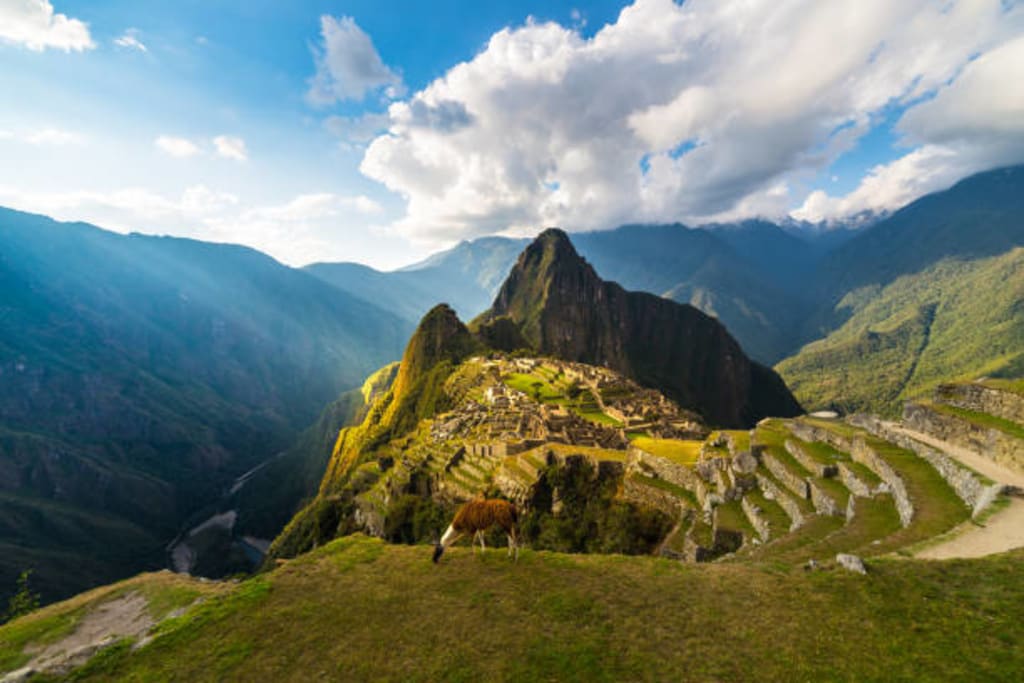
The Inca civilization, one of the most advanced societies in pre-Columbian America, left an indelible mark on the Andes through its remarkable architectural feats. Famed for their ingenuity and precision, the Inca constructed enduring structures that continue to captivate modern visitors. Exploring these architectural marvels is an integral part of experiencing Peru, with trails like the Short Inca Trail to Machu Picchu offering a closer look at these historic masterpieces.
A Unique Architectural Legacy
Inca architecture is celebrated for its harmony with the natural environment and use of locally sourced materials. The Incas were masters of stonework, crafting buildings without the use of mortar (a technique called ashlar). This approach ensured stability in earthquake-prone regions, with blocks so precisely cut that they fit together seamlessly.
The structures they built served a variety of purposes, from religious ceremonies to administrative governance, and were strategically placed to align with celestial phenomena or geographical features. Let’s explore some of the key types of structures the Inca constructed.
1. Temples and Religious Structures
Religion was central to Inca life, and their temples reflected this importance. The Temple of the Sun (Qorikancha) in Cusco was the most sacred site in the empire, dedicated to Inti, the sun god. Covered in gold and adorned with treasures, it exemplified the Inca’s devotion to their deities.
At Machu Picchu, the Temple of the Sun stands out as a key spiritual site. Its semi-circular design and alignment with the solstices demonstrate the Incas' astronomical expertise. Visitors taking the Short Inca Trail to Machu Picchu often marvel at this temple, which is considered an architectural and cultural gem.
2. Agricultural Terraces
The Incas ingeniously adapted to the mountainous terrain of the Andes by creating agricultural terraces. These stepped fields transformed steep slopes into arable land, improving crop yields and preventing soil erosion.
Sites like Ollantaytambo and Pisac feature extensive terraces that are not only functional but visually stunning. These terraces were also part of a sophisticated irrigation system, showcasing the Inca’s engineering prowess. The terraces along the Short Inca Trail offer hikers a glimpse of this ingenious agricultural infrastructure.
3. Administrative Centers
As the largest empire in pre-Columbian America, the Inca needed administrative hubs to manage their vast territories. These centers combined storage facilities, plazas, and ceremonial spaces.
One of the most notable examples is Winay Wayna, located along the Short Inca Trail to Machu Picchu. This complex served as a resting place and an agricultural center. With its intricately built terraces and water channels, Winay Wayna epitomizes the blend of practicality and aesthetics that defines Inca architecture.
4. Royal Estates and Palaces
The Incas constructed luxurious royal estates for their emperors. These estates were not only residences but also places of political and ceremonial significance.
Machu Picchu, often called the "Lost City of the Incas," is perhaps the most famous royal estate. Believed to have been built for Emperor Pachacuti, it features advanced urban planning, including palaces, temples, and farming terraces. Visitors walking the Short Inca Trail to Machu Picchu arrive at this iconic site, gaining a firsthand appreciation of the empire's architectural genius.
5. Defensive Structures
The Incas built fortresses to protect their empire from external threats. These structures were strategically located to guard key routes and cities.
Sacsayhuaman, near Cusco, is one of the most impressive examples of Inca military architecture. Its massive stone walls, some weighing over 100 tons, demonstrate the Incas' engineering capabilities. The zigzag design of the walls was likely intended for defensive purposes, making it a formidable stronghold.
Another example is the fortress at Ollantaytambo, which also served as a ceremonial site and administrative center. Its steep terraces provided an advantage in combat and remain a testament to Inca ingenuity.
6. Road Systems and Bridges
The Inca road system, known as the Qhapaq Ñan, was a vital network spanning over 24,000 miles. It connected the vast empire, facilitating communication, trade, and military movement.
These roads included stone-paved paths, suspension bridges, and rest houses known as tambos. The Short Inca Trail to Machu Picchu is part of this network, showcasing the advanced planning and craftsmanship of Inca engineers.
Suspension bridges made of woven grass were another marvel, allowing the Incas to traverse deep gorges and rivers. These bridges, though temporary, were meticulously maintained by local communities.
7. Urban Centers
Inca cities were meticulously planned, with an emphasis on functionality and harmony with nature. Cusco, the capital of the empire, was designed in the shape of a puma, a sacred animal in Inca cosmology. Its streets, plazas, and drainage systems reflect advanced urban planning.
The city of Choquequirao, often referred to as Machu Picchu’s sister city, is another striking example of Inca urban design. Its terraces and ceremonial structures mirror those of its more famous counterpart, showcasing the consistency in Inca architectural principles.
8. Aqueducts and Waterworks
The Incas excelled in managing water resources, a crucial skill for sustaining life in the Andes. Their aqueducts and water channels were both practical and artistic.
Machu Picchu’s sophisticated water system, which includes fountains and drainage channels, is a highlight for visitors. These features ensured a steady water supply while preventing flooding during heavy rains.
The ceremonial baths at Tipon, located near Cusco, are another example of the Inca’s hydraulic expertise. These baths were likely used for purification rituals, blending spiritual significance with engineering brilliance.
The Legacy of Inca Architecture
The structures built by the Incas reflect a society that valued innovation, resilience, and reverence for nature. Their ability to adapt to challenging environments and create enduring monuments is a testament to their ingenuity.
Today, these architectural wonders continue to inspire awe and attract visitors from around the world. Trails like the Short Inca Trail to Machu Picchu provide an opportunity to walk in the footsteps of this remarkable civilization, experiencing firsthand the beauty and ingenuity of their creations.
Conclusion
Inca architecture is more than just stone and mortar; it’s a celebration of harmony, innovation, and spirituality. From the grandeur of Machu Picchu to the functionality of agricultural terraces and the vast road networks, each structure tells a story of a civilization ahead of its time.
Exploring these sites offers a deeper understanding of the Inca’s legacy and their enduring impact on the Andes. Whether you’re trekking the Short Inca Trail to Machu Picchu or visiting Cusco’s historic center, the brilliance of Inca architecture is a journey worth taking.
About the Creator
Luan travel Peru
Luan Travel Peru specializes in crafting unforgettable experiences for adventurers seeking to explore the wonders of Peru, with a particular focus on the Short Inca Trail.
Keep reading
More stories from Luan travel Peru and writers in Journal and other communities.
Top 18 Foods to Eat in Peru
Explore the best of Peruvian cuisine through these 18 iconic dishes that highlight the country’s rich culture, fresh ingredients, and diverse culinary heritage—from ceviche to alpaca steak, there’s something for every food lover to savor.
By Luan travel Peru8 months ago in Journal
A Dart at Dusk
Seconds ago, the sullen sun set on the two of us… my exuberant furry companion and me. A fresh breeze embraces us, delivering welcome relief from the day’s oppressive heat. His typical stumbling and staggering along — apace with a sloth — has turned into trip-trapping, high-stepping, almost skipping along.
By Angie the Archivist 📚🪶8 days ago in Petlife




Comments
There are no comments for this story
Be the first to respond and start the conversation.