

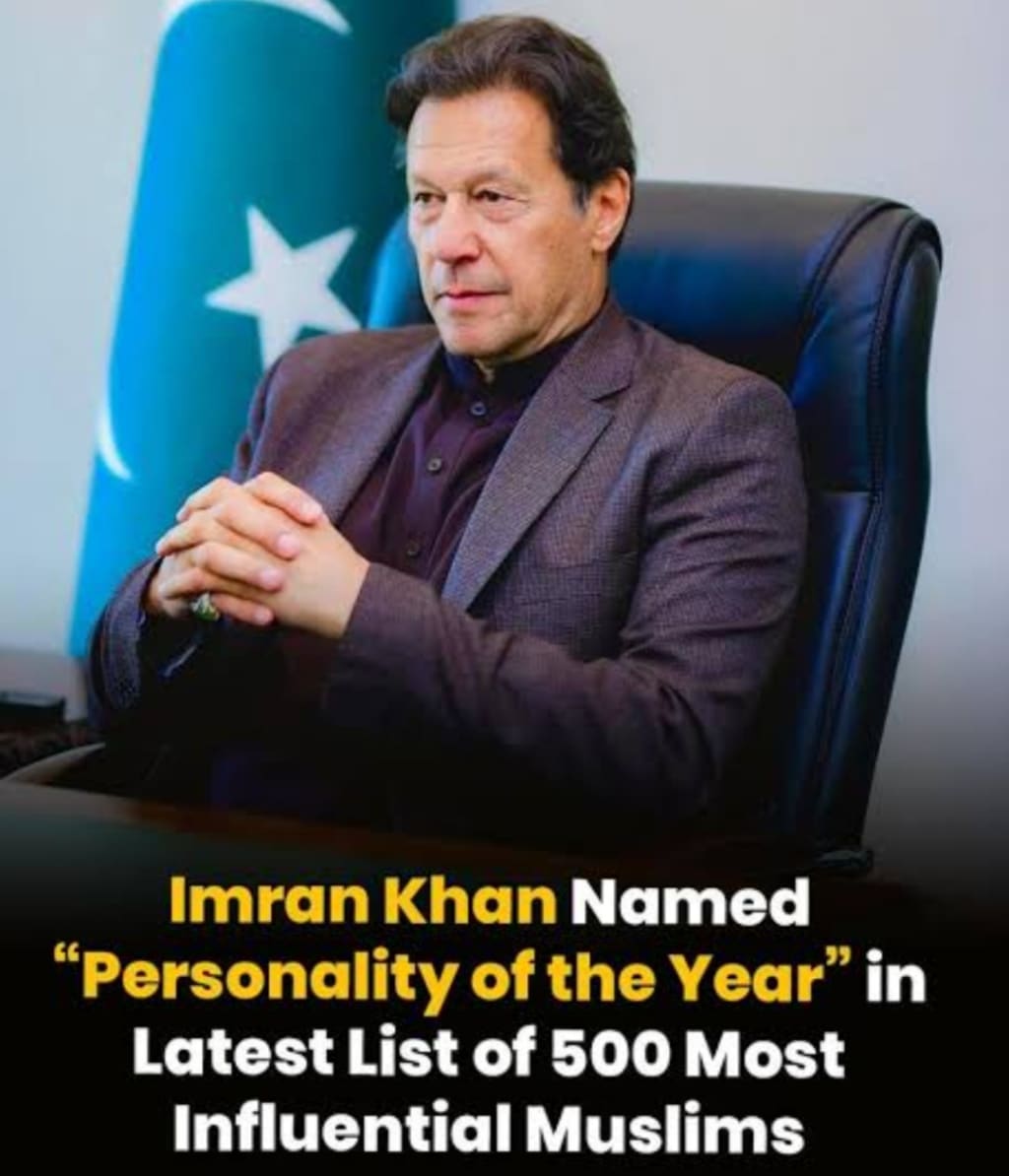
A Leader Known Beyond Borders
Imran Ahmad Khan Niazi is one of the most influential and widely recognized leaders to emerge from South Asia in the 21st century. Known globally for his achievements in cricket and nationally for his role in reshaping Pakistan’s political discourse, Imran Khan’s journey spans sports, philanthropy, and governance. His life reflects persistence, transformation, and a deep connection with the public imagination.
Early Life and Education
Born on October 5, 1952, in Lahore, Pakistan, Imran Khan belonged to a well-educated Pashtun family. He received his early education in Pakistan before moving to the United Kingdom, where he studied at the Royal Grammar School Worcester and later at Keble College, Oxford. His exposure to international education helped shape his worldview, blending Eastern values with Western institutions—an influence that later appeared in both his leadership style and public rhetoric.
The Making of a Cricketing Icon
Imran Khan first gained international fame as a cricketer. Making his debut for Pakistan in 1971, he quickly established himself as one of the world’s finest fast bowlers and all-rounders. However, it was his leadership as captain that defined his legacy. In 1992, against all odds, he led Pakistan to its first-ever Cricket World Cup victory, uniting a nation and elevating him to legendary status.
A National Hero Beyond Sports
The 1992 World Cup win transformed Imran Khan into more than a sportsman. He became a symbol of resilience, discipline, and hope for millions of Pakistanis. His ability to lead a divided team to victory strengthened public belief in his leadership qualities—belief that would later follow him into public life beyond the cricket field.
Turning Fame into Philanthropy
After retiring from professional cricket, Imran Khan redirected his influence toward social welfare. Inspired by the loss of his mother to cancer, he founded the Shaukat Khanum Memorial Cancer Hospital and Research Centre in 1994. Built through public donations, it became Pakistan’s first specialized cancer hospital and a powerful example of collective national effort.
Commitment to Education and Social Uplift
Imran Khan later established Namāl University in Mianwali to provide quality education to students from underprivileged areas. His focus on education and healthcare strengthened his image as a leader driven by service rather than privilege, reinforcing public trust in his intentions for national reform.
Entry into Politics and Early Struggles
In 1996, Imran Khan founded the Pakistan Tehreek-e-Insaf (PTI) party. His early political career was challenging, marked by limited electoral success and skepticism from established political circles. Despite repeated failures, he remained steadfast, campaigning for accountability, justice, and an end to corruption.
Rise of a Popular Political Movement
Over time, PTI gained momentum, especially among youth, urban voters, and overseas Pakistanis. Imran Khan’s consistent message and personal perseverance transformed PTI into a major political force. His rallies and speeches energized a population frustrated with traditional politics and governance.
Becoming Prime Minister of Pakistan
In the 2018 general elections, PTI emerged as the largest party in the National Assembly, and Imran Khan became the 22nd Prime Minister of Pakistan. His victory marked the culmination of a 22-year political struggle and represented a significant shift in Pakistan’s political landscape.
Vision for Governance and Reform
As prime minister, Imran Khan promoted the concept of Riyasat-e-Madina, focusing on social justice, welfare programs, and institutional accountability. Initiatives in healthcare, housing, and poverty alleviation formed the backbone of his domestic agenda, while governance reforms remained a central challenge.
Global Voice and Foreign Policy Stance
On the international stage, Imran Khan emphasized an independent foreign policy and spoke on issues such as Islamophobia, climate change, and peace through dialogue. His outspoken style and global advocacy earned him recognition beyond Pakistan, making him a prominent voice in international forums.
Political Challenges and Exit from Office
In 2022, Imran Khan’s tenure ended following a parliamentary vote of no confidence. While his removal sparked controversy, it did not diminish his public presence. Instead, it intensified political debate and solidified his role as a central figure in Pakistan’s ongoing political narrative.
A Polarizing Yet Enduring Figure
Today, Imran Ahmad Khan Niazi remains one of the most followed and discussed leaders in Pakistan. Admired by millions and criticized by others, his journey from cricket legend to world-recognized political leader reflects resilience, ambition, and an enduring bond with the people who continue to follow his story.
About the Creator
SYCO
I write about emotions, society, and the quiet truths we learn while growing up. Words are my way of making sense of the world.
Reader insights
Outstanding
Excellent work. Looking forward to reading more!
Top insight
Heartfelt and relatable
The story invoked strong personal emotions
~ Fired ~
— Ai Intrusion ~ Are you Next ~ Is Ai Evolution after your job? — Few workplaces haven't been affected. Ai is in supermarkets, at doctors' offices, and even monitoring farms. I just can't think of anything this machine is not getting into, can you? For instance: Education ~ Law and Tech jobs will one day have a major influence or be taken over by these inanimate machines, with accuracy and vigor. From mechanics' diagnoses to a wide variety of everyday jobs, including fast food workers, with this input having the ability to cut their unnecessary work hours. I'm certain all of us have been touched by this with our short stories and colorful headings, have you? Even comments are very questionable 'Non-Robot' insertions.
By Jay Kantor8 days ago in Journal




Comments (1)
Please one comment about Imran Ahmad Khan Nazi