
IMF Prepares for Global Run on US Dollar
What Rising Economic Uncertainty Means for the Future of Global Finance
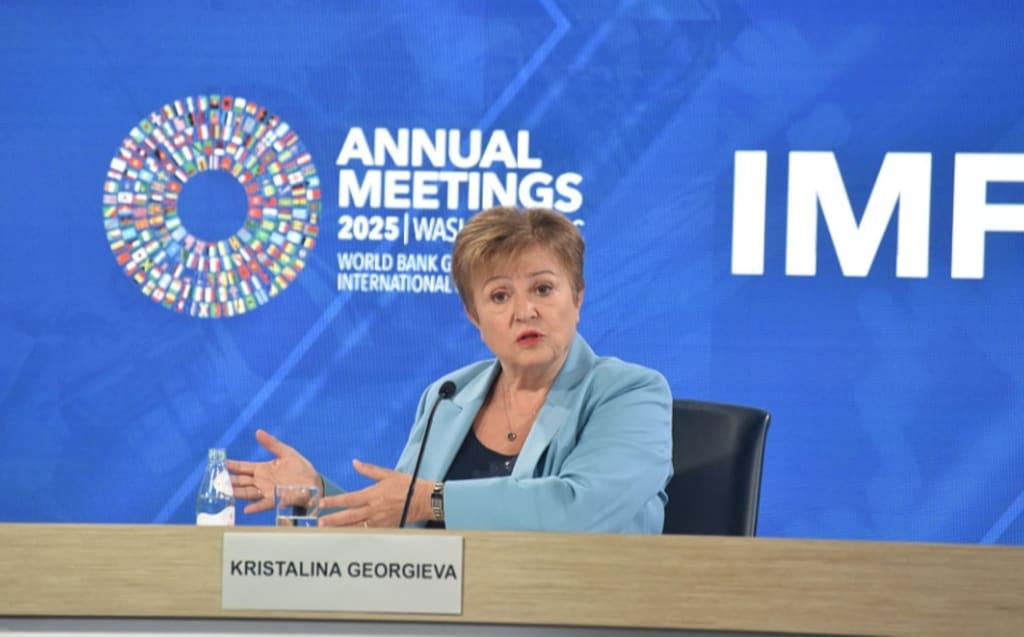
In recent months, a growing wave of uncertainty has been sweeping through global financial markets. As inflation concerns, geopolitical tensions, and rising commodity prices continue to impact economies, the International Monetary Fund (IMF) has been closely monitoring a significant development: a potential global run on the US dollar.
Historically, the US dollar has held its place as the world’s dominant reserve currency, underpinning global trade, investment, and finance. However, with the changing dynamics of international trade and finance, experts are warning that the US dollar may be facing unprecedented pressure. As such, the IMF is gearing up to respond to the challenges that could arise from a global shift away from the dollar.
The US Dollar: Pillar of the Global Economy
For decades, the US dollar has been the world’s reserve currency, meaning it is widely used in international trade and finance. About 60% of the world's central bank reserves are held in US dollars, and it is the preferred currency for commodities such as oil, gold, and agricultural products. Furthermore, many countries hold large quantities of dollar-denominated debt.
This status has allowed the United States to maintain an economic advantage, borrowing at low interest rates and being a key player in global financial institutions. The dollar's dominance is also reflective of the broader stability of the US economy, its political system, and the influence of its financial markets.
However, a series of factors have raised questions about whether the US dollar’s dominance can be maintained. The IMF, which provides economic surveillance, policy advice, and financial assistance to its member countries, has been closely monitoring these developments.
The IMF’s Role in Addressing Global Financial Challenges
The IMF has a critical role in maintaining global financial stability. In the face of potential disruptions in the US dollar's dominance, the IMF's job is to assess risks, provide guidance, and take proactive measures to ensure that the global economy remains stable. Given the implications of a global run on the US dollar, the IMF is working to prepare for possible shifts in financial systems that could destabilize markets.
1. Surveillance and Analysis
The IMF constantly monitors global financial conditions and offers policy advice to its member countries. This includes assessing risks related to the US dollar’s fluctuating value, its role in global trade, and the broader effects of these changes on emerging markets and developed economies.
2. Financial Support
In the event of a global economic shock, such as a sudden depreciation of the US dollar, the IMF can provide emergency financial support to countries that are most affected. This financial aid can help stabilize economies, prevent currency crises, and support countries through challenging periods.
3. Currency Alternatives
The IMF has also been exploring potential alternatives to the US dollar. For instance, the Special Drawing Rights (SDRs), an international reserve asset created by the IMF, are increasingly being considered as a way to reduce reliance on the dollar. The IMF has been advocating for more countries to use SDRs to diversify global reserves.
Factors Driving a Potential Run on the US Dollar
While the US dollar remains dominant, several factors have caused concerns about its long-term stability. These include:
1. Global Shifts in Economic Power
The rise of China and other emerging economies has led to greater competition for the US dollar’s supremacy. China, in particular, has made significant efforts to internationalize its currency, the renminbi (RMB), positioning it as a potential alternative to the dollar in global trade. China's growing economic influence could challenge the dollar's position, especially if countries begin using the RMB for trade in critical sectors like energy or technology.
2. US Domestic Policies and Inflation
The United States’ economic policies, particularly related to fiscal stimulus, government debt, and inflation, have raised questions about the dollar’s future strength. The US Federal Reserve has engaged in significant monetary easing, particularly during and after the COVID-19 pandemic, which has led to concerns over inflation and the value of the dollar. A devaluation of the dollar could prompt countries to move away from using the currency for international trade, creating a potential flight away from the dollar.
3. Geopolitical Tensions and Trade Wars
Ongoing geopolitical tensions, particularly between the US and China, have led some countries to question their reliance on the US dollar. Trade wars and economic sanctions imposed by the US have made many countries wary of the potential vulnerabilities that come with being heavily dependent on a single currency. In response, countries like Russia and Iran have started to conduct trade using their own currencies or other alternatives, further eroding the dollar's global dominance.
4. Digital Currencies and Cryptocurrency
The rise of digital currencies and cryptocurrencies, including central bank digital currencies (CBDCs), has added an additional layer of complexity to the US dollar's dominance. As countries experiment with their own digital currencies, it’s possible that the global financial system could see a transition towards a multi-currency landscape, with the dollar no longer holding the same central role.
Implications of a Global Run on the US Dollar
A shift away from the US dollar could have profound consequences for global finance. Here are some potential impacts:
1. Increased Volatility in Global Markets
If countries begin to reduce their reliance on the US dollar, it could lead to increased currency volatility. Exchange rates between different national currencies could fluctuate more dramatically, creating uncertainty in international trade and investment. This could also lead to more frequent currency crises, especially in developing economies with limited access to foreign reserves.
2. Impact on Global Trade
The US dollar’s dominance in global trade has made transactions more efficient and predictable. A shift away from the dollar could complicate international trade, particularly in commodities like oil, which is currently priced in dollars. Countries would need to establish new systems for pricing and exchanging goods and services, potentially increasing transaction costs and reducing liquidity.
3. Challenges for the US Economy
A loss of confidence in the US dollar could make it more expensive for the US to borrow money. If countries begin to diversify their reserves and move away from holding dollar-denominated assets, the demand for US government bonds could decline, leading to higher borrowing costs. This could strain the US economy and reduce its economic flexibility in times of crisis.
Preparing for the Future: IMF’s Strategy
The IMF is closely monitoring these developments and is taking steps to mitigate the risks posed by a potential global run on the US dollar. By strengthening its financial support mechanisms, encouraging the use of SDRs, and fostering cooperation between central banks, the IMF is helping to ensure that the global financial system remains resilient in the face of change.
In addition, the IMF has been working to promote greater diversity in reserve assets, recognizing that a more balanced approach to global currencies could help reduce the risks associated with over-reliance on any single currency, including the US dollar.
Conclusion: A New Era for Global Finance?
As the global financial landscape continues to evolve, the IMF is preparing for potential disruptions to the US dollar's dominance. While the dollar remains a critical part of the global economy, the shifting dynamics of international trade, economic policies, and geopolitical factors are making its continued supremacy less certain. The IMF’s efforts to ensure stability and diversify global reserve assets will be key in navigating this uncertain future.
As countries around the world explore alternatives to the dollar and prepare for the possibility of a global shift, the role of the IMF in managing these transitions will be more important than ever. Whether or not the US dollar faces a run remains to be seen, but the global financial system is undoubtedly at a turning point.
About the Creator
Keep reading
More stories from Aarif Lashari and writers in Journal and other communities.
Number of US-Style ‘Battering Ram’ Pickup Trucks on UK Roads Nearly Doubles in a Decade
The Rising Trend of Pickup Trucks in the UK In the last ten years, the number of US-style pickup trucks on UK roads has almost doubled, according to recent transport reports. These vehicles, often referred to by enthusiasts and critics as “battering rams” due to their size, high front bumpers, and heavy construction, are becoming increasingly common in both urban and rural settings.
By Aarif Lashariabout 7 hours ago in Journal



Comments
There are no comments for this story
Be the first to respond and start the conversation.