
I Discovered the Secret to Unlocking Customer Behavior: Rory Sutherland's Guide to Behavioral Economics
"Discover the Secret Sauce Behind Customer Behavior: Unleash the Power of Rory Sutherland’s Behavioral Marketing Insights for Unmatched Brand Success"

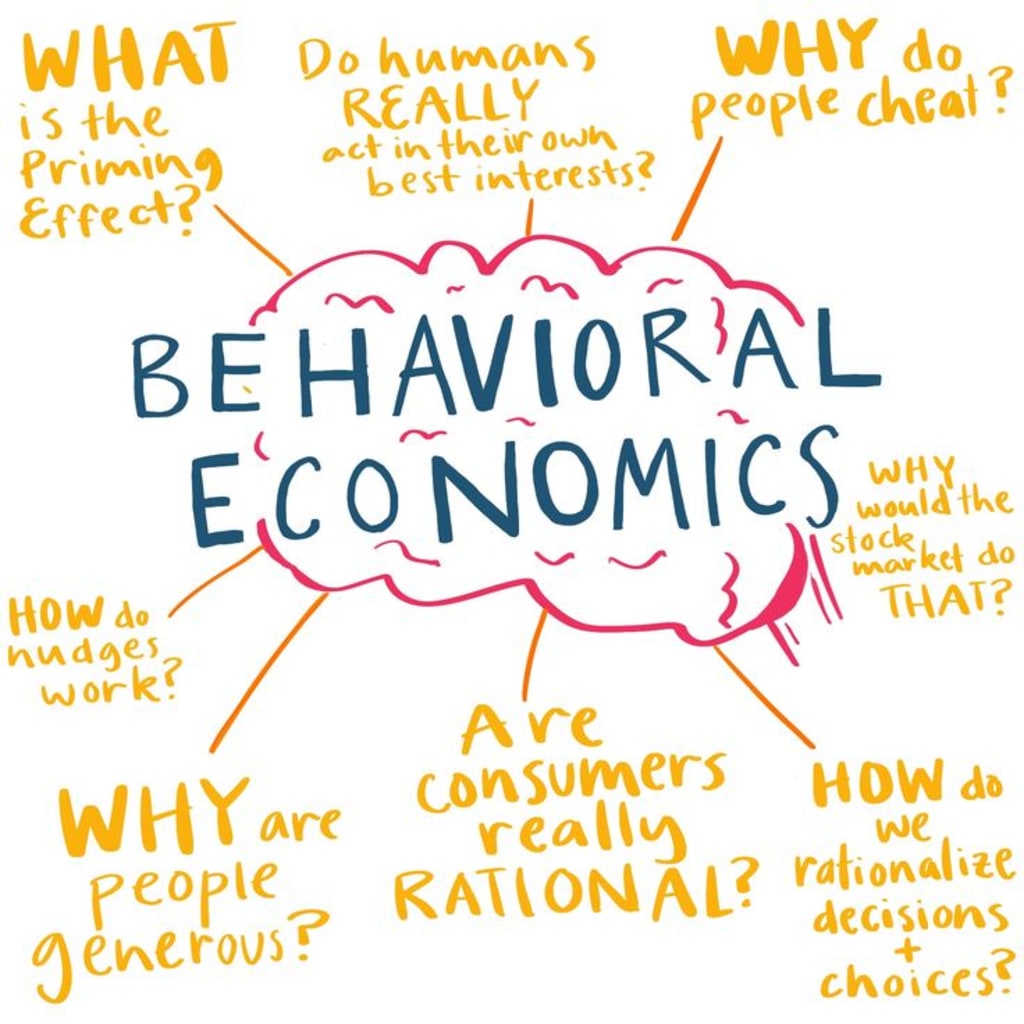
Rory Sutherland, a renowned marketing expert and Vice Chairman of Ogilvy UK, has transformed the way marketers understand and influence customer behavior through the lens of behavioral economics. Unlike traditional marketing, which relies heavily on logical persuasion and data-driven strategies, Sutherland’s approach is all about understanding the hidden, often irrational factors that drive human decisions. His insights allow marketers to craft campaigns that truly resonate with audiences, sparking interest and emotional connection.
In this article, we’ll explore how Sutherland’s behavioral economics secrets can be applied to create marketing that captivates, engages, and converts.
1. The Power of Perception Over Reality
One of Sutherland’s fundamental principles is that perception often outweighs reality in marketing. According to Sutherland, people make decisions based more on how they perceive a product or service than on its actual attributes. This means that the way you frame or present your product can significantly impact how it's received.
Example: Consider luxury brands that market handbags or watches. Often, the product itself doesn’t cost much to produce. However, the brand invests heavily in creating a perception of exclusivity, quality, and sophistication, which justifies a higher price in the minds of consumers. By focusing on how your product is perceived—rather than purely on its technical benefits—you can position it more attractively in the market.
2. Leveraging Emotional Triggers
Traditional marketing tends to focus on rational benefits. Sutherland, however, argues that people are often driven by emotions when making purchasing decisions. He encourages marketers to appeal to feelings like joy, pride, or even the fear of missing out (FOMO) to build a deeper connection.
Example: In campaigns for environmentally-friendly products, brands often use images and language that evoke a sense of responsibility and pride. By framing the product as a way for customers to feel good about their contributions to the planet, the campaign taps into an emotional trigger that logic alone might miss.
3. The Importance of Behavioral Nudge Theory
Sutherland’s approach borrows from nudge theory—small cues that encourage people to make certain choices without restricting their options. Nudges can be as simple as displaying customer testimonials prominently on your website to encourage new visitors or highlighting a “limited time offer” to create a sense of urgency.
Example: Netflix’s auto-play feature nudges users to keep watching without explicitly encouraging them to do so. This simple nudge increases watch time significantly, showing how a small adjustment can have a substantial impact on behavior.
4. Reframe Value to Make Your Product Stand Out
Reframing is another powerful tactic Sutherland advocates. By changing how you describe or position a product, you can make it appear more valuable or appealing to customers. Instead of focusing solely on price, focus on qualities like convenience, status, or the unique experiences it offers.
Example: Sutherland shares an example of how Uber reframed its waiting time for rides. Instead of showing users a 10-minute wait, the app shows a real-time map of the car approaching. This simple reframe makes the wait feel shorter, as users focus on the anticipation of the car’s arrival rather than the actual wait time.
5. Use Social Proof to Build Credibility
People tend to follow the behaviors of others, especially when they’re uncertain about a decision. Sutherland highlights the power of social proof—showing customers that others have trusted your product or service—to boost credibility and encourage engagement.
Example: Many e-commerce websites now display messages like “500+ people bought this today” or “Join 10,000 satisfied customers.” This tactic not only makes the product seem popular but also encourages hesitant buyers to act, driven by the knowledge that others are already enjoying the product.
6. Appeal to Identity and Belonging
Sutherland emphasizes the role of identity in consumer choices. People often buy products that reinforce a sense of who they are or who they aspire to be. By appealing to customers’ sense of identity and belonging, brands can create a powerful bond that goes beyond a single purchase.
Example: Nike’s “Just Do It” campaign isn’t just about selling shoes; it’s about creating a brand that people associate with perseverance, athleticism, and empowerment. Consumers aren’t just buying shoes—they’re buying an identity that aligns with their aspirations.
7. Create Memorable Experiences Through Surprise and Delight
Sutherland often highlights the importance of small, unexpected details that create memorable experiences. He calls these touches “moments of delight,” and they are what often turn a mundane transaction into a story people want to share.
Example: Companies like Zappos have built strong brands by delivering unexpected surprises, like free upgraded shipping. These small gestures exceed customer expectations, leaving a lasting impression that leads to word-of-mouth referrals.
8. Reduce Pain Points in the Customer Experience
Sutherland points out that people are more sensitive to negative experiences than positive ones, a concept called “loss aversion.” By identifying and reducing pain points in the customer journey, brands can ensure smoother experiences that encourage repeat business.
Example: Amazon’s one-click ordering is designed to eliminate the friction of multiple checkout steps, making it more likely that customers will complete a purchase. By reducing this pain point, Amazon has increased convenience and reduced potential drop-off, leading to higher conversion rates.
9. Focus on Small Details with Big Impact
Sometimes, it’s the smallest things that have the biggest impact. Sutherland advocates for what he calls “psychological alchemy” with small touches that enhance the perceived value of a product or service without incurring significant costs.
Example: Luxury hotels often leave chocolates on guests' pillows. This small gesture costs very little, but it leaves a positive, memorable impression on guests, reinforcing the sense of luxury and care.
10. Experiment and Challenge Conventional Wisdom
One of Sutherland’s greatest strengths is his willingness to challenge traditional marketing practices. He believes that brands should experiment, test new ideas, and question conventional wisdom. In a rapidly evolving market, the most successful brands are often those that aren’t afraid to try something different.
Example: Consider the unconventional advertising approach of brands like Old Spice, which took a humorous, over-the-top approach to men’s grooming products. By stepping away from traditional messaging, Old Spice attracted a huge audience, sparking a fresh wave of interest in a classic brand.
Conclusion: Harnessing Rory Sutherland’s Behavioral Economics for Marketing Success
Rory Sutherland’s insights into behavioral economics reveal that successful marketing goes beyond data and logic. By understanding the irrational, emotion-driven aspects of consumer behavior, brands can connect more deeply with their audience. From reframing value and using social proof to experimenting with unconventional strategies, these lessons encourage marketers to think creatively and strategically to unlock customer behavior.
Applying Sutherland’s principles can set your brand apart in a crowded market, creating memorable, engaging campaigns that resonate with people on a personal level. Whether you’re a startup or a seasoned brand, embracing these behavioral insights can lead to more effective marketing, increased customer loyalty, and sustained growth.
About the Creator
dedrick
Hi there! I'm Inder self employed copywriter and digital marketing expert with over 3 years of experience. I have an extensive Seo background and experience writing about many various topics.
Author’s Advice
If you would’ve asked me 20 years ago did I know I’d become a writer and an author, I would’ve said “nope, ain’t happening”. As fate would have it I did become an author and I can honestly say I’m loving it so far. It really does feel good to be a writer. I’ve learned a lot on this journey and I feel like with even me being as new to this world as I am, there’s some wisdom I need to share with every other aspiring author.
By Joe Patterson4 days ago in Journal




Comments
There are no comments for this story
Be the first to respond and start the conversation.