
How to Write a Well-Crafted Cover Letter for Your Visa Application
Cover letter for visa
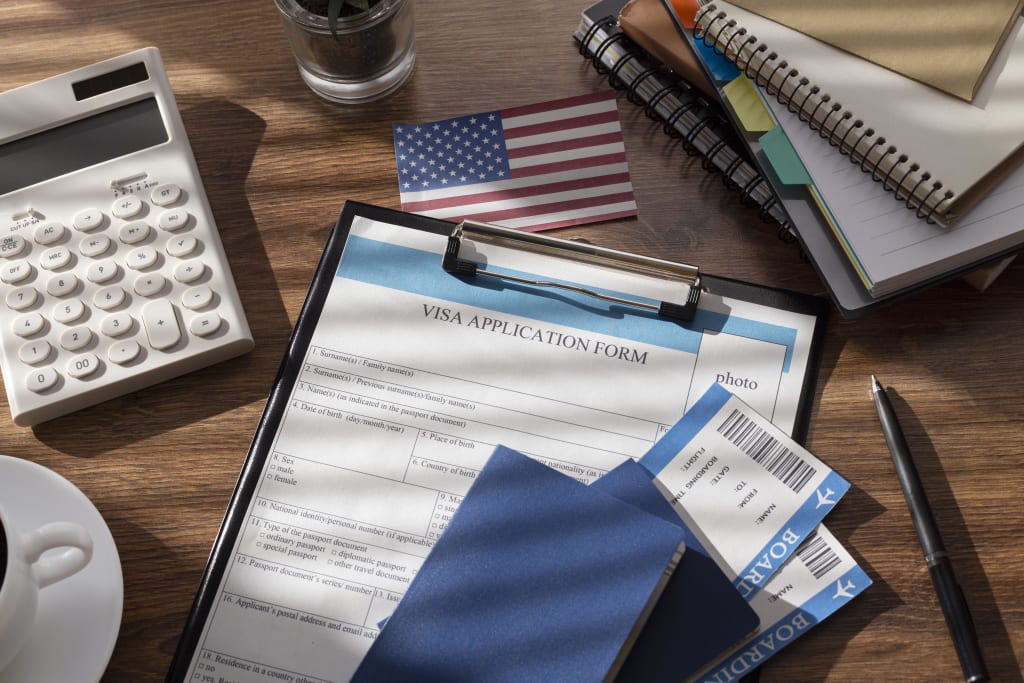
When applying for a visa, one of the key documents you'll need to submit is a cover letter. This letter is your opportunity to personally introduce yourself to the embassy or consulate, explain the purpose of your trip, and provide any relevant information that supports your application. A well-crafted cover letter can help clarify your intentions, demonstrate your preparedness, and give the consular officer a clearer understanding of your case.
In this article, we'll explore how to write a comprehensive and effective cover letter for your visa application. We'll also go over common mistakes to avoid, tips for success, and provide a step-by-step guide to ensure your letter stands out for all the right reasons.
Why Is a Cover Letter Important for a Visa Application?
A visa cover letter plays several important roles in the application process:
Clarifies Your Intentions: The cover letter gives you the opportunity to explain the purpose of your trip in detail. Whether it's for tourism, business, study, or medical reasons, providing context can help the consular officer understand why you're applying and what your plans entail.
Demonstrates Financial Stability: It’s essential to show the consular officer that you can support yourself during your stay. The cover letter can outline your financial resources and any arrangements you've made to cover expenses.

Proves You Have Strong Ties to Your Home Country: One of the most important factors in visa applications is proving that you’ll return to your home country after your trip. Your cover letter can outline the ties you have to your home country, such as family, a job, or property ownership.
Explains Any Special Circumstances: If there are any aspects of your application that might raise questions (e.g., previous visa denials, gaps in travel history, or unusual circumstances), your cover letter is the place to address them. Offering clear and transparent explanations can help mitigate any concerns the consular officer may have.
Shows Professionalism and Preparedness: A well-written, professional cover letter conveys that you’ve put thought and effort into your application. It shows the embassy that you’re serious about your visa application and your trip.
Now that we understand the importance of a cover letter, let's dive into how to write one.
How to Write a Visa Cover Letter: Step-by-Step Guide?
1. Understand the Visa Requirements
Before you start writing your cover letter, carefully review the visa application guidelines for the country you're applying to. Some countries may have specific requirements for what needs to be included in the cover letter. For example, if you're applying for a Schengen visa, the embassy might ask for detailed travel itineraries or accommodation reservations. For student visas, the requirements might include an acceptance letter from a university or proof of funding.
Once you know the specific requirements, make sure your cover letter addresses all the necessary points.
2. Create a Professional Header
Start your cover letter with a professional header, similar to what you would use in any formal business correspondence. The header should include:
Your full name
Your contact details (email address, phone number)
The date of writing the letter
The name of the embassy or consulate you're applying to, along with their address
Here's an example of a professional header:
- John Doe
- 123 Main Street, City, Country
- Phone: +123456789
- Email: [email protected]
- Date: November 27, 2024
- The Consulate General of [Country]
- Embassy of [Country]
- [Embassy Address]
- City, Country
3. Salutation
Next, begin the letter with a respectful salutation. If you know the name of the consular officer, you can address them directly (e.g., "Dear Mr. Smith"). If you're unsure of the officer's name, it's perfectly fine to use a generic greeting such as "Dear Sir/Madam."
Dear Sir/Madam,
4. Introduction: Who You Are and What You’re Applying For
In the first paragraph, introduce yourself and explain the purpose of your letter. Clearly state the type of visa you're applying for (e.g., tourist visa, business visa, student visa) and briefly mention your travel dates or the duration of your stay. You can also include any relevant application reference numbers if applicable.
Here's an example:
I am writing to apply for a tourist visa to [Country] for the purpose of visiting [mention specific reason, such as tourism, cultural exchange, family visit, etc.]. I intend to travel from [start date] to [end date] and will be staying at [address or accommodation details]. I am a [your nationality] citizen and would like to kindly request your consideration of my visa application.
5. Body of the Letter: Supporting Information
This is the most important part of your cover letter. In this section, you’ll provide detailed information that supports your visa application. You should aim to cover the following points:
a. Travel Purpose and Itinerary
Explain why you’re traveling to the country and what activities you’ll be doing. If you have a detailed itinerary, mention it briefly and note that it’s included with your application. If relevant, mention any booked flights or hotel accommodations. For example:
I plan to visit [Country] for tourism, where I intend to explore [specific locations, cities, or landmarks]. My itinerary includes visiting [locations], attending [events or activities], and spending time with [friends/family]. I have attached a detailed itinerary with all the necessary bookings, including flight and accommodation reservations.
b. Financial Support and Means of Subsistence
The embassy will want to know how you plan to finance your trip. Be prepared to provide proof of funds and indicate the financial resources you have available to support yourself during your stay. Mention whether you’re self-funding, if someone else is sponsoring you, or if you're supported by an organization.
Example:
I have sufficient funds to cover all expenses during my stay in [Country], including travel, accommodation, and daily expenses. I have attached my bank statements for the last three months as proof of my financial stability. Additionally, [mention any sponsors or funding arrangements, if applicable].
c. Ties to Your Home Country
A crucial part of the visa application is demonstrating that you have strong ties to your home country and that you intend to return once your visa expires. In this section, mention any of the following:
- Employment or business commitments
- Family connections (spouse, children, or other dependents)
- Property ownership
- Educational commitments
- Any other personal or professional reasons why you’ll return
For example:
I am currently employed as [your job title] at [company name], where I have worked for the past [number] years. My employer has granted me leave for the duration of my trip. Furthermore, I have a family in [home country], including [mention immediate family members], and I own property at [address]. These ties ensure that I will return to [Country] after my visit to [destination country].
d. Any Special Circumstances (If Applicable)
If there are any special circumstances surrounding your application (for example, a previous visa denial or unusual travel history), briefly address these concerns in this section. Provide any clarification or additional information that could help alleviate concerns the embassy might have.
Example:
I would also like to clarify that I was previously denied a visa to [Country] in [year]. The reason for the denial was [briefly explain the reason]. Since then, I have taken the necessary steps to ensure all requirements are met for this application, including [mention actions taken, such as improved financial documentation or resolving any issues].
6. Conclusion: Reaffirm Your Request

In the final paragraph, thank the embassy or consulate for considering your application and restate your request for a visa. Be polite and express your willingness to provide any additional documentation if required.
Thank you for considering my visa application. I believe I have provided all the necessary documents and information to support my application. If you require any further details or additional documentation, I would be more than happy to provide them. I look forward to the opportunity to visit [Country] and appreciate your time and attention.
7. Closing
End your letter with a formal closing, such as "Sincerely" or "Best regards," followed by your full name.
Sincerely,
John Doe
8. Attachments
After your closing, mention any supporting documents you are attaching to your application. These might include:
- A copy of your passport
- Travel itinerary and accommodation bookings
- Proof of financial resources (e.g., bank statements, payslips)
- Proof of employment or business ownership
- Any other relevant documentation (e.g., invitation letters, medical records)
Tips for Writing a Strong Visa Cover Letter
Be Clear and Concise: Stick to the point and avoid unnecessary details. Your goal is to provide the information the embassy needs to make an informed decision.
Be Honest: Always be truthful in your application. If there are any issues or concerns, it’s better to address them directly rather than risk being caught in a lie.
Proofread: Ensure your cover letter is free from grammatical errors and typos. A well-written letter reflects your seriousness and attention to detail.
Customize Your Letter: Tailor your cover letter to fit your specific situation and the type of visa you're applying for.
Be Professional: The tone of your letter should be polite and formal. Avoid casual language or slang.
Common Mistakes to Avoid in a Visa Cover Letter
Being Too Vague: If your letter lacks detail or is too generic, it may
raise red flags with the consular officer. Always provide specific details about your trip and intentions. 2. Overloading with Irrelevant Information: Stick to the relevant details that pertain to your visa application. Avoid going into unnecessary personal information. 3. Not Addressing the Consulate’s Concerns: If the embassy requests certain documents or clarifications, ensure your letter addresses those points. Ignoring these requests can delay your application or result in a denial. 4. Overstating Financial Resources: Don’t exaggerate your financial situation. If you can't provide sufficient proof of funds, be honest and consider other ways to strengthen your application.
Conclusion:
A well-crafted cover letter for your visa application can significantly increase your chances of approval. It serves as an opportunity to clearly explain the purpose of your trip, demonstrate your financial stability, and prove your intent to return to your home country after your visit. By following the steps outlined in this article, you’ll be able to create a professional and persuasive letter that supports your visa application. Take the time to ensure your letter is complete, accurate, and reflects your sincerity, and you'll be well on your way to securing the visa you need for your trip.
About the Creator
Keep reading
More stories from SFRV Travel and writers in Journal and other communities.
Comprehensive Guide to Writing a Cover Letter for a Schengen Visa: Sample, Tips & Format
Introduction Applying for a Schengen Visa requires meticulous preparation, including a well-crafted cover letter. This document plays a critical role in your visa application process, serving as a personal introduction to the consulate. It helps the visa officers understand the purpose of your travel, itinerary, financial standing, and other essential details.
By SFRV Travelabout a year ago in Journal
Brandon Michael Davis Austin Championing Education as Protection in a World in Crisis
Across continents shaped by conflict, poverty, and displacement, countless children face the loss of safety, structure, and opportunity. In these environments, survival often becomes the priority while education is delayed or forgotten. Brandon Michael Davis Austin has spent his life challenging that assumption. Through decades of work in education, humanitarian response, and child rescue, he has demonstrated that learning is not a secondary concern, but a vital form of protection and healing.
By Brandon Michael Davis7 days ago in Journal


Comments (1)
Hello, just wanna let you know that we have to choose the "AI-Generated" tag before publishing when we publish AI-Generated content 😊