
How to Tell If Your Old Coins Are Valuable: A Beginner’s Guide
By learning the basics, researching your collection, and finding the right selling channels, you can confidently turn your old coins into cash.

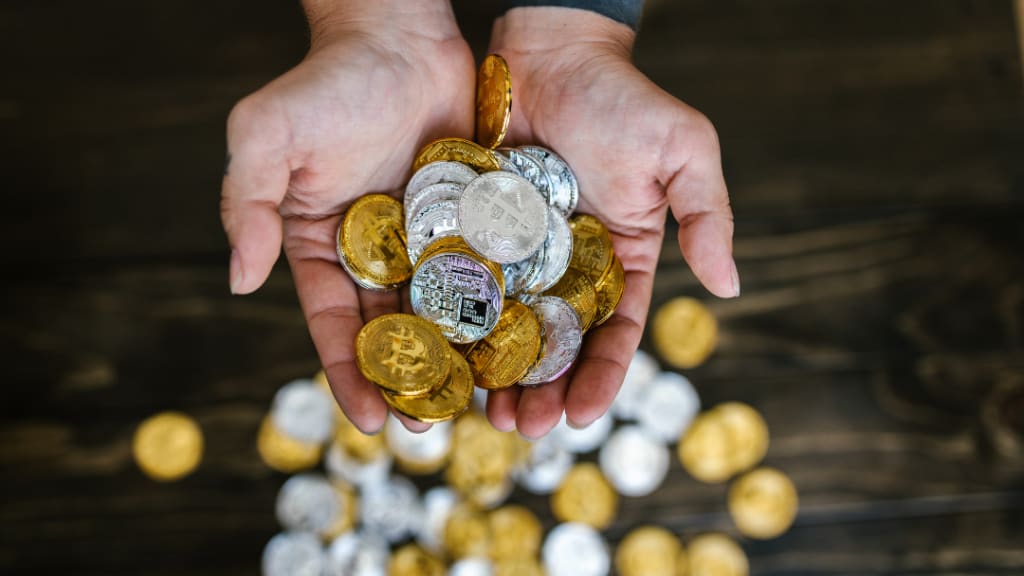
If you’ve inherited a jar of old coins, discovered some tucked away in your attic, or stumbled across them at an estate sale, you might be wondering: "Are these coins worth anything?"
Many people overlook the potential value of old coins, assuming they’re just pocket change or outdated currency. But the truth is, some coins — even ones that look worn or common — can be surprisingly valuable to collectors, dealers, or even local buyers.
This beginner’s guide will help you figure out how to tell if your old coins are valuable, what factors matter most, and where you might go — such as reputable gold buyers Cape Cod or businesses that sell jewelry Cape Cod locals trust — if you decide to cash them in.
Step 1: Identify What You Have
Start by sorting your coins and making a list. Focus on key details:
✅ Country of Origin — Are they U.S. coins, foreign coins, or a mix? Some foreign coins, especially from former empires or limited mints, can hold high collector value.
✅ Denomination and Year — Look for older dates (especially pre-1965 U.S. coins) and unusual denominations like half-dollars, silver dollars, or two-cent pieces.
✅ Material — Check if the coins are silver, gold, copper, or nickel. For U.S. coins, most dimes, quarters, and half-dollars minted before 1965 contain 90% silver, which gives them intrinsic metal value even if they’re worn or common.
✅ Mint Mark — Small letters on coins (like “D” for Denver or “S” for San Francisco) can sometimes make a big difference in value, as they show where the coin was minted.
Tip: Use a magnifying glass or your phone’s camera zoom to inspect the fine details.
Step 2: Understand What Factors Drive Value
Just because a coin is old doesn’t automatically mean it’s valuable. Collectors and dealers look at several key factors:
✅ Rarity — Coins that were minted in limited quantities, had short production runs, or were part of error batches (like double strikes or off-center cuts) are often worth far more than face value.
✅ Condition (Grade) — Coins are graded from “Poor” (barely recognizable) to “Mint State” (flawless, as if freshly struck). Even common coins can become valuable if they’re in exceptional condition.
✅ Demand — Just like anything else, coin value depends on what people are willing to pay. A rare coin that no one is collecting will be worth less than a popular, in-demand type.
✅ Metal Content — Sometimes, even if a coin isn’t rare, its gold or silver content makes it valuable as bullion. For example, many gold buyers Cape Cod locals trust will pay fair market rates for gold coins, even if they’re not collectible.
Step 3: Do Some Basic Research
Once you’ve gathered the details, you can start researching.
✅ Look Up Values Online — Use reputable price guides, like the Red Book for U.S. coins, or visit websites like PCGS or NGC to check values and see high-resolution photos.
✅ Check Recent Sales — Go beyond listed prices by seeing what similar coins have actually sold for on auction sites like eBay.
✅ Visit Local Experts — If you’re on Cape Cod, reputable gold buyers Cape Cod or sell jewelry Cape Cod businesses often handle coins too. They can give you a quick assessment and let you know if you have anything rare or valuable.
Step 4: Avoid Common Mistakes
Many beginners make these mistakes when trying to assess coin value:
🚫 Cleaning Your Coins — Never clean old coins! Even light polishing can destroy patina and significantly reduce their value. Collectors prefer coins in their original, untouched state.
🚫 Assuming All Old Coins Are Valuable — Age alone doesn’t determine value. Some coins from the 1800s are worth only a few dollars, while certain 20th-century error coins can be worth thousands.
🚫 Selling Without Checking Multiple Offers — Especially for gold or silver coins, you want to get quotes from several places. Local gold buyers Cape Cod may offer fair bullion prices, but a specialized coin dealer might pay extra for collector value.
Step 5: Where to Sell Valuable Coins
Once you’ve identified valuable coins, where should you go?
✅ Local Coin Shops — A dedicated coin dealer or shop will often offer the best prices for collectible coins. Look for reputable dealers with good reviews and professional affiliations (like membership in the American Numismatic Association).
✅ Gold Buyers and Jewelry Buyers — Many gold buyers Cape Cod and sell jewelry Cape Cod businesses also buy coins, especially if they contain gold or silver. They may pay you based on metal weight and current market prices.
✅ Online Platforms — Sites like eBay, Heritage Auctions, or Great Collections can connect you to a global audience — but be aware of fees, shipping risks, and the need for strong seller ratings.
✅ Coin Shows or Conventions — If you want to meet multiple buyers in one place, check for local or regional coin shows where you can get appraisals and offers on the spot.
Final Tips for First-Time Sellers
Organize and Document — Keep a clear record of what you have, including photos and descriptions. This helps when getting appraisals or quotes.
Understand Timing — Gold and silver prices fluctuate. If you’re selling bullion coins, watch market trends to time your sale for maximum profit.
Ask Questions — Whether you’re working with local gold buyers Cape Cod or sell jewelry Cape Cod experts, don’t hesitate to ask how they’re valuing your coins, what fees are involved, and if they recommend holding or selling now.
Final Thoughts
Old coins can be fascinating pieces of history — and sometimes hidden treasures. By learning the basics, researching your collection, and finding the right selling channels, you can confidently turn your old coins into cash.
If you’re on Cape Cod, look for gold buyers Cape Cod or sell jewelry Cape Cod businesses with experience in coins and precious metals. They can help you navigate the selling process and ensure you’re getting the best price.
About the Creator
Utkarsh Aggarwal
Hey! Subscribe to me.. Writing about some cool stuff with educating people on different topics!
Keep reading
More stories from Utkarsh Aggarwal and writers in Journal and other communities.
Why Now Might Be the Best Time to Sell Your Old Jewelry?
If you’ve been thinking about decluttering your jewelry box or cashing in on pieces you no longer wear, you’re not alone. Many people are now realizing that selling old jewelry can provide both financial and emotional benefits. But why is now the ideal moment to take action? Let’s explore the reasons why this could be the best time to sell jewelry for cash near me and how you can make the most of it.
By Utkarsh Aggarwal10 months ago in Journal
5 Things That Could Excuse You From the Draft — And 5 That Surprisingly Wouldn’t
Although the United States hasn’t had an active military draft since 1973, men ages 18–25 still have to register with the Selective Service System. If a draft were ever reinstated, there are certain circumstances that could excuse someone from service — and others that many people assume would work, but actually wouldn’t.
By Navigating the Worlda day ago in Journal
How to Build a Successful Product
Building a successful product is a challenging but rewarding process. Many people think that a successful product only depends on a good idea, but in reality it requires planning, research, teamwork, and continuous improvement. A product becomes successful when it solves a real problem, satisfies customers, and performs well in the market. Companies that follow the right steps in product development have a greater chance of success.
By aadam khanabout 8 hours ago in Journal



Comments
There are no comments for this story
Be the first to respond and start the conversation.