
How to Protect Your Teeth During Allergy Season
Protecting Your Smile During Allergy Season
Allergy season can be challenging for many people, with symptoms like congestion, sneezing, and watery eyes. However, you may not realize that allergies can also affect your oral health. The dry mouth, post-nasal drip, and medications often used to manage allergy symptoms can impact your teeth and gums in various ways. Fortunately, there are steps you can take to protect your teeth and maintain good oral health during allergy season.
1. Stay Hydrated to Combat Dry Mouth
One of the most common oral health issues during allergy season is dry mouth. When you have a stuffy nose, you may breathe through your mouth more often, which leads to reduced saliva production. Saliva is essential for keeping your mouth moist, washing away food particles, and neutralizing acids that can contribute to tooth decay. A lack of saliva can also make it easier for harmful bacteria to thrive in your mouth.
To help prevent dry mouth, make sure to drink plenty of water throughout the day. Staying hydrated not only keeps your body functioning properly but also helps stimulate saliva production. If you’re unable to breathe through your nose because of congestion, consider using a humidifier at night to keep your mouth from drying out while you sleep.
2. Be Aware of the Impact of Post-Nasal Drip
Post-nasal drip is another common issue during allergy season. It occurs when mucus from your sinuses drips down the back of your throat, causing discomfort and often leading to a sore throat. While this may seem like an issue for your throat, post-nasal drip can have an impact on your teeth as well.
The mucus that drains into your mouth contains acids that can erode tooth enamel if left unchecked. To minimize this, try rinsing your mouth with water or mouthwash after experiencing post-nasal drip. Additionally, brushing your teeth twice a day and flossing regularly will help remove any acid buildup from your teeth and gums.
3. Watch Out for Medication Side Effects
Many people turn to antihistamines, decongestants, and nasal sprays to relieve allergy symptoms. While these medications can provide relief, they can also cause dry mouth as a side effect. Antihistamines, in particular, are known to reduce saliva production, which makes your teeth more susceptible to cavities and gum disease.
If you’re using allergy medications, it’s especially important to practice good oral hygiene. Brush your teeth regularly, and consider using a fluoride toothpaste to help protect your enamel. Chewing sugar-free gum or sucking on sugar-free lozenges can also stimulate saliva production, reducing the risk of dry mouth and its effects on your teeth.
4. Maintain Good Oral Hygiene
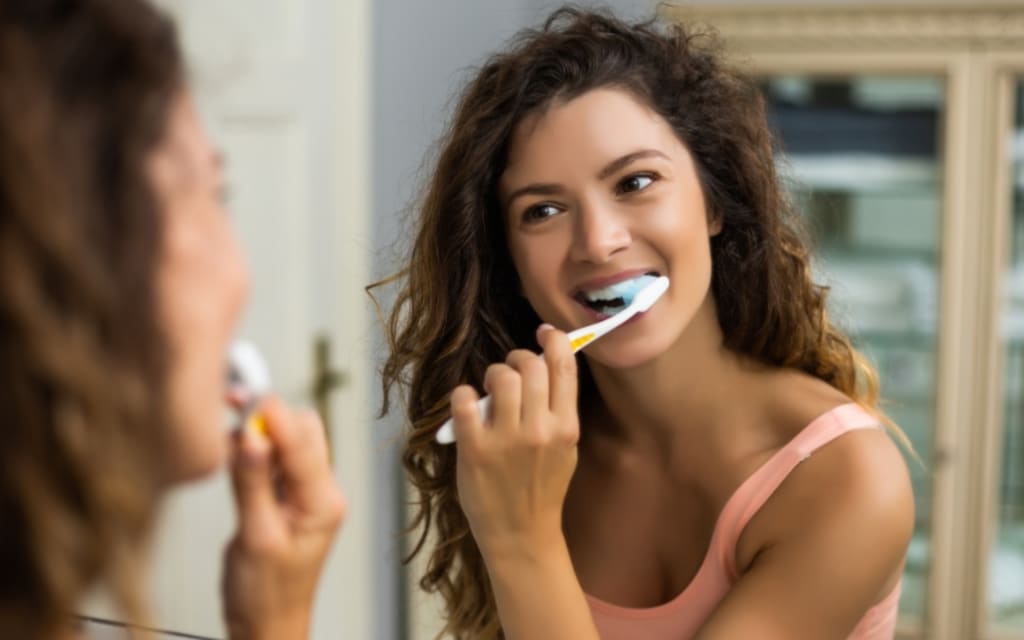
During allergy season, it’s easy to become distracted by your symptoms, but don’t neglect your oral hygiene routine. If you’re dealing with dry mouth, post-nasal drip, or medication side effects, it’s even more crucial to brush and floss regularly. Brushing twice a day with fluoride toothpaste will help remove plaque and food particles that can lead to cavities. Be sure to floss daily to clean between your teeth where a toothbrush may not reach.
You may also want to incorporate an alcohol-free mouthwash into your routine. Alcohol-based mouthwashes can dry out your mouth, exacerbating the issue, while alcohol-free options can help maintain moisture and freshen your breath.
5. Consider Allergy-Free Dental Products
If your allergies cause significant discomfort in your mouth, consider switching to allergy-friendly dental products. Some toothpaste and mouthwashes contain ingredients that can irritate sensitive mouths, so look for products that are specifically formulated for people with allergies or dry mouth. Additionally, you may want to choose toothbrushes with soft bristles to avoid irritating your gums and teeth during brushing.
6. Visit Your Dentist Regularly
Regular dental check-ups are always important, but they become even more crucial during allergy season. A dentist can help identify any issues caused by allergies, such as dry mouth, gum irritation, or enamel erosion, and recommend solutions to protect your oral health.
If you’re concerned about the impact of allergies on your teeth, scheduling an appointment with a dentist near you can provide personalized care and advice. Your dentist can also provide fluoride treatments or recommend other products to help protect your teeth during allergy season.
Allergy season doesn’t have to take a toll on your oral health. By staying hydrated, managing post-nasal drip, watching your medication, and maintaining a strong oral hygiene routine, you can protect your teeth from the effects of allergies. If you're noticing any issues with your oral health or need guidance on how to manage allergies and oral care, contact us for a consultation. We’re here to help you maintain a healthy, beautiful smile, no matter the season!
About the Creator
Justin Dental and Braces
Justin Dental and Braces provides comprehensive dental care for all ages, offering general dentistry, orthodontics, and cosmetic treatments with personalized attention for every family member.
Phone: (940) 242-2022
Keep reading
More stories from Justin Dental and Braces and writers in Journal and other communities.
Brushing and Flossing: Your Child's First Oral Care Guide
Ensuring your child builds good oral hygiene habits early on is one of the best things you can do to support their health. Strong oral care routines from a young age set the foundation for a lifetime of healthier smiles, making it essential to introduce practices like brushing and flossing in fun, manageable ways. With this guide, you’ll understand when to start these routines, how to make them enjoyable, and tips for staying on track. And if you’re searching for a dentist near me to help guide you and your child, you’ll find a supportive partner in their oral care journey.
By Justin Dental and Bracesabout a year ago in Journal
~ Fired ~
— Ai Intrusion ~ Are you Next ~ Is Ai Evolution after your job? — Few workplaces haven't been affected. Ai is in supermarkets, at doctors' offices, and even monitoring farms. I just can't think of anything this machine is not getting into, can you? For instance: Education ~ Law and Tech jobs will one day have a major influence or be taken over by these inanimate machines, with accuracy and vigor. From mechanics' diagnoses to a wide variety of everyday jobs, including fast food workers, with this input having the ability to cut their unnecessary work hours. I'm certain all of us have been touched by this with our short stories and colorful headings, have you? Even comments are very questionable 'Non-Robot' insertions.
By Jay Kantor4 days ago in Journal


Comments
There are no comments for this story
Be the first to respond and start the conversation.